
South Africa and the Western Cape are world-renowned for their exceptional marine diversity. Our coastal and marine life range from unique vegetation and wetlands to great white sharks, African penguins and hundreds of fascinating sea creatures, many of which are found only off our coastline and some of which can be seen at the Two Oceans Aquarium.
June is National Environment Month, with a special focus on World Environment Day on 5 June 2017 and World Oceans Day on 8 June 2017. We’ve put together a glimpse of some of the diverse natural habitats and marine life that we hope to preserve for future generations.
It’s about our livelihood
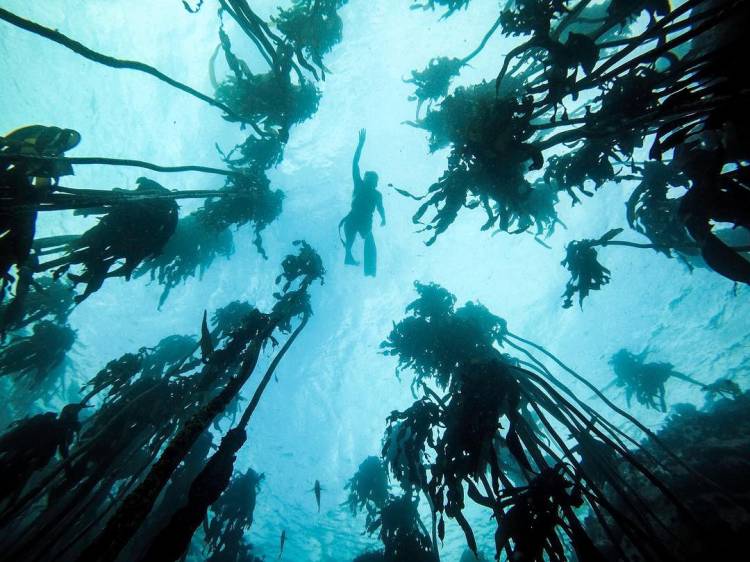
Our oceans are the planet’s life-support system and an integral part of the global economy – from local fishermen hoping for a good catch to marine and eco-tourism, boat and island excursions and recreational activities such as surfing and diving. It makes sense to protect our marine species and to keep our beaches clean.
What you can do: Use the WWF SASSI sustainable seafood guide – and understand the power of your choices!
Part of the chain
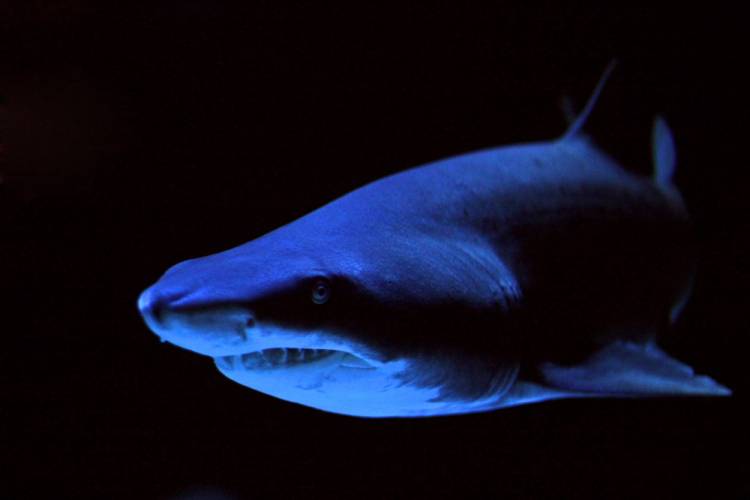
We can only thrive when nature thrives – and this also goes for our oceans’ incredible marine predators. As apex predators, sharks are a vital part of maintaining the equilibrium in the marine food chain.
What you can do: Educate others about sharks and break the stigma surrounding these magnificent creatures. Don’t buy products, for example shark teeth or fins, related to endangered or vulnerable animals.
Our most precious resource
South Africa is already a water-scarce country and climate change is significantly altering rainfall patterns. We need to reconsider our relationship with water and strive to live low-carbon lifestyles and encourage others to do the same. Cape Town, in the grip of the worst drought since 1904, has been declared a disaster area and stringent water restrictions – Level 4 – have been implemented.
What you can do: Save water wherever possible and use less than 100 litres per person per day. Use municipal drinking water only for essential washing, cooking and drinking purposes, and only use indoors.
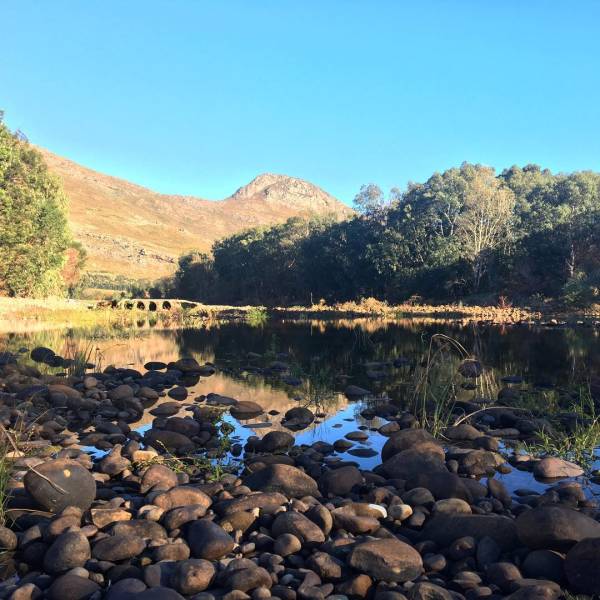
17 June is the United Nations World Day to Combat Desertification, focusing on the importance of working together to restore and rehabilitate degraded land. Be part of the global conversation and help raise awareness.
For the birds
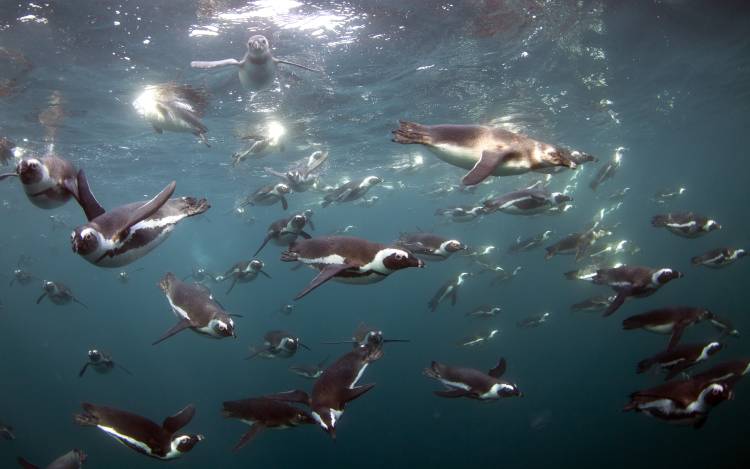
Did you know all 17 of the world’s penguin species are found in the southern hemisphere? We are fortunate to have the African penguin on our coastline – but unless we take steps to ensure its continued survival, this endangered bird may not be around for future generations to see.
World Environment Day is all about celebrating and protecting our diverse ecosystems. Let’s be #WithNature.
What you can do: Make a Penguin Promise today – a small change to your lifestyle can have a positive impact on the African penguin, and on the planet.
Wetlands for tomorrow

Wetlands are ecologically sensitive natural habitats that are home to a variety of wildlife. Sadly, 50% of these distinct environmental areas have been destroyed globally. Without suitable wetland habitat, many species could soon disappear. Wetlands protect our most important natural resource – water! They provide important services such as filtering and cleaning runoff from cities and help to control flooding.
What you can do: Help protect them by recycling and using biodegradable and eco-friendly products in your home and organic products in your garden.
No to plastic
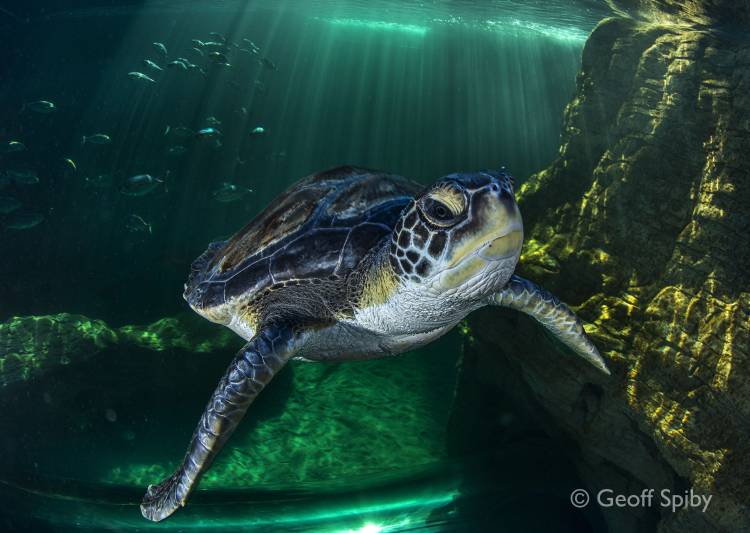
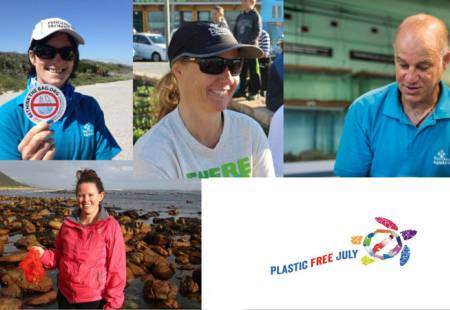
Respect, refuse, reduce, reuse, recycle and rot – in that order – to minimise your waste footprint. Six of the seven sea turtle species are listed as critically endangered or vulnerable on the International Union for Conservation of Nature’s Red List of Threatened Species.
What you can do: Help save them, and the myriad of other species threatened by marine plastics, by preventing plastic waste from entering the oceans. Say no to single-use disposable plastic items such as plastic shopping bags, straws and takeaway cups and cutlery.
Ancient creatures
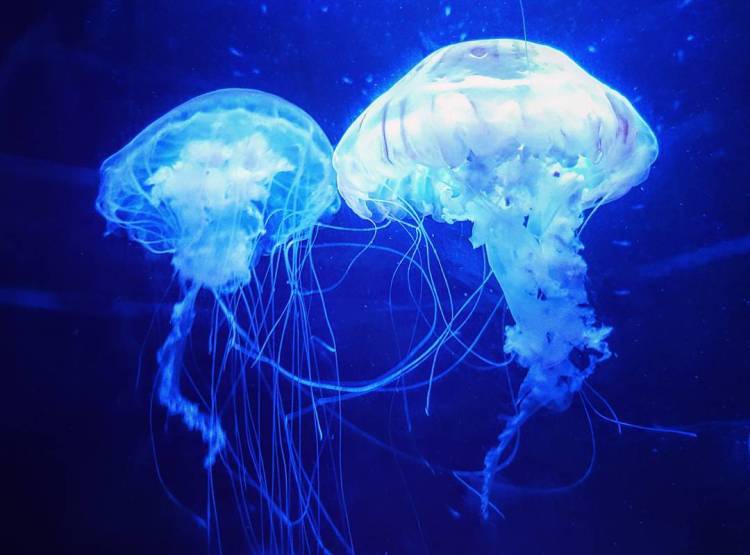
Get inspired by marine life! Jellies (we don’t call them jellyfish anymore, as they aren’t really fish!) are a biological wonder and they’ve been around for more than 500-million years. In the midst of global warming, these fantastic marine creatures are adapting swiftly to their changing environment.
What you can do: Learn more at the Two Oceans Aquarium Jelly Gallery.
Natural wonders
Technological advances in deep-sea exploration over the last decades have helped us discover more about our oceans and the wonderful creatures that live in them. There’s a long way to go, as 95% of the ocean floor remains unexplored, but our seas remain a source of joy and wonder. Let’s work #WithNature.
Do your part this National Environment Month and share your pictures with us, using the hashtag #WithNature. Follow us on Facebook, Twitter and Instagram for more marine-related facts and fun!