
Renée Leeuwner is the Communications and Media Executive for the Two Oceans Aquarium.
Dear people of Cape Town and surrounds. In case you haven’t heard – we are in the midst of a very serious water crisis, with 2016 being the lowest rainfall year ever recorded for our country. On Friday 3 March 2017, a local disaster was declared. Yet, we are still using water like there is more than enough to keep us going.
Without water there is no life. It is as simple as that. The City of Cape Town has lowered the daily usage target from 800 million litres, to 700 million litres. So, even if you are already saving, you need to take a step back and further investigate how you can reduce your water consumption and up your water-saving efforts. Our dam levels are currently at 31,5% and 10% of this water not available for use. That leaves us with a measly 21,5%. Scary indeed!
Stay on top of the latest dam-level readings by visiting the City of Cape Town's website here.
Washing machine woes
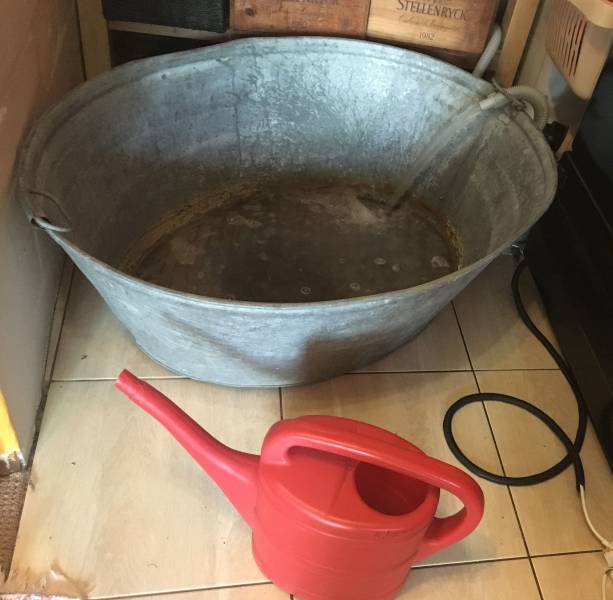
In my previous water-saving blog post I told you what I have been doing to save water. After writing that post, I decided to tackle the problem of my washing machine water going to waste. Logistically, this has been a problem for me and I needed to find a way of using the wastewater without flooding my kitchen. So, one evening, very confident that my machine does not use all that much water, I ran all the water into a big steel tub (which I found at our complex’s waste area – recycling at its best!) My eager anticipation quickly turned into dismal despair as I watched the tub fill up. I was absolutely mortified at the amount of water running out of the washing machine.
The “Quick Low” wash cycle used 130 litres of water! This prompted me to further investigate the water use of my trusty (older) machine. The “Quick Medium” wash cycle uses 140 litres and the “Quick High” wash cycle 160 litres. In one weekend I watered my garden with 430 litres of washing-machine water (and ended up having to do a lot of ironing!) And so, the steel tub and the watering can now make their way into my tiny kitchen every time I do the washing.
For the sake of my poor, blessed back, I will pretty soon have to get a pipe to run the water out of my front door and directly into my garden. I have checked with the manufacturers and according to them, their newer models use a fraction of the water of older models, like mine. And bear in mind that front loaders use less water than top loaders.
What are other people doing to save water?
I again asked some of my colleagues to tell me how they save water, and I also turned to Two Oceans Aquarium members. Here is what they had to say:
Zolani Mahola (Lead singer of Freshlyground and member of the Two Oceans Aquarium)
"We have a green bucket that we use for flushing the toilet after baths and we try to use the bathwater for the whole family. We try to be sparing about laundry, but there is still room for improvement in that department!"
Juanine and Angelo (Two Oceans Aquarium members)
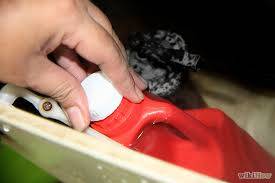
“We have reduced water usage at home by cutting showering time down to seven minutes! We keep bath water for the pot plants and Angelo's big brothers (Mike and Dave) fetch drinking water from a local stream in a huge container. They use this water for cooking as well. I know we can do more to save water, but we are still looking for ideas. We have just had to replace the toilets, where we still want to fit containers into the cistern to save more water there. And obviously we haven't washed the car in ages! We've stopped and moaned at people who use their hosepipes – but this has not been too successful.”
Xavier Zylstra (Two Oceans Aquarium Environmental Education Centre Senior Teacher)
“In order to prevent sunburn to the top of my head, I wear a special sun-proof skull cap under my cycling helmet (the ventilation holes in it allow lots of sun through). While training for the Cape Town Cycle Tour, I have increased my training rides to three times a week, and need to wash the cap frequently. For this purpose, I have a small bucket of water and detergent (environmentally friendly) and reuse that for the three washes the cap needs per week. I rinse out the detergent in my post-ride shower. At the end of the week, the water in the bucket is added to waste water going to the garden. Fortunately I have enough cycling gear to last for three rides and wash all of that with the weekly load in the washing machine.”
Paul van Nimwegen (Two Oceans Aquarium Senior Aquarist)
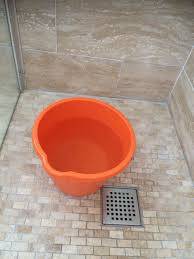
“At home we have made a concerted effort to recycle grey water. We use a bucket in the shower to catch excess water, which would normally just go to waste. We have drastically reduced the amount of water we use to bath our daughter, and also recycle this. All our grey water is collected and used to water our potted plants and shrubs. It makes so much more sense to use grey water for irrigation, rather than wasting valuable drinking water, further depleting our dwindling supply.”
Kevin Spiby (Two Oceans Aquarium Senior Aquarist)
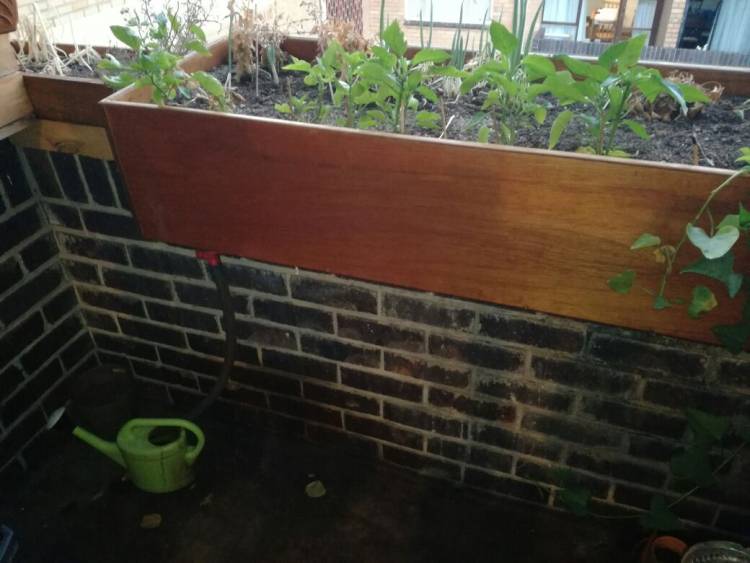
“We shower with a bucket and use this to water our ‘garden’. Also, my large planter box has a drain pipe that fills up a watering can, so excess water can be reused in the garden at a later stage.”
Deen Hill (Two Oceans Aquarium Collections Officer)
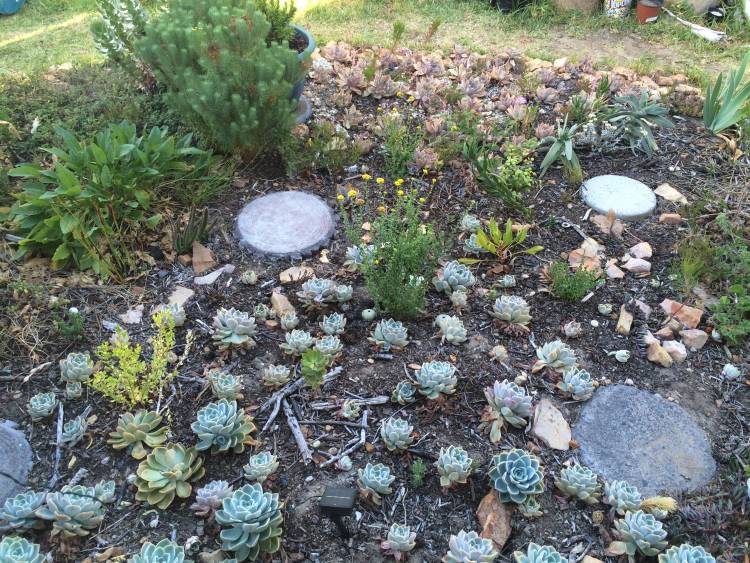
“You can save water by planting a combination of succulents and aloes as most of these plants can survive a whole Cape Town summer without any supplementary water while still adding interest and colour. It's also really important to plant indigenous fynbos species as they are totally adapted to our climate, which consists of wet winters and dry summers, and provide you with some of the most unique and interesting flowers. Most of my fynbos plants were planted just before the winter rains and were therefore able to settle nicely. I now only need to water these plants every one to two weeks (sometimes even three) when our current water restrictions allow.”
Saving water can be as easy or as difficult as what you want it to be. Put a bucket in your shower and reuse that water to flush the toilet, or harvest some rainwater. Hhave a look here for mistakes to avoid when harvesting rainwater:
It doesn’t matter how fancy or simple your water saving efforts are. What matters is that you are saving and reducing your water use. If you are not doing any of this yet, when are you going to start?