
The Marine Stewardship Council (MSC) and WWF Southern African Sustainable Seafood Initiative (WWF SASSI) hosted South Africa’s 6th Annual Sustainable Seafood Symposium on Wednesday 14 March 2018 in Cape Town. There were 80 people in attendance including representatives from across the seafood supply chain, members of government, academic institutions and media.
The Two Oceans Aquarium’s CEO, Michael Farquhar, Head of Education, Russell Stevens and Communications & Sustainability Manager, Helen Lockhart attended the Symposium - sustainable seafood is one of the Aquarium’s key sustainability focus areas.
The three key themes of this year’s symposium were transparency, traceability and collaboration.
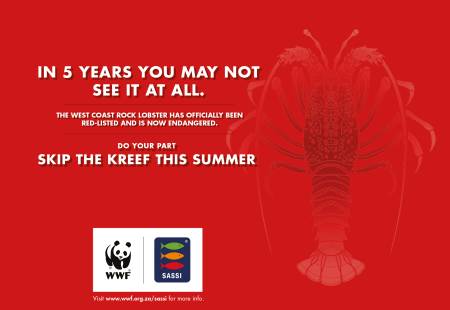
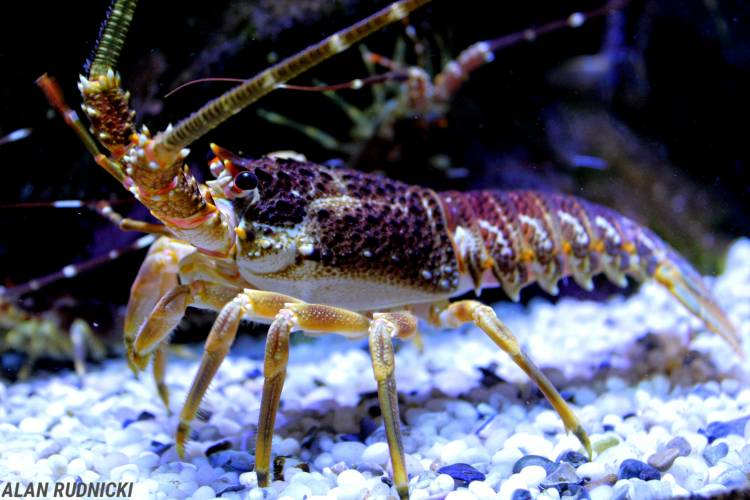
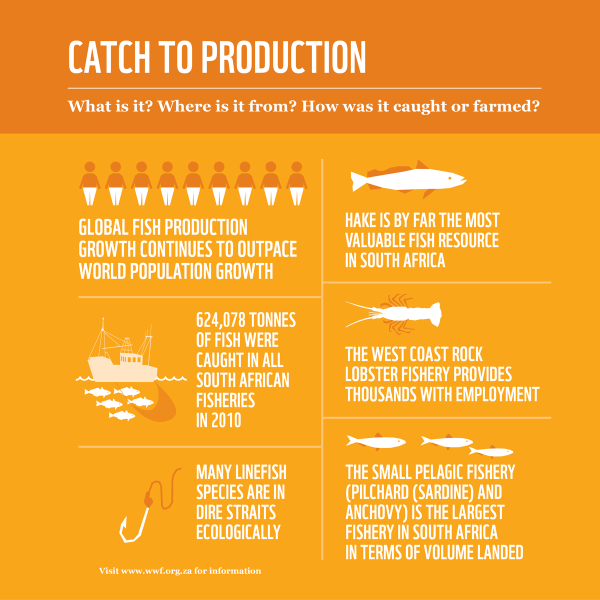
Chris Kastern, WWF-SA’s Seafood Market Transformation Manager, kicking off the symposium, spoke about the pressing need for greater transparency and traceability in the seafood supply chain. Illegal, unregulated and unreported fishing accounts for up to a third of global, a value of $23 billion – about 17% of global trade. A local example of this is the West Coast rock lobster - the legal catch is 929 tonnes lower than what is being exported annually. He ended his talk by giving an example of how a tuna fishery has successfully incorporated blockchain technology to track fish from the vessel to the supermarket, and called on the South African seafood industry to participate in this global discussion.
Michael Marriott, MSC Southern Africa Manager, gave an overview of the greater MSC strategy for 2020 - to increase the proportion of global marine catch that is certified by the MSC and engaged in its programme from the current 14% to 20%. He also introduced the Fish for Good project, running from April 2017 to April 2021 - providing a framework that uses the MSC Fishery Standard to engage communities in fishing zones to promote environmental and social improvements. The first stage aims to map 15 fisheries in South Africa and set up an Advisory Group to help guide the Project. In the next stage, nine of the 15 fisheries will undergo pre-assessment against the MSC standard. In the final stage, five of these nine fisheries will be selected for fishery improvement projects.
Delegates were then divided into three discussion groups, focusing on the following topics with a subset of questions to guide their discussions. Michael Farquhar joined the first group while Russell Stevens and Helen Lockhart participated in the third group’s discussion.
Group 1: Managing South Africa’s seafood resources
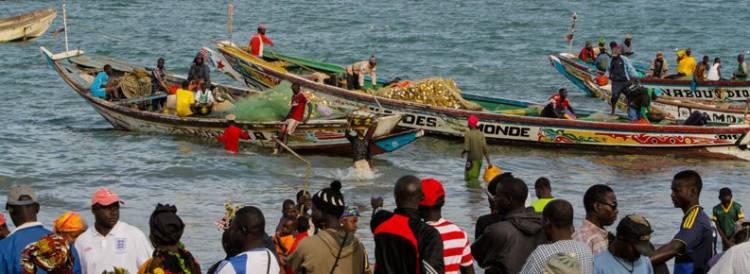
This group looked at South Africa’s biggest fisheries management challenges, the measures that can be implemented to address the most important issues and how supply chain companies can engage to ensure that these measures are implemented. The top three management challenges were noted as being capacity, small-scale fisheries market access and balancing sustainable development in terms of its three pillars - social, economic and ecological development.
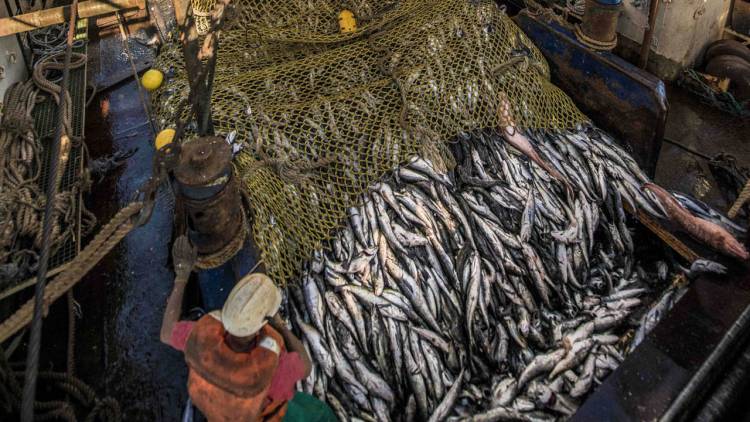
A suggested potential solution for providing market access to small-scale fisheries was to create a formalised fish market (physical and virtual), or have retailers and restaurants source from local fisheries with a “catch of the day” concept. The “sustainable retailer forum” was also highlighted as a means to increase collaboration in order to present ideas with the support from all members.
Group 2: Improving competitiveness in markets
The aim of this group was to look at market regulations (local and global) and their effect on import and export of seafood products, evidence of sustainable fishing and supply chain transparency being beneficial for commerce and communities, and how the supply chain can collaboratively drive sustainable fishing as a means to improve market access for local fisheries.
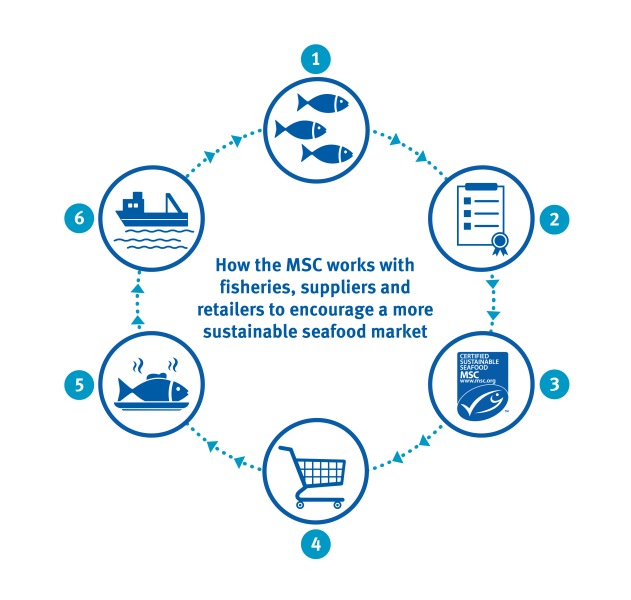
Transparency and traceability came out as key building blocks that ultimately protect communities’ social and economic interests. Challenges highlighted included clarity on what transparency and traceability mean, and capacity of industry to comply with regulations and enforcement of market regulations.
There were many opportunities mentioned for collaborative action. One of these mirrored a solution from Group 1 of a forum as a mechanism for further engagement. Others included communicating end-buyer commitments to traceability and transparency, taking advantage of large-scale industry willingness to collaborate, and empowering compliance.
Group 3: Influencing consumer behaviour
This group looked at what consumer actions would catalyse a market shifting to be more sustainable, how the supply chain can influence consumer behaviour towards purchasing sustainable seafood and if it is possible for the South African seafood supply chain to present a unified message to consumers – and what that message could be. Framing the issue using a “bigger picture concept” and how a person’s choices affect their future on the earth was a suggestion, with the importance of social media highlighted as a powerful communication tool.

Currently, a company’s brand is the distinguishing factor and sustainability should be used to enhance this. The companies at the consumer interface could remove unsustainable options from their procurement and advise against red-listed seafood. More emotion needs to be used in messaging around seafood sustainability, appealing to children and the millennial market. Messaging around sustainability needs to be aligned so that companies are no longer working in isolation. The Sustainable Seafood Coalition in the UK was given as a good example of companies working together to develop consistency on labelling and sourcing within the seafood supply chain.
One of the topics raised by the group was the confusing ‘dolphin-friendly’ labelling seen on canned tuna (we brought this issue to light on our blog). This is a key example of just how important labelling is and raises questions around what labels should look like, how language should be used, and how important it is that the associated messages are convenient and easy to understand. The discussion then led to the question as to whether a unified message or label applied across all sustainably sourced/produced/farmed/manufactured products would be helpful for consumers to shift from awareness to action.

Besides the Aquarium, other participants in Group 3 included representatives from SPAR, Ocean Basket, Massmart, the Spur Corporation, I&J, and Shoprite Checkers. One of the most important points raised by one of the delegates was “Who is not in the room – who are we not talking to?” This is a critical consideration as so often it is a case of “preaching to the converted by the converted”. Input is required from those on the outside so to speak who will provide an entirely different perspective and insights into the messaging and actions which could lead to meaningful and sustained change.
_750_500_70.jpg)
Another point of consideration was that emotional campaigning aimed at eliciting a fear response in people may work in the short-term, but people quickly experience campaign fatigue. Positive messaging which shares the good news stories may have a longer impact – people need to feel hopeful that their positive behaviour is indeed making a difference. According to Ocean Optimism, “The evidence suggests that if we do not balance the bad news with good, and the problems with solutions, we will not motivate people to act”.
In closing
Theressa Frantz, WWF-SA’s Head of Environmental Programmes, closed the Symposium by speaking first as a conservationist and then as a consumer while looking at the future. As a conservationist she noted impacts that socio-economic development efforts have on the affected communities, using examples both internationally and locally.
Internationally, parts of the Amazon Rainforest were cleared for socio-economic development of communities, but those communities claimed to not be benefitting from this action. Locally, mining rights were granted in the Mabola Protected Environment using social-economic benefits as a reason, but those communities are unlikely to benefit. These developments ultimately have an impact on the environment now and in the future. As a consumer, she grew up eating abalone, but her children have never tried it due to the continued overexploitation of the resource. She highlighted the fact that government, retailers and consumers all have a role to play in the future of our resources.
She challenged attendees to think about the following:
How can you spearhead the actions that were shared today? What is your role as a consumer?
_450_310_70_s_c1_c_t.jpg)