
Eating sustainable seafood means keeping SASSI red-listed fish off your plate. This National Marine Week, we challenge you to recognise endangered species so that you may give your support to restaurants, fishermen and vendors who supply only sustainable SASSI green-listed species.
At the Two Oceans Aquarium, we have many of these SASSI red-listed species on display (and there is always the handy SASSI App that can jog your memory if needed).
Quick tip: Look out for the Marine Stewardship Council's "blue label" when you're at the shops and looking to buy seafood. If you see this on the packaging, you can be assured that the fish you're buying has been sustainably sourced.
Seventy-four - RED
The seventy-four (Polysteganus undulosus) was once the most commonly eaten fish in KwaZulu-Natal, but due to overfishing in the early 1900s, the seventy-four is now Critically Endangered, the most severe rating on the IUCN Red List.

Red steenbras - RED
The red steenbras (Petrus rupestris) is a species endemic to the South African coast and is highly valued as a game fish. Due to severe overfishing, its population is down to only 5% of its original numbers and without proper intervention soon, extinction is a great possibility.
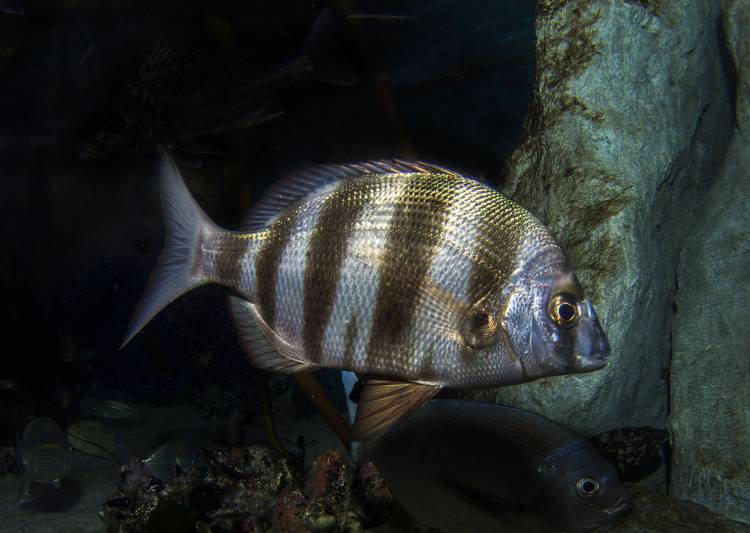
Zebra - RED
Zebra (Diplodus curvinus hottentotus) is at risk due to its small range on South Africa's southern coasts. This has led to it being a no-sale species in South Africa.
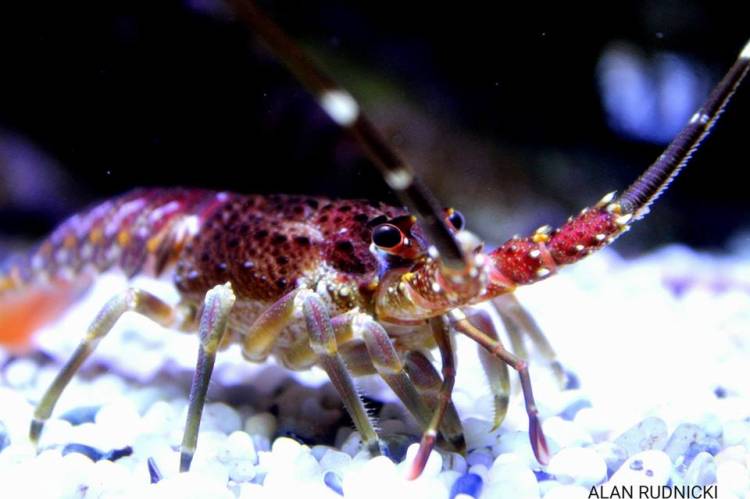
West Coast rock lobster - RED
Through overexploitation, the West Coast rock lobster (Jasus lalandii), or kreef/crayfish as you probably know it, has been depleted to just 2% of their original numbers. Please say "no" to kreef.
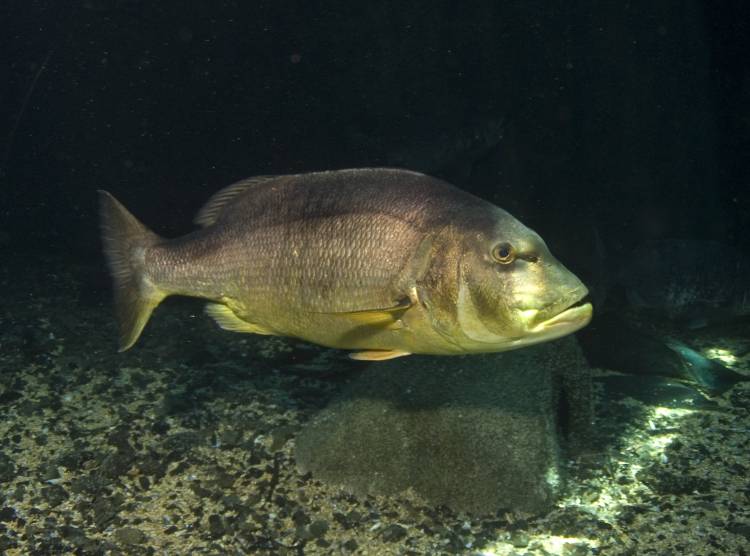
Black musselcracker - RED
The black musselcracker (Cymatoceps nasutus), sometimes called a poenskop, is the old man of the sea. It uses a set of powerful jaws to hunt and crush mussels, sea stars, urchins and crabs. Black musselcrackers are facing extinction due to overfishing - line fishermen who target only large males have led to skewed sex ratios in the species, and decreased overall size. The musselcracker is on SASSI’s red list – don’t buy!
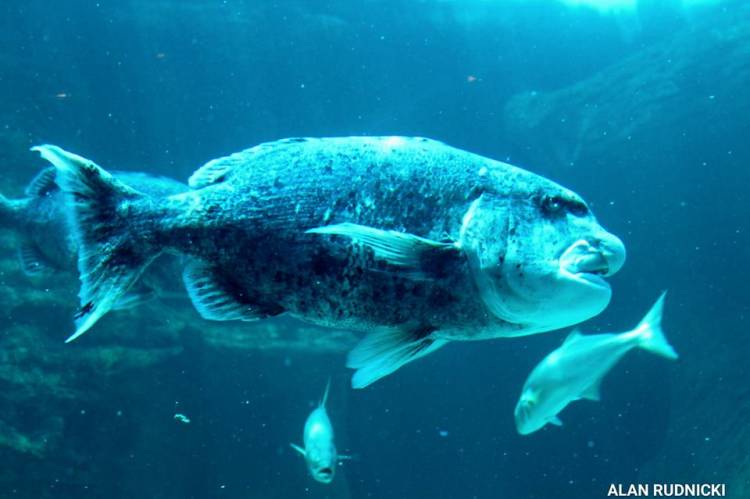
Baardman - RED
The baardman (Umbrina sp.) is sometimes known locally as belman kabeljou. It is illegal to sell in South Africa, and due to overfishing its numbers have dropped drastically.
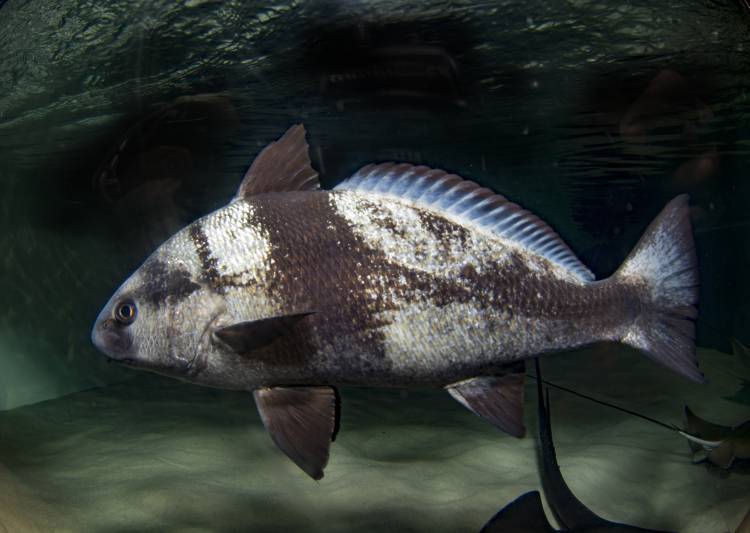
Galjoen - RED
Our national fish, the galjoen (Dichistius capensis) or the damba, is a no-sale species in South Africa - it is illegal to buy or sell this fish. The galjoen depends on "home areas” which puts it at severe risk of overexploitation if fisheries were allowed.

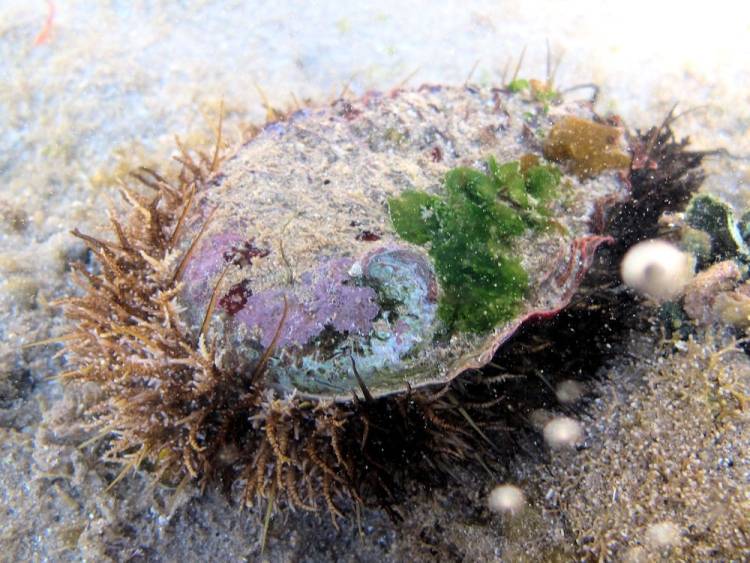
Abalone - RED (Unless it's farmed)
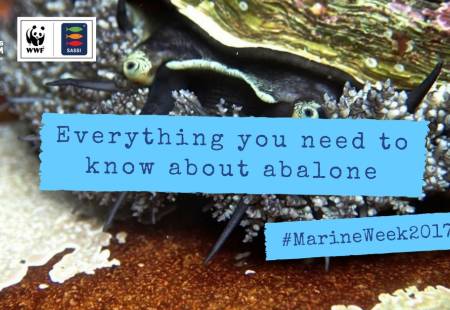
Midas ear abalone (Haliotis midae) - perhaps more commonly known as perlemoen or klipkous - is dwindling in numbers due to prolific poaching and poor management of fisheries, where these slow-growing animals do not get a chance to reproduce. They are far from simple snails - they have some incredible hidden talents.
Giant kob - RED
The giant kob (Argyrosomus japonicus) - sometimes called a dusky or a boer-kabeljou - is victim to severe overfishing, and destruction of its estuarine spawning grounds. Numbers have been depleted to as little as 1% of their original stock, and for that reason they are on the SASSI red list.
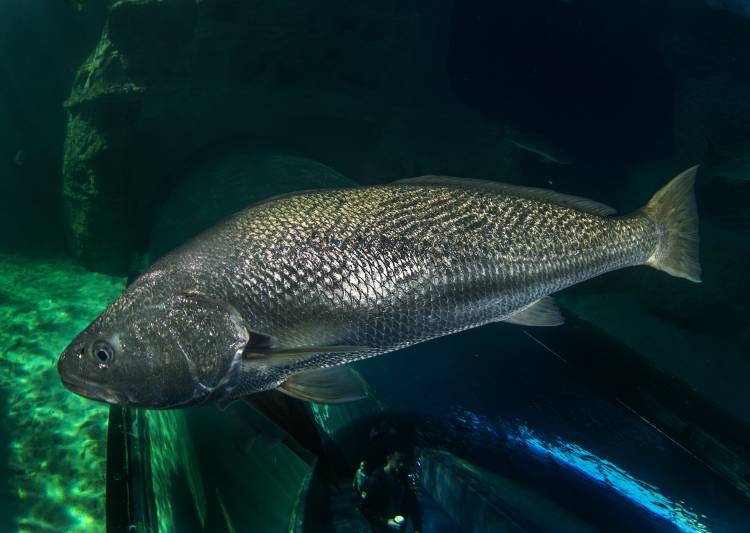
Spotted grunter - RED
Spotter grunters (Pomadasys commersonnii) reside in estuaries on the South African coast, making them susceptible to overfishing. For this reason it is illegal to buy or sell them. They are also affectionately known as tiger, knorhaan, inkolokolo and spotty.
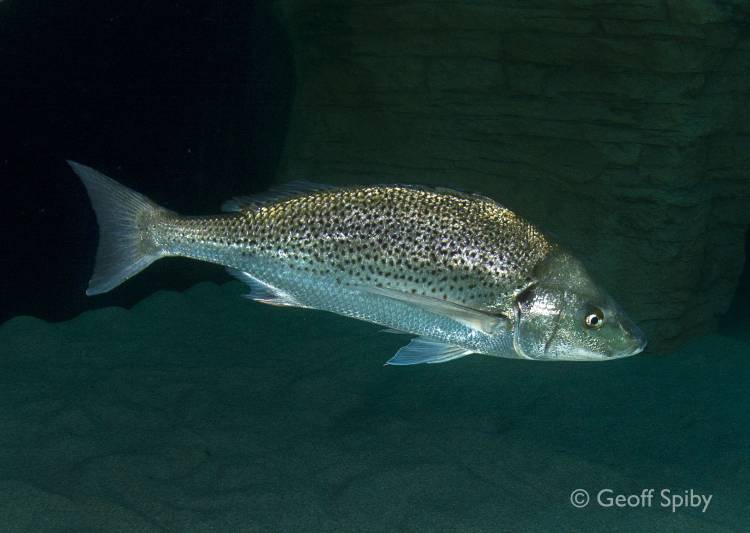
Cape stumpnose - RED
Cape stumpnose (Rhabdosargus holubi) are a fairly common species, but as juveniles they are dependent on estuaries; degradation of esturaries has put them at risk. They are a no-sale species in South Africa.

Brindle bass - RED
The brindle bass (Epinephelus lanceolatus) is fully protected in South Africa - meaning it is illegal to catch or sell them. Overfishing by recreational fishermen prior to 1992 has devastated its numbers. It is also known as a briekwabaars.
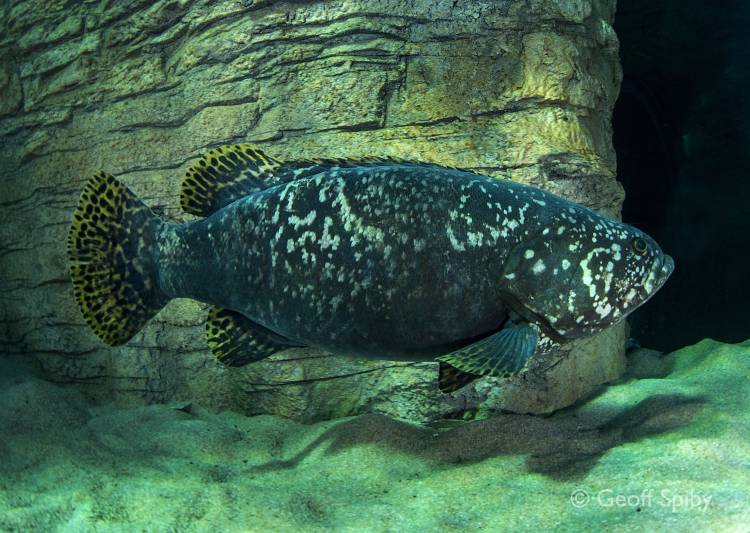
White kingfish - RED
The white kingfish (Pseudocaranx dentex), and it's close relatives called trevally, are a no-sale species in South Africa - it is illegal to buy or sell them.
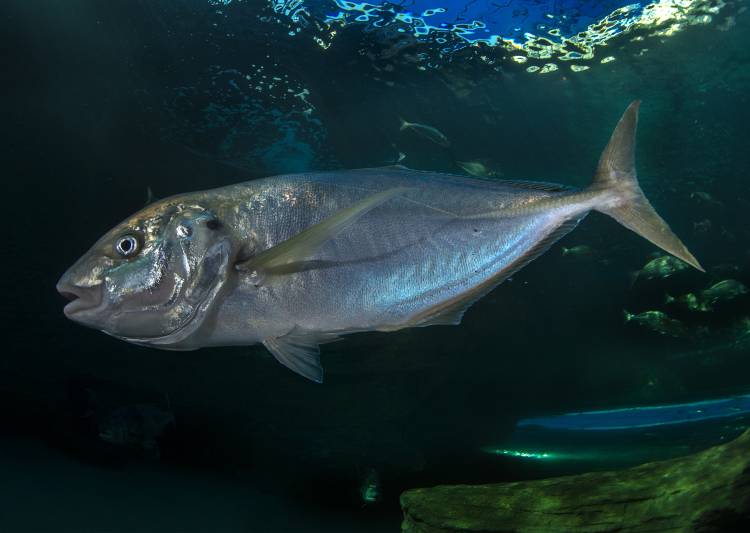
Jacopever - RED
The jacopever (Helicolenus dactylopterus) or "Jack" is not actually at risk - but it is caught as bycatch of trawling techniques that damage the sea floor and endanger a multitude of other species. By consumers not buying jacopever and therefore not creating a demand for the species, fisheries are not rewarded for using indiscriminate, damaging techniques.
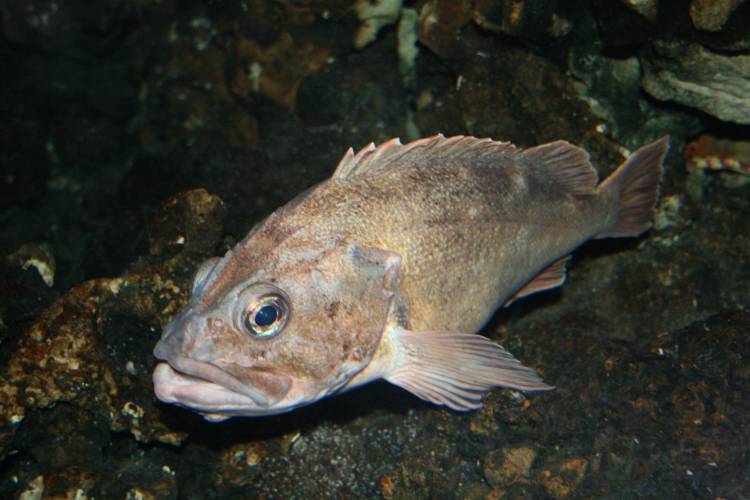
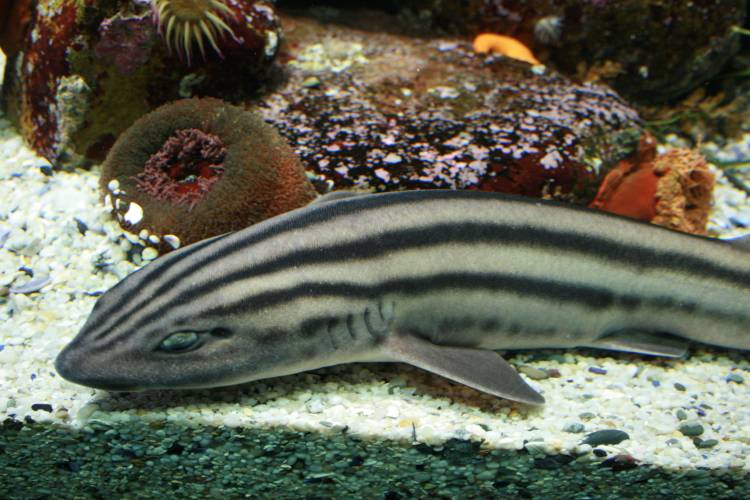
Pyjama catshark - RED
The pyjama catchark (Poroderma africanum) is a small, harmless bottom-dwelling shark species. Pyjama sharks are listed as "Near Threatened" by the IUCN and is illegal to buy or sell in South Africa.
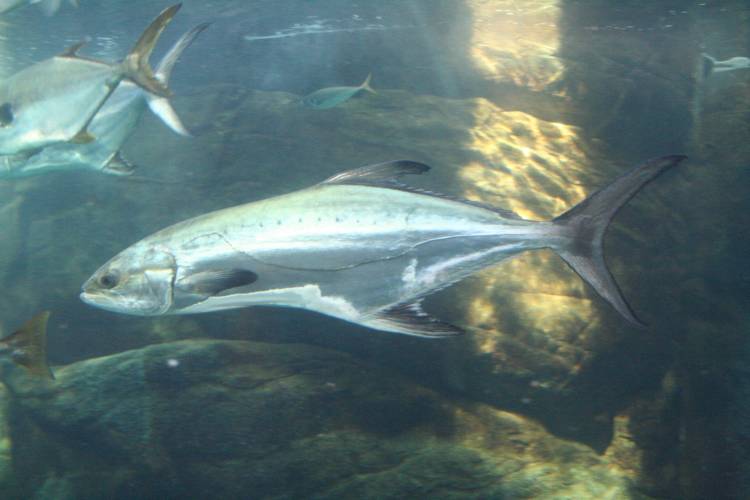
Garrick - RED
It is illegal to trade garrick (Lichia amia), or leervis or leerie as it is locally known. This is a migratory species, ranging from the Cape to the Mediterranean Sea and is overfished across much of its range.
Despite this list, you can still enjoy plenty of sustainable, SASSI green-listed fish species - yellowtail, hottentot, kingklip, snoek, angelfish, black mussels and many other sustainable options.
Purchasing green-listed species not only protects threatened animals, but it incentivises fisheries, restaurants and distributors to support sustainable practices - so download the SASSI App today and #ChooseGreen.