
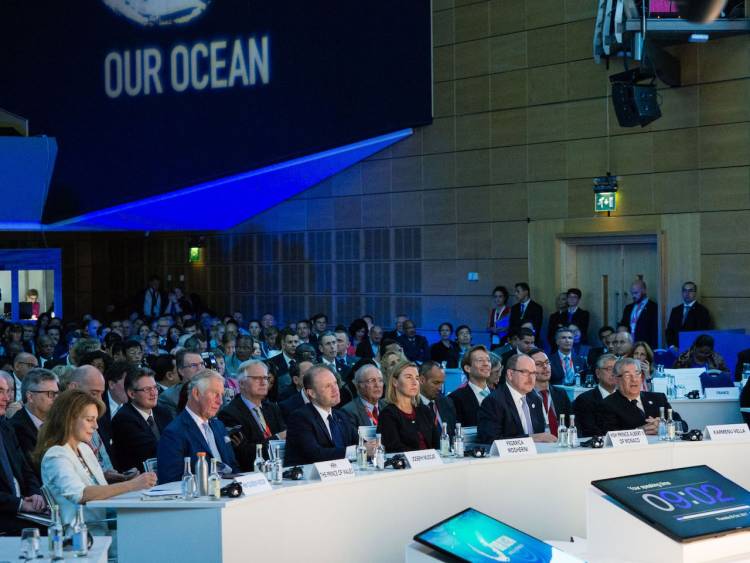
On 5 and 6 October 2017, delegates from 112 countries converged in Malta for the 2017 Our Ocean Conference with a singular goal - to discuss what we can do to ensure the survival of our ocean for the future wellbeing of the planet, and ourselves. This was the single largest gathering in history dedicated to the preservation of our ocean, its life and its resources. The impact of this conference affects us all - so we thought we'd share the highlights.
437 actionable commitments
The Our Ocean Conference was not simply about sharing information - it was about making commitments, and bringing those actions to life on the global stage. 437 such commitments were made - by 112 countries, 100 corporations and 87 NPOs - more than all past conferences combined.
The map below shows just how widespread the global collaborations to protect our ocean are:
More than R115 billion pledged to ocean health
Together, more than 7,2 billion Euros (over R115 billion) was committed to ensuring the sustainable use of our seas. The European Union alone committed over 550 million Euros to target 36 specific actions.
Counting the contributions made at the previous three Our Ocean conferences, almost 20 billion Euros has now been committed to our ocean's protection.
Ocean conservation goes to space
The European Commission and European Space Agency reiterated their commitment to support global marine security and environmental monitoring using their state-of-the-art Galileo and Copernicus programmes. Copernicus is by far the largest Earth observation tool available, capable of imaging the entire planet (including ocean and atmosphere data) every five days.
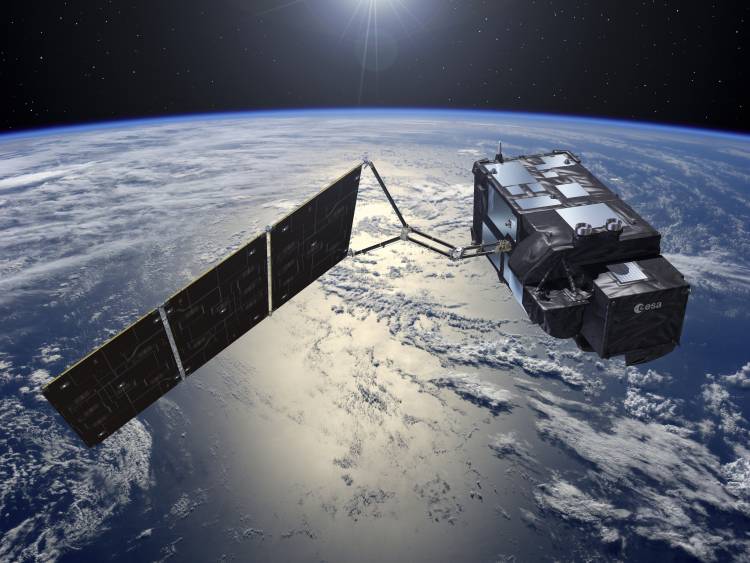
Airbus Defence & Space, which constructed the Sentinel satellites of the Copernicus programme, has committed to launching its own constellation of ocean monitoring satellites from 2020.
Massive new Marine Protected Areas (MPAs)
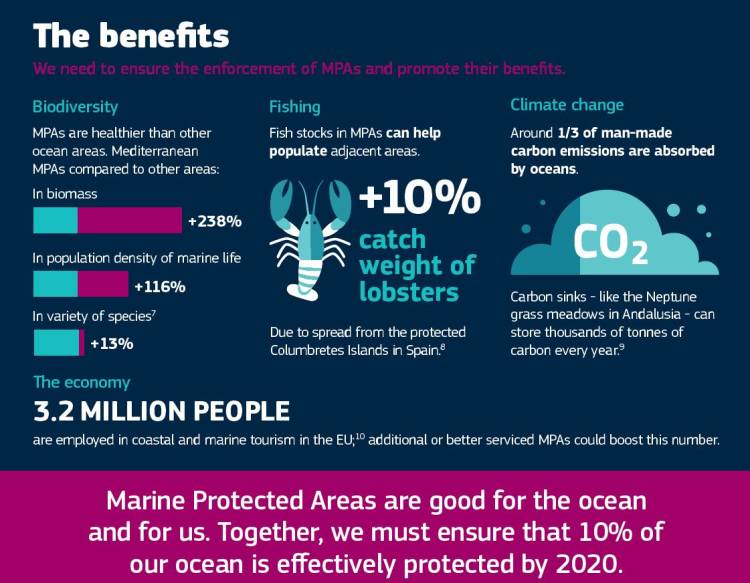
Presently, less than 5% of the world's ocean is protected by law - but the UN's goal is to reach 10% by 2020.
The European Union has committed to creating the world's largest MPA - over half the size of the EU itself (more than 2,5 million km2).
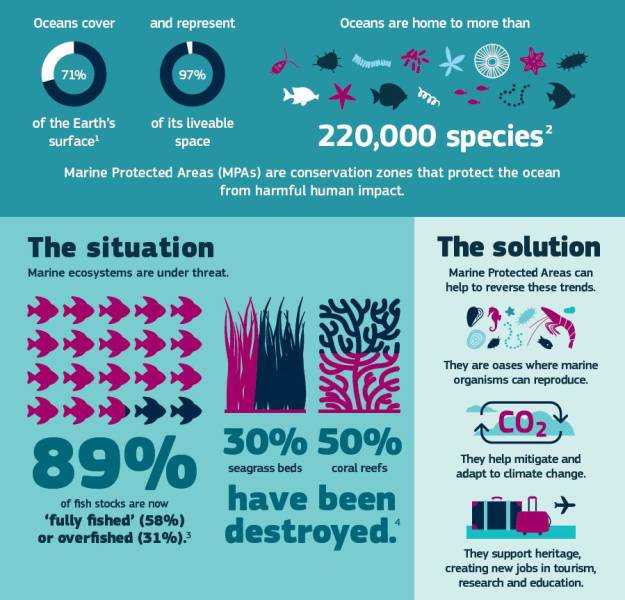
The tiny island nation on Niue (home to just 1 600 people) offered 40% of its territorial waters. Chile announced a new 620 000 km2 MPA, meaning they now protect over half of their waters.
More than 27 endangered or threatened species live in the waters around Easter Island. Now they'll be protected. #OurOcean #IsladePascua pic.twitter.com/lGMX3owS7n
— Pew EU (@Pew_EU) October 5, 2017
Numerous other MPAs were announced - Cook Islands, Indonesia, Mexico and Palau have all commited to the establishment of new protected areas.
The war on plastic waste is stepped up
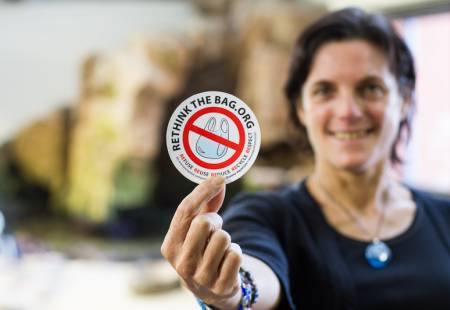
International broadcast agency SKY has committed to cutting 100% of its single-use plastics by 2020, prioritising its ocean conservation message and increasing funding to its Ocean Rescue campaign. Unilever, Marks & Spencer, PepsiCo, MARS, Coca-Cola and Werner & Mertz pledged to use 100% reusable, recyclable or biodegradable packaging by 2025.
Unilever pledged to create an industry-wide framework to ensure that single-use plastics are properly returned, collected and recycled. The Dow Chemical Company has commited to funding research into ways to recover oceanic plastic, and ways to use non-recyclable plastic to build roads.
France, New Zealand, the United Kingdom, Malta and China have all commited to the banning of various harmful plastic products, most notably microbeads, over the next few years. The United States has committed millions of dollars to the establishment of recycling infrastructure and education programmes in Southeast Asia, where much of the ocean's plastic pollution originates.
Commitments to cut heavy fuel use
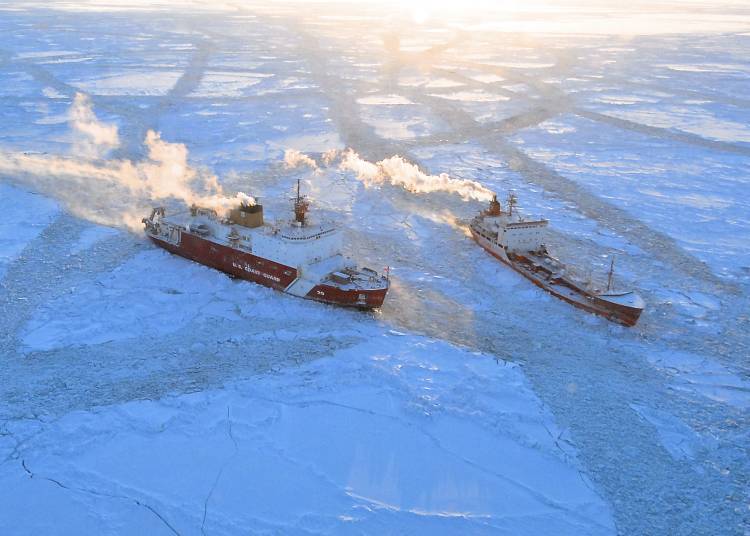
The Our Ocean Arctic Commitment, spearheaded by the Clean Arctic Alliance, brought together over 50 NGOs, shipping companies and indigenous groups to call for a ban on the use of heavy fuel oil on ships in the Arctic.
MAN Diesel & Turbo, one of the largest manufacturers of ship engines, has worked with the EU HELIOS project to develop cleaner, cheaper alternative engines. New ships are already being built with these new liquid natural gas engines, but MAN has taken this a step further and is offering millions of Euros in discounts for old ships to be retrofitted with this new technology.
Artificial intelligence joins the fight against illegal fisheries
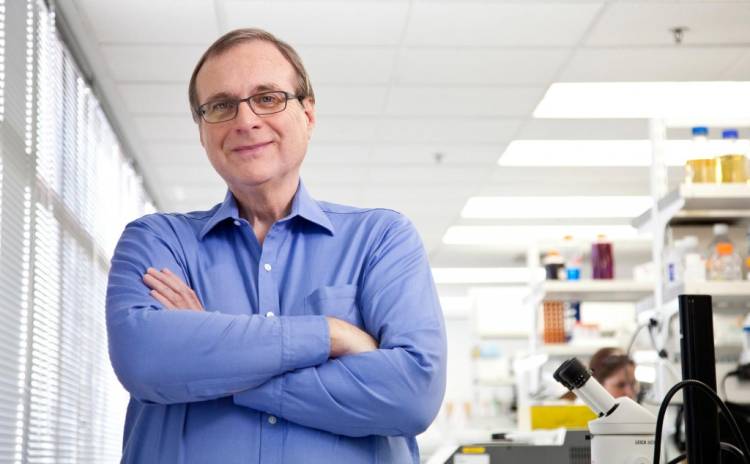
Microsoft's co-founder, Paul Allen, announced a $40 million project called SkyLight to combat illegal fishing. Skylight is an artificial intelligence capable of examining satellite images, port records and inspection data from dock officials, then comparing this data and identifying ships that are likely engaged in illegal fishing.
Over time, machine learning will make SkyLight more accurate, and hopefully bring an end to large-scale poaching. This system is currently being tested in Gabon and Palau and is expected to be launched globally next year.
New ocean-friendly products
The conference was also a chance for revolutionary new products and technologies to be revealed. The hightlights were, of course, the winners of the New Plastics Economy Innovation Prize for Circular Design:
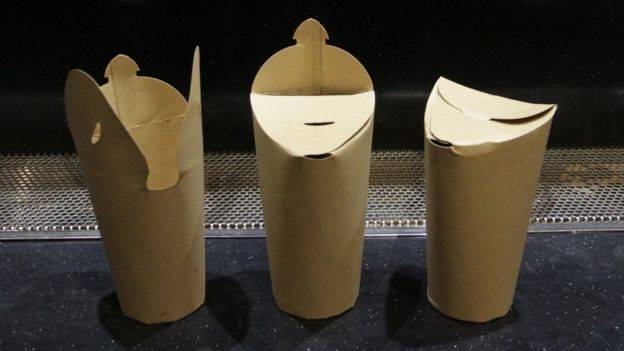
TrioCup - This is a disposable one-piece paper cup design that eliminates the need for plastic cup lids, because the way it folds creatively integrates a lid and drinking hole.
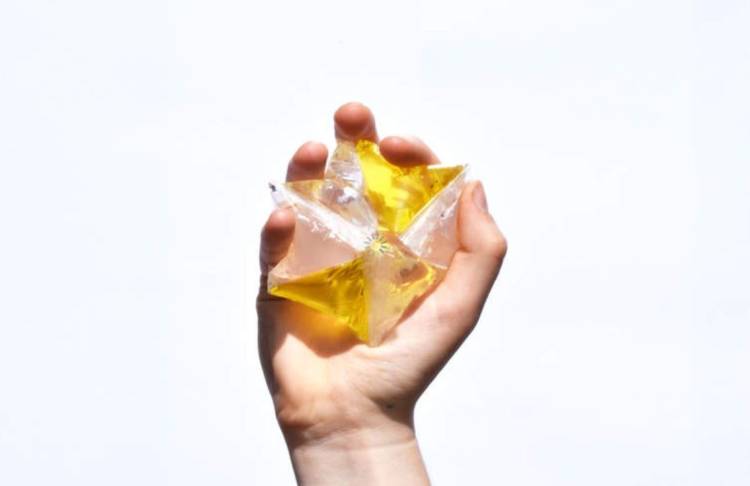
Delta - Disposable condiment containers are a thing of the past, Delta's seaweed-based sachets allow condiments to be served in 100% biodegradeable containers (that are also 100% edible).
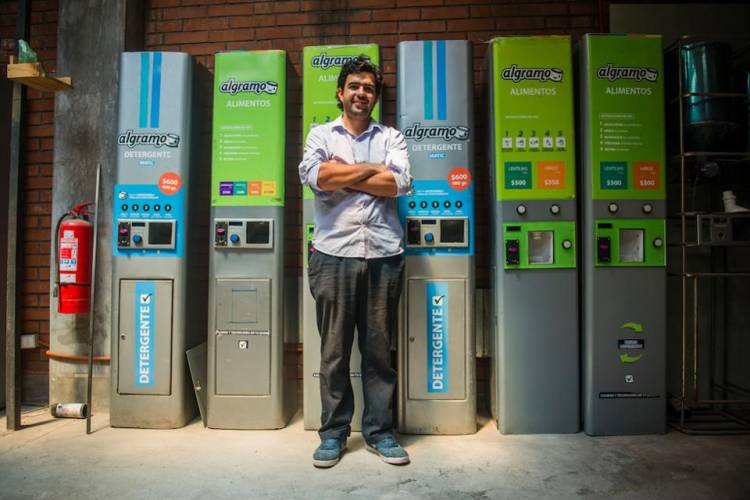
Algramo - Using innovative technology, Algramo has developed dispenser systems where Chilean shoppers can buy exact quantities of liquids and other products without any packaging. Just want 500ml milk for a few cups of coffee? The Algramo machine will dispense it into a reusable container of your choice.
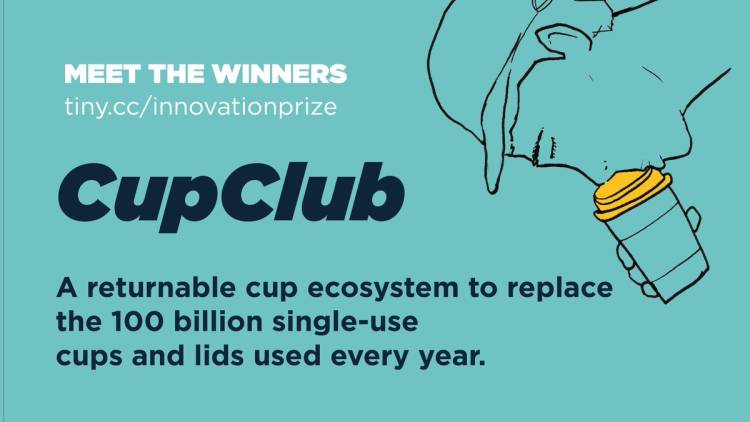
CupClub - This is a UK-based subscription service where store-bought coffee is bought at a participating store, served in a reusable cup and then this cup can then be dropped off at any other participating store when you collect your next coffee.
Evoware - Evoware is a seaweed-based plastic-packaging alternative. Not only is it biodegradeable, but it is actually nutritious and 100% edible. You could literally eat your next pre-made sandwich without removing it from its wrapping.
MIWA - MIWA is a Czech app-based grocery delivery service with a twist - you can order the exact quantities of ingredients you need. Food is delivered in reusable packaging which is collected when you receive your next order, or can simply be dropped off at a nearby participating store.
By the end of the conference, more than 400 major commitments were made by nations and multinational enterprises to bring our planet in line with the Sustainable Development Goals and the Paris Agreement on Climate Change. These were just a few of our favourite highlights, which we feel make the greatest global impact - you can view all the conference talks and speeches here. We'll leave you with the words of Karmenu Vella:
_450_310_70_s_c1_c_t.jpg)