
It’s World Penguin Day!
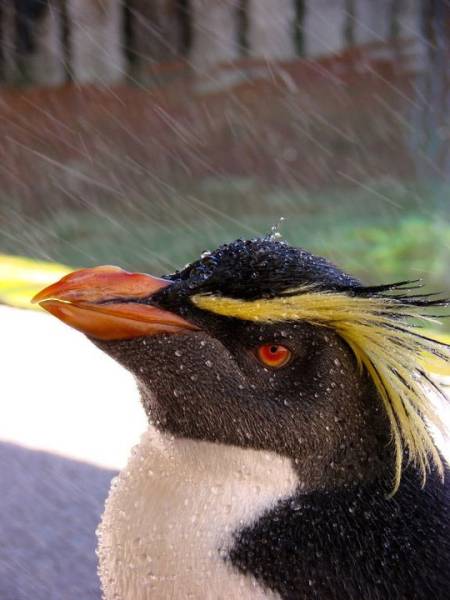
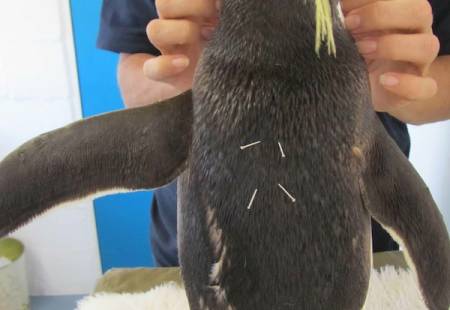
The African and northern rockhopper penguins at the Two Oceans Aquarium are some of the most popular animals we display. Ask any bird keeper here and they will tell you that each penguin has a distinct personality – which becomes particularly apparent at feeding time.
According to the WWF, other than adorable, “penguins are a family of 17 to 19 species of birds that live primarily in the Southern Hemisphere. They include the tiny blue penguins of Australia and New Zealand, the majestic emperor penguins of Antarctica and king penguins found on many sub-Antarctic islands, the endangered African penguin and the Galápagos penguin—the only penguin to be found north of the equator.”
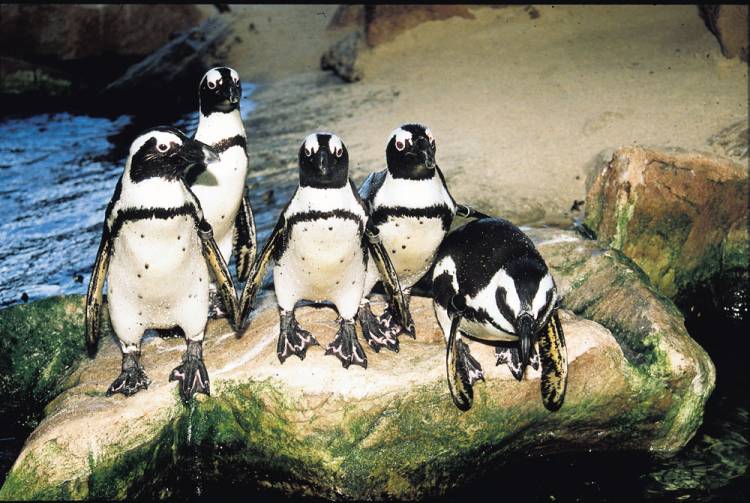
It’s not as if we needed to a reason to celebrate our feathered ocean friends, but today is a great opportunity to draw attention to the work done by two leading organisations in penguin conservation in South Africa, SANCCOB and APSS, that do important, life-saving work every day in aid of the survival of penguins.
SANCCOB
SANCCOB, the non-profit Southern African Foundation for the Conservation of Coastal Birds, has been around since 1968, and they have facilities in Cape Town as well as Port Elizabeth. SANCCOB’s work focuses on the rescue, rehabilitation and release of ill, injured, abandoned or oiled seabirds – including the endangered, endemic African Penguin.
Now nearly 50 years old, SANCCOB has treated more than 95 000 seabirds and, according to independent research, their oil spill response actions alone have increased the African penguin population by 19%.
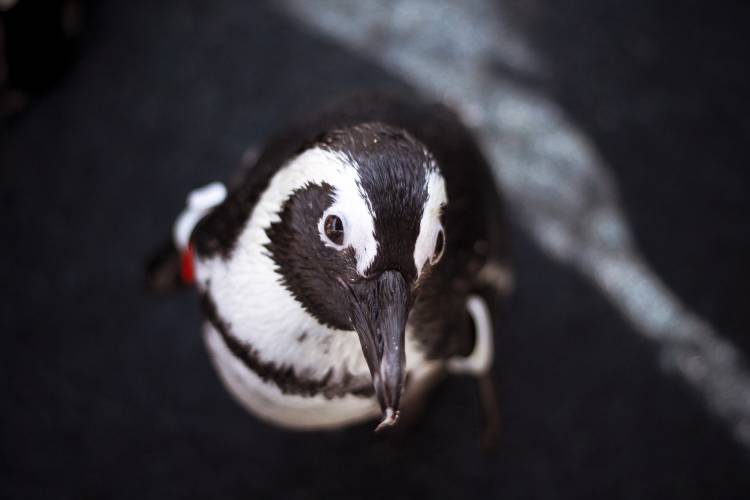
One notable example of such a spill is the MV Treasure disaster of 2000. SANCCOB rescued 18 516 oiled penguins from Robben Island and Dassen Island and, due to a mammoth effort that brought together organisations and volunteers, only about 1 957 oiled penguins died that year. SANCCOB also moved 19 506 un-oiled penguins further up the South African coast. These penguins swam over 778km back to Robben Island.
In a non-spill year, SANCCOB treats up to 1 500 African penguins. Every year, hundreds of African penguin chicks abandoned by their moulting parents are hand-reared at SANCCOB. SANCCOB also plays a big role in research, education and training to contribute towards the development of a professional environmental-worker skills base.
APSS
APSS, the African Penguin and Seabird Sanctuary in Gansbaai, was founded by the Dyer Island Conservation Trust. This is a very new facility, launched in February 2015, which serves as a custom-designed marine bird rehabilitation centre in the Overstrand area.
APSS provides temporary care to diseased, displaced, injured, oiled and abandoned marine birds with special focus on the endangered African Penguin. Like SANCCOB, APPS’ conservation management plan aims to conserve and maintain penguin and other seabrd populations through rescue, rehabilitation and release.
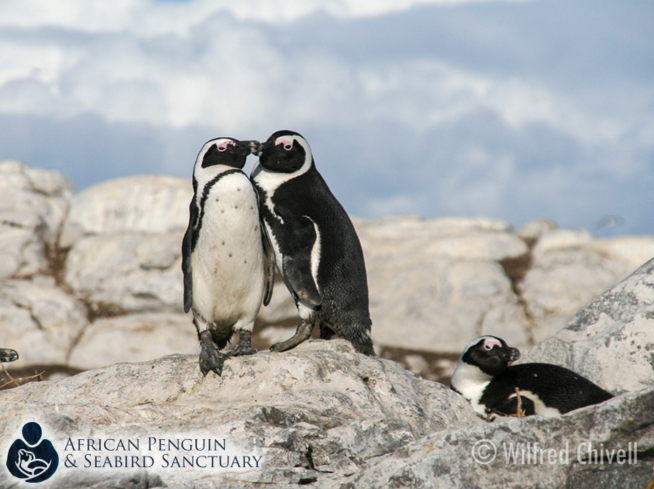
They also run research, education and awareness programmes, and aim to lessen human impacts on marine birds.
During their first year of operation, APSS received a total of 114 African penguins and has successfully released more than 90% of these endangered birds. The penguins admitted to the facility suffered from shark or seal bites or fishing-line entanglement, or were covered in oil. Some were also abandoned chicks.

As part of the 2016 Penguin Promises Waddle for a Week, a few of us were lucky enough to get a special behind-the-scenes tour of APSS earlier this month – it’s a stunning place full of love and care that you can visit any day between 9am and 4pm.
Thank you SANCCOB and APSS, from all the penguin lovers at the Aquarium, for the invaluable, tireless work you do. We owe you.