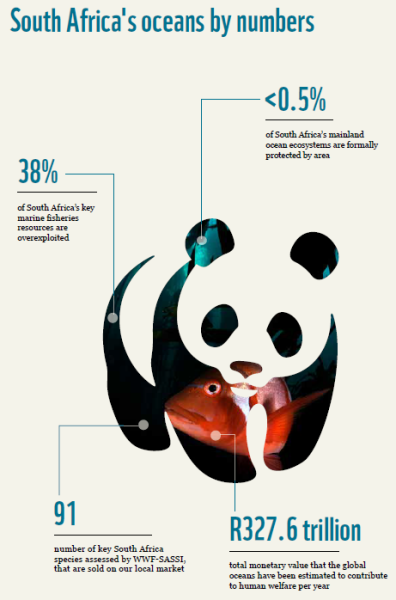

The WWF South Africa just released its latest report, highlighting the state of marine resources in South Africa. Ocean Facts and Figures: Updated Scorecard for 2018 emphasises several key areas of our ocean economy and how these factors have changed since the previous WWF scorecard assessment in 2016. It's worth a read if you care about the future of our oceans.
Here are five lessons we've taken from this new report:
1. West Coast rock lobsters and African penguins in dramatic decline
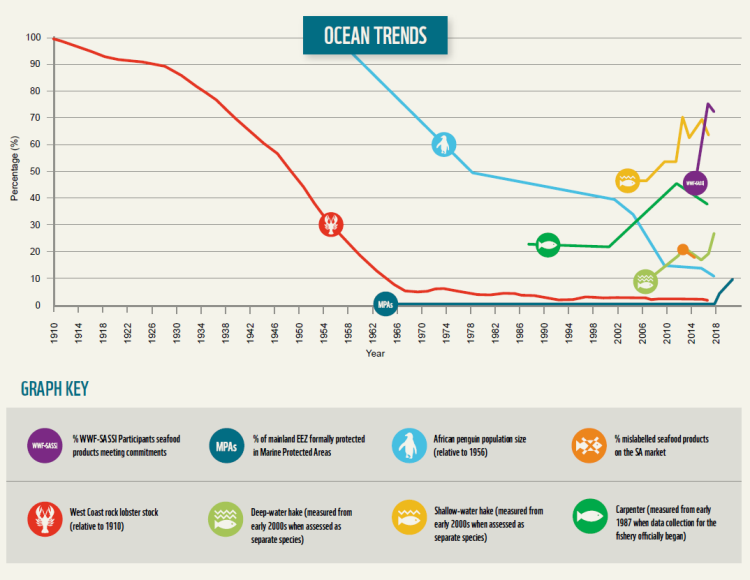
The rate of decline in numbers of African penguins and "kreef" are alarming. African penguins are feeling the brunt of climate change and a decline in their food, while West Coast rock lobsters are suffering severe overfishing - the result of a poorly managed fishery. Earlier this year, WWF SA approached the Cape High Court as an "action of last resort". The WWF asked the court to set aside the Department of Agriculture, Forestry and Fisheries' (Daff) decision to allocate a total allowable catch (TAC) of 1924 tons in the 2017/18 season because this TAC, according to the WWF, cannot sustain the long-term survival of either the rock lobster resource or the fishers that depend on it. WWF now expects DAFF to set the next season’s TAC at a level that will allow this resource to recover.
... but hake is doing well
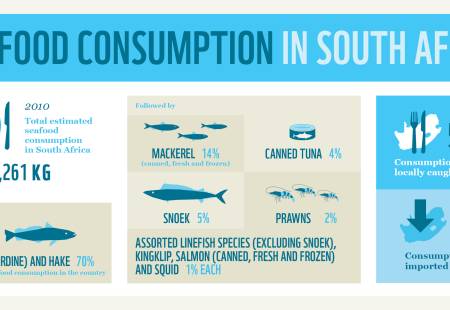
On a more positive note, both of South Africa's hake species have shown significant recovery, with deep water hake currently at a maximum sustainable yield. WWF SASSI runs several conservation programmes with hake, including inshore trawl and longline fisheries. In 2004, Southern African hake was the first MSC-certified fishery in Africa and the first hake species globally, proving that regulations, monitoring and an eye on the long-term can have a serious, positive impact on the health of a species.
2. The state of South African and global fisheries
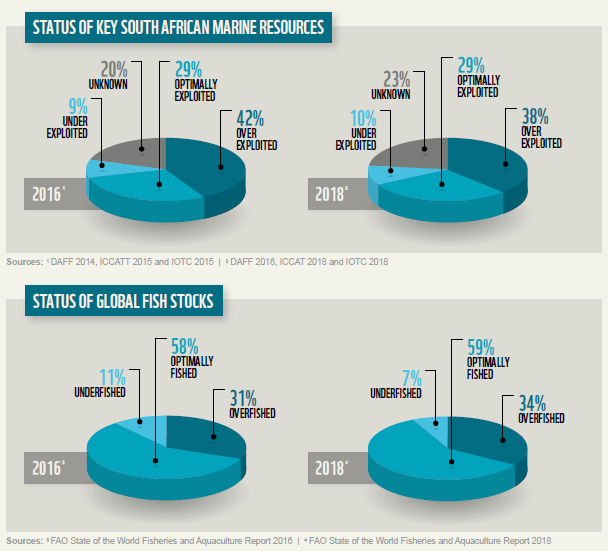
Across the globe, the trend is that more fish species are being exploited to capacity, with a 2% increase in overfished species, and a 4% decrease in underfished ones.
In South Africa, overexploited fish species have dropped by 4%, reflecting the successful implementation of stock assessments by DAFF. Our sustainably utilised fish stocks have remained the same since 2016, which is a good thing, but the number of fished species that we do not have good data on has increased to 23% - not a good thing at all.
3. Other challenges faced in our ocean
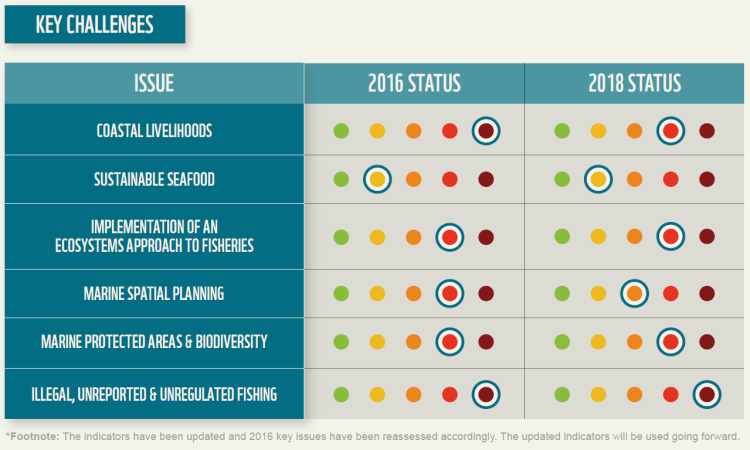
Many challenges are still on the horizon for South Africa's ocean resources, but there has been a significant improvement in the empowerment and improvement of the livelihoods of the Northern Cape's coastal fishing communities. There have also been great leaps taken in the planning and development of Marine Protected Areas in South African waters, bringing us closer to the goal of truly sustainable oceans.
4. Restauranteurs need to engage with WWF SASSI
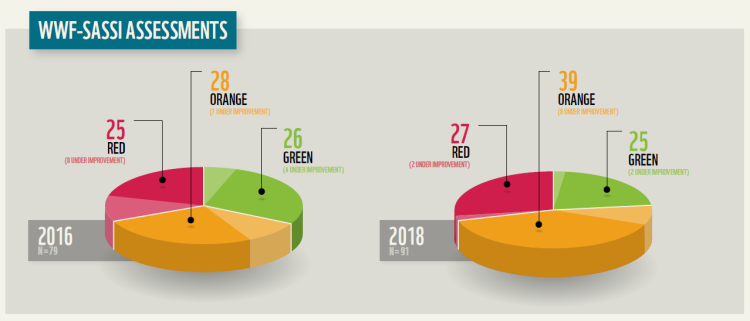
While some fish stocks are regarded as sustainably fished, the number of fish that are still on the market, but are overexploited, has increased. The need for restaurants and fish markets to eliminate the 27 WWF SASSI Red-listed and 39 Orange-listed species from their menus is stronger than ever.
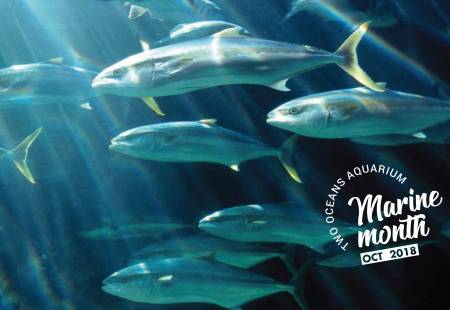
The WWF SASSI List makes this process easy by clearly highlighting Green-listed species that are sustainable. From hake and snoek, to Cape yellowtail and hottentot, there is no reason seafood choices need to dip into species that are at risk. Please hold your favourite retailers and restaurants to account!
5. The state of our ocean
This document has done a lot to emphasise the condition that South Africa's marine resources are in and, although the situation may seem negative, it is important to recognise that improvements have been made. With access to information like this, and by filling in the unknowns with further research, we are positive that policies will be set in place that can protect our ocean, its beauty and its resources for generations to come.