
With October being Marine Month in South Africa, it is only right that we share the news that made us go "oooh" for the ocean! Check out these stories - filling us with boatloads of optimism, excitement and gratitude. Here are our top pieces of uplifting ocean news from the past month, from Cape Town and beyond.
20 new Marine Protected Areas for South Africa!
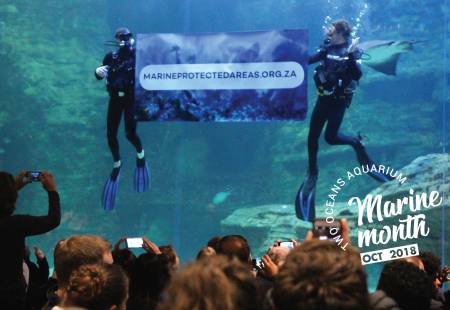
In an exciting turn of events, the Department of Environmental Affairs announced on 24 October that Cabinet had approved 20 new MPAs - bringing South Africa's protected ocean from 0,4% to 5%. These incredible new conservation areas, adding up to an area more than two and a half times the size of Kruger National Park were made possible by the incredible team of scientists and passionate conservationists spearheading the Offshore Marine Protected Area Project.
The Great Optimist Race
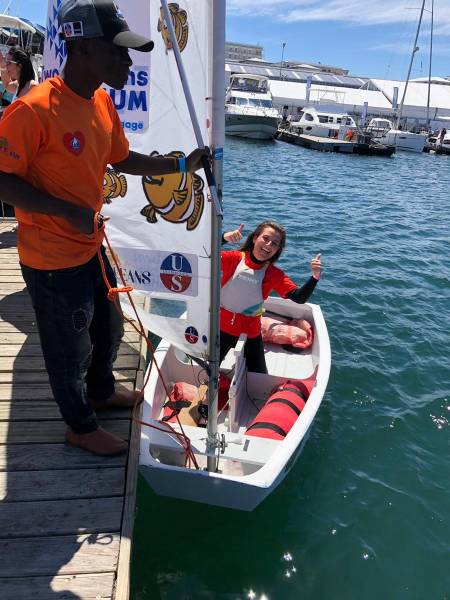
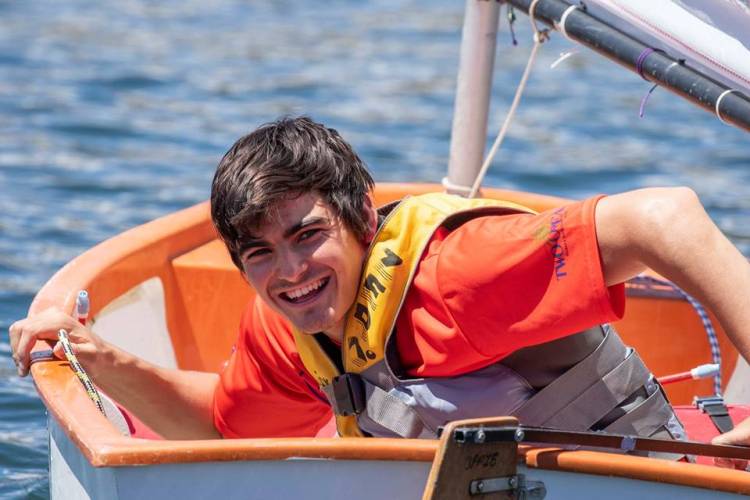
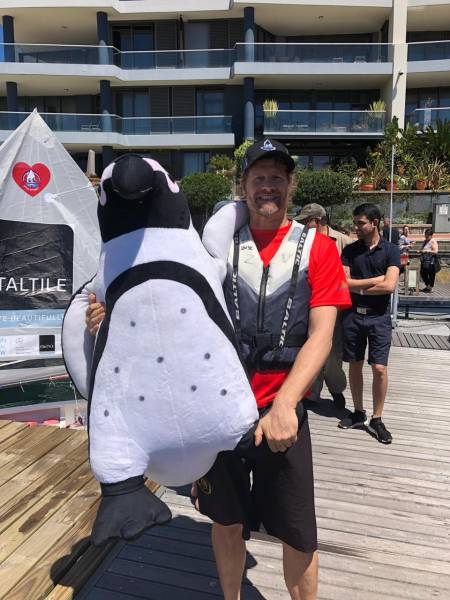
On Sunday 21 October 2018 we sailed for hope as part of the Little Optimist Trust's Great Optimist Race at the V&A Waterfront. For the race, Little Optimist Trust founder Greg Bertish, one of the greatest optimists of all, teamed up with several of Cape Town’s best-loved of non-profit organisations (like the NSRI, the Red Cross Children’s Hospital, Shark Spotters, and us) and some awesome celebs like Achmat Hassiem and Arno Carstens, to raise funds for those in need. It was a glorious day in the harbour, and our curator Maryke Musson did a swimming job of sailing our little Nemo boat around ... But the day was ultimately won by Caleb Swanepoel.
More countries and countries join the action against single-use plastic
There has been much global progress as even more countries and multinational corporations are realizing the dangers and threats that disposable plastic items pose to our environment. We are incredibly happy about the following action that has been taken this past month:
- The European Union passed a resolution that will totally ban 10 of the most abundant plastic litter items, such as cutlery, straws, balloon sticks and earbuds. They have also imposed strict restrictions and incentives for plastic reduction on items with no readily available alternative, such as cigarette filters. These bans will be implemented by 2021.
- 250 companies signed a global commitment, spearheaded by the Ellen MacArthur Foundation, to eliminate plastic waste. These companies, which include giants such as Coca-Cola, Kellogg's, Nestle, PepsiCo, Unilever, Johnson & Johnson and Stanley Black & Decker, account for more than 20% of the world's plastic packaging - so this is a big deal. In addition, 15 global financial institutions have pledged $200 million USD as venture capital funds for the "circular economy."
- Botswana's plastic bag ban officially goes into effect on 1 November.
Nikon Small World reveals tiny ocean marvels
Every year Nikon hosts a Small World competition for photographers to take photos and videos of the absolutely minuscule world. The 2018 video section was dominated by marine life - and we just love that!
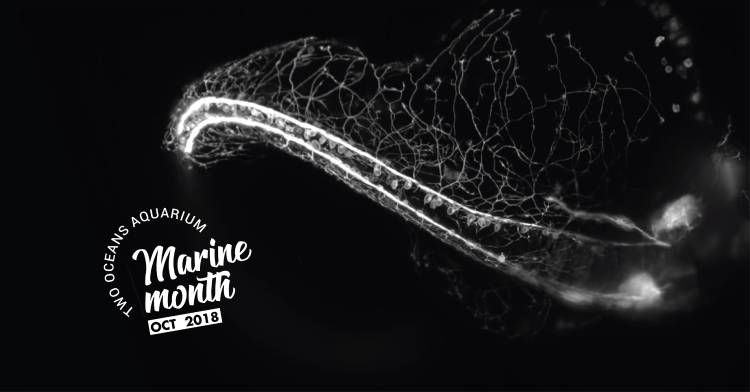
The winning video is an amazing 16-hour timelapse of a zebrafish embryo growing a complex nervous system, filmed by Elizabeth Haynes.
Third place was taken by Rafael Martin-Ledo of this cutie - a tiny polychaete worm called Syllidae.
And in fifth place (although it's our favourite), this planktonic sea flea giving birth, recorded by Wim van Egmond.
Awesome new website focussed on SA's Marine Protected Areas
Thanks to a brilliant new website from South African National Biodiversity Institute (SANBI) and the Department of Environmental Affairs, we can all take a closer look at the MPAs in our waters, and what lies below the waves of the 5% of our ocean they hope to conserve.
- The science behind our existing and proposed MPAs
- Pressures on the ocean (and why MPAs are needed)
- The benefits offered by the establishment of MPAs
- The iconic species that thrive in protected waters
- Incredible images from some of South Africa's best marine photographers
SodaStream ocean plastic collector begins sea trials!
150 SodaStream executives, local school children and the Plastic Soup Foundation gathered at the Honduran island of Roatán in the Carribean Sea for a large coastal cleanup effort and to test an ocean-going waste collection device called Holy Turtle. Holy Turtle can be used in coastal waters and consists of a 300-metre floating boom that is pulled through the water between two small boats, collecting floating plastic litter as it travels. This technology was inspired by the booms used to contain oil spills and, if deployed elsewhere, would fill a local need not met by larger projects like The Ocean Cleanup.
Sea lettuce becomes first seaweed to have its genes sequenced
Humble Ulva lactuca, that slippery green seaweed we see washed up on beaches across the globe and which we feed to our turtles at the Aquarium has become the first green seaweed to ever have its genome mapped - and the results are surprising!
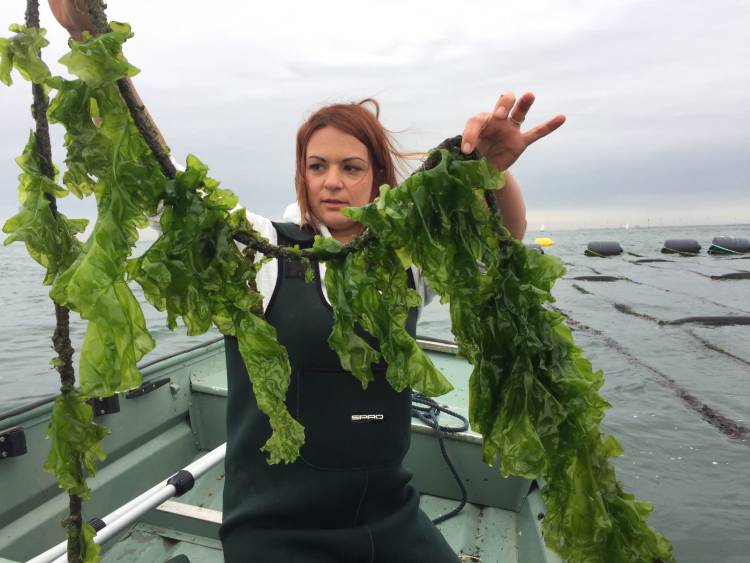
It turns out the sea lettuce has stolen DNA from bacteria 13 times, and used this new DNA to help overcome problems like salty water, dehydration and UV radiation. Ulva has been identified as a potential future animal feed, biofuel source and even a protein source for humans, so learning about how its genome can be easily tweaked could lead the way to more sustainable food and energy in the future.
Arctic fishing banned before it begins
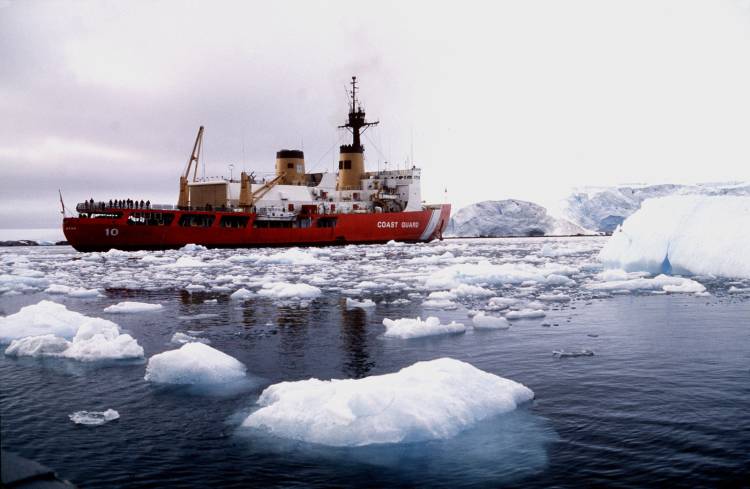
With sea ice receding in the Arctic, virgin fishing grounds are being opened up for the first time - fortunately, those countries with the capacity to fish in the Arctic have all agreed that these new waters should be protected. Canada, China, Denmark, Iceland, Japan, Norway, Russia, South Korea, the USA and European Union have signed legally binding agreement to protect the area - the first agreement in history to ban fishing in an area before it even began.
Donald Trump does something good for the ocean
US president Donald Trump has signed the Save Our Seas Act, allocating funds to NOAA to continue ocean waste monitoring operations and giving them the authority to proclaim marine debris crises areas on the US coast. This is big news, as the 12th largest contributor to ocean plastic pollution, the USA's acknowledgement of this environmental issue and the need to police the waste generated by other countries brings American authority to an issue that they have long ignored.
Know someone who could benefit from a puppet show teaching basic lessons in environmental appreciation? Check out our travelling Puppet Stories.
Good and bad news for South Africa's fish stocks
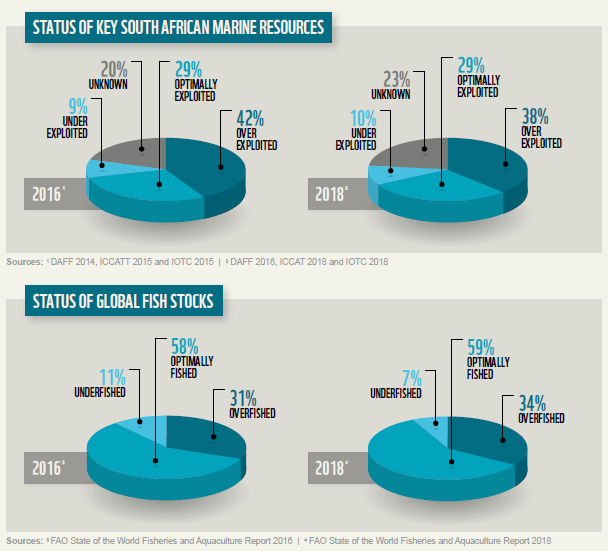
The WWF South Africa just released its latest report, highlighting the state of marine resources in South Africa. Ocean Facts and Figures: Updated Scorecard for 2018 emphasises several key areas of our ocean economy and how these factors have changed since the previous WWF scorecard assessment in 2016.
West Cost rock lobster and African penguin populations are in dramatic decline, but both species of hake are showing great recovery. Click here for the five key take outs of the latest scorecard.
Love receiving good news? Sign up for our monthly newsletter for more Cape Town and Two Oceans Aquarium happiness.
_2_450_310_70_s_c1_c_t.jpg)