
The Two Oceans Aquarium Education Foundation's Marine Sciences Academy runs several enrichment courses for young natural historians with a particular interest in the ocean. Many of these learners express an interest in pursuing marine-related careers, usually starting off as wanting to be a "marine biologist", but expanding as research and guidance through our courses makes them aware of the huge variety of careers on offer.
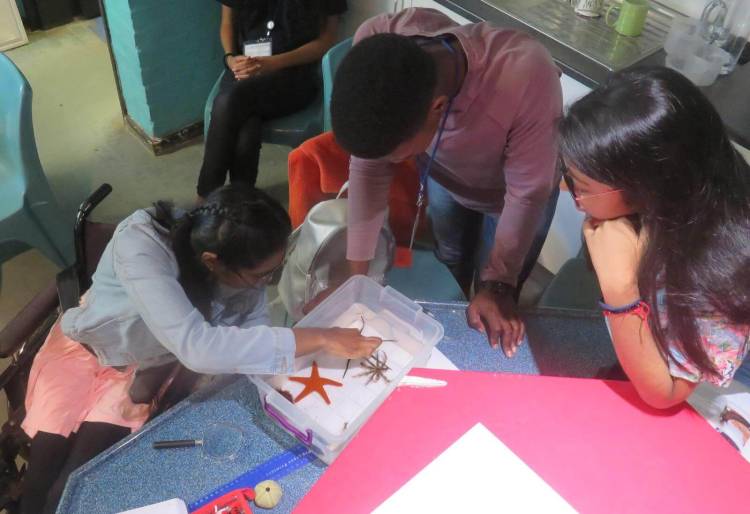
The Marine Sciences Academy courses culminate in two five-day academic courses offered to Grade 11s and 12s who are considering studying marine sciences at a tertiary level - one on zoology and the other one oceanography. Thanks to the generous contributions of I&J, this year's zoology course could be offered free-of-charge to 39 learners. We also hosted teachers from local high schools which will be taking on the new Marine Sciences Curriculum next year, so that they could receive training in the zoology components of this new subject.
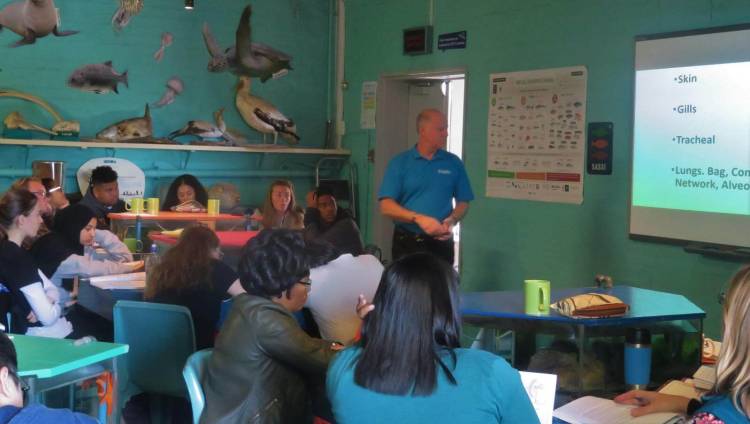
The course began with the outline of broad biological concepts, such as the levels of complexity of body plans in organisms and the understanding of animal taxonomy. With these broad concepts in place, all the major animal phyla were covered, starting with protists and ending with mammals. The increase in complexity and the move of life onto land was discussed, with particular focus on vertebrates.
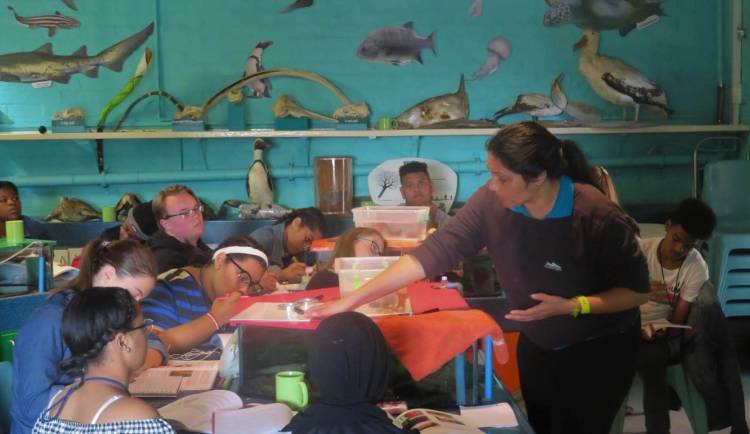
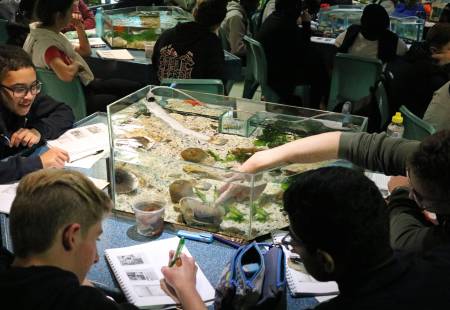
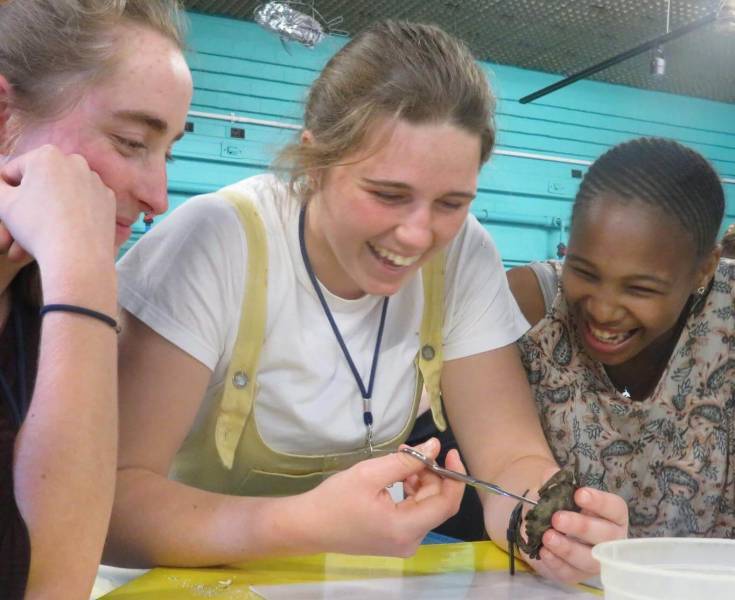
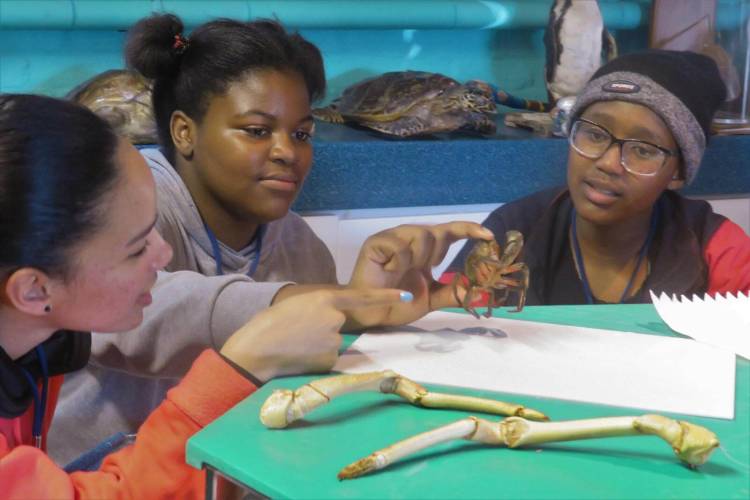
These lessons were aided by practical, hands-on samples of the various phyla. From the dissection of kelp holdfasts to investigate the micro-organisms, which call them home, to the dissections of larger animal specimens like crabs, squids and even a giant yellowtail!
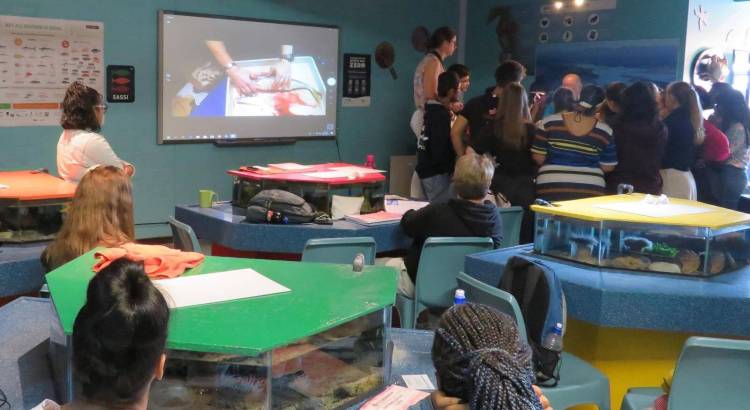
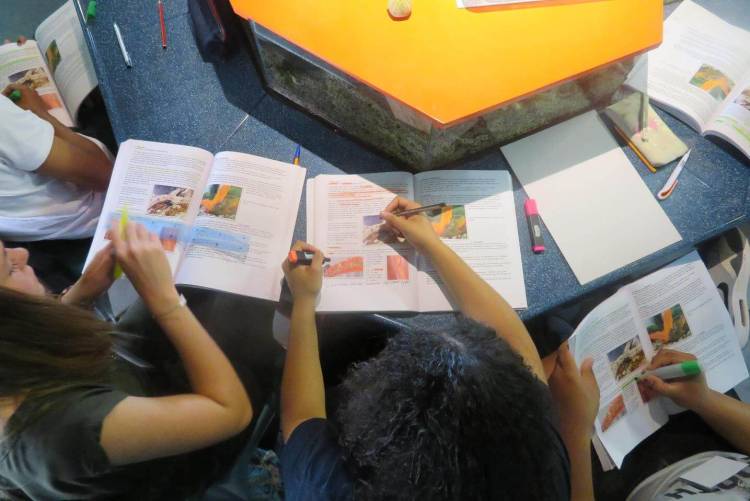
This year, we were able to incorporate material that we have developed for the Marine Sciences Curriculum, to be launched at schools in 2020. This was an ideal opportunity to have students physically working from the new resource material to get feedback on the suitability of the material and any problems which required attention.
Before the course started, a pre-test was done to gauge the existing knowledge of the learners - the average result of this pre-test was 25%. At the end of the course, the learners were retested - and had attained a new average of 62%. Aside from these assessments, the learners also carried out several assignments and projects, putting their new zoological knowledge to the test.
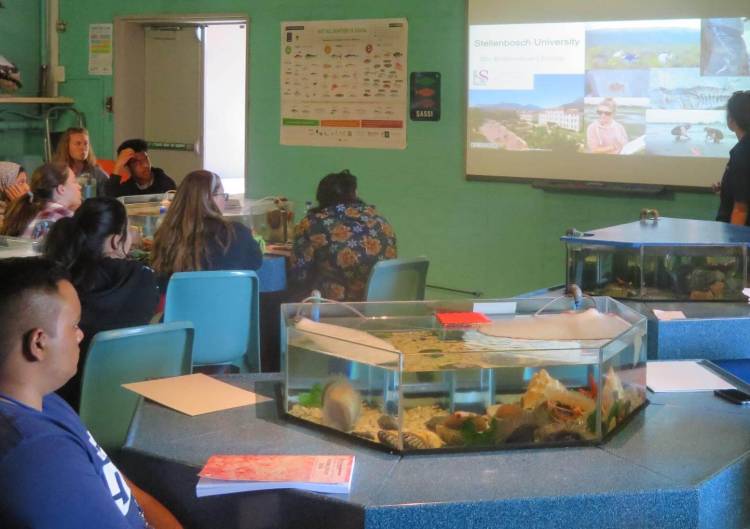
This course would not have been possible without the incredible support of I&J, and the team of volunteers from last year's Marine Sciences Academy courses that returned to assist the Two Oceans Aquarium's educators. Feedback from the learners was unanimous in praise of the enthusiastic presenters, great resource material, the ability to work with and view live animals in the Aquarium.
What other educational activities are on offer?
There are many ways your children can get involved in environmental education opportunities at the Aquarium. Here are a few of the most popular options:
- School classes, youth groups and other organisations can book a classroom visit that fits in with your curriculum:
- Pre-school: A wide range of interactive Puppet Stories, from I Love Turtles to a Water Cycle Adventure.
- Grade 1-3: Discover underwater wonders and learn about different kinds of fish.
- Grade 4-6: Fun lessons with topics from fish anatomy and marine conservation to the close relatives of sharks.
- Grade 7-9: Lessons from water conservation to rocky shore ecology.
- Grade 10-12: Exciting topics from sharks and ecotourism to biodiversity and anatomy.
- Individual children of all ages can take part in FREE courses from our Marine Sciences Academy:
- Grade 6: Become Junior Biologists and study marine life and conservation on our coast.
- Grade 7: Learn Smart Living and learn how our lives and the environment interact
- Grade 8: Become a Marine Science Discoverer if you're in grade 8 and learn about careers in ocean science.
- Grade 9: Become Marine Science Explorers - time to get hands-on with ocean life.
- Grade 10: Apply for our flagship Young Biologist course, and jumpstart a marine career.
- Grade 11 & 12: FET Zoology and Oceanography courses - a stepping stone into marine science tertiary studies.
- If you can't get to the Aquarium, we'll come to you!
- A fully equipped mobile aquarium, Oceans in Motion, is on the road - bringing the ocean's wonders and lessons to previously disadvantages schools in the Cape Town area.
- The Smart Living outreach programme engages with learners on key environmental issues such as energy, water, waste and protecting biodiversity.
If you would like to make a booking for your class, get involved in one of the above courses or are an adult looking for training opportunities or to take part in our job shadowing programme, please visit our Environmental Education Centre portal for more information and the relevant contact details.
_450_310_70_s_c1_c_t.jpg)

_450_310_70_s_c1_c_t.jpg)