
Working at the Two Oceans Aquarium has given me the opportunity to get to know all sorts of marine animals. One of the reasons I was keen to write the signage for the exhibits was that I wanted to learn as much as I could about the species we showcase. And to this day I have not stopped learning. It was difficult to choose just ten animals as every one has something remarkable about them, be it an adaptation or just something beautiful.
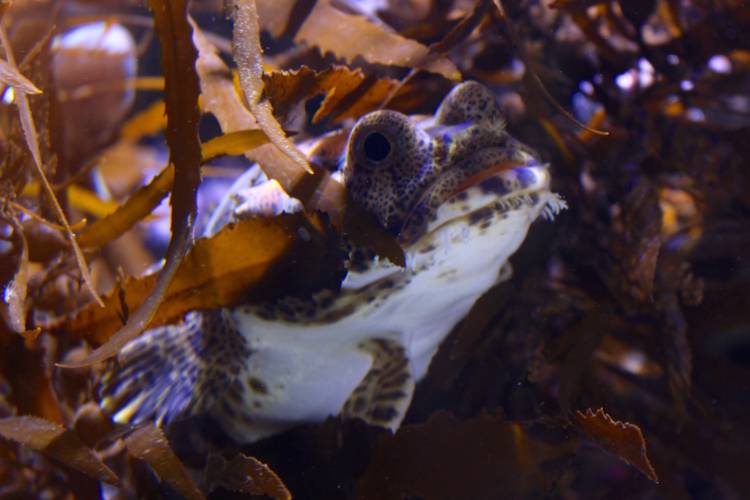
Toadfish
This is a toadfish. He/she can be seen in Cryptic Exhibit in the Oceans of Contrast: Atlantic Ocean Gallery. I love the little whiskers. Males apparently ‘sing’ to attract females (they use their swim bladders to make the noise).
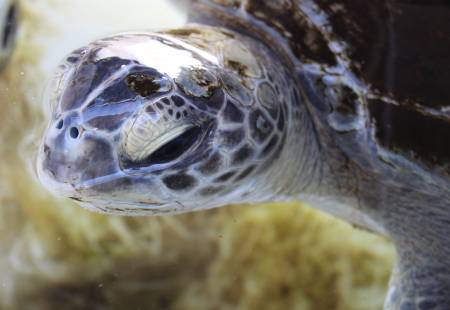
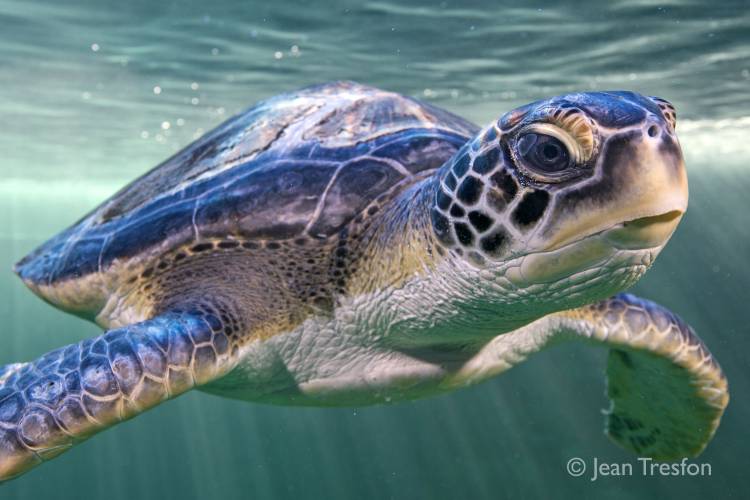
Turtles
Turtles are long-standing favourites of mine. The sex of turtle hatchlings is determined by the temperature of the clutch during the first 3 to 4 weeks of incubation. If the clutch is between 20-24 º C, the hatchlings will most likely all be males. If the clutch is laid at temperatures of 29 º C and higher, the hatchlings will be predominantly females.
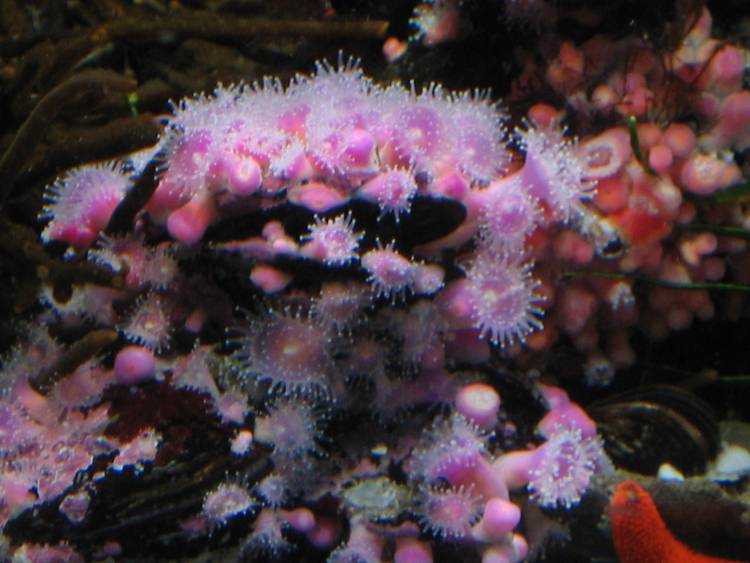
Strawberry anemones
These delicate little ‘sea flowers’ remind me of ballet dancers in pink tutus! Similar to corals, strawberry anemones consist of a colony of individual animals. They can clone themselves by a process known as fission.
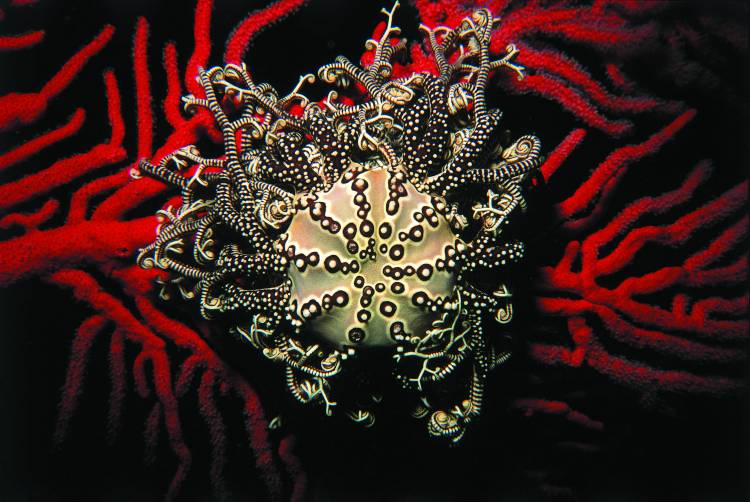
Basket stars
These members of the starfish family are underwater works of art! I love how they extend their delicate lace-like tendrils while feeding.
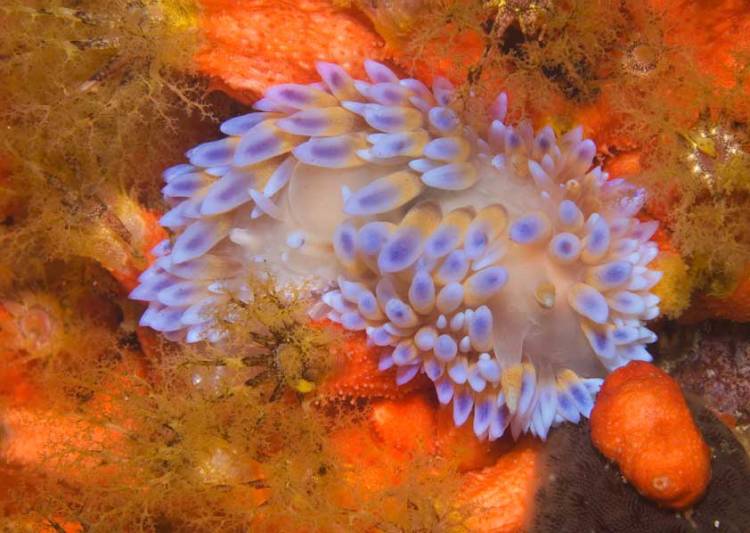
Nudibranchs
One of the things which I love about diving around the Cape coast is the invertebrate life which can be seen on reefs. One can spend an entire dive just looking at a small section of the reef which is jam-packed with animals such as nudibranchs – seeing one of these beauties is a highlight on a dive!
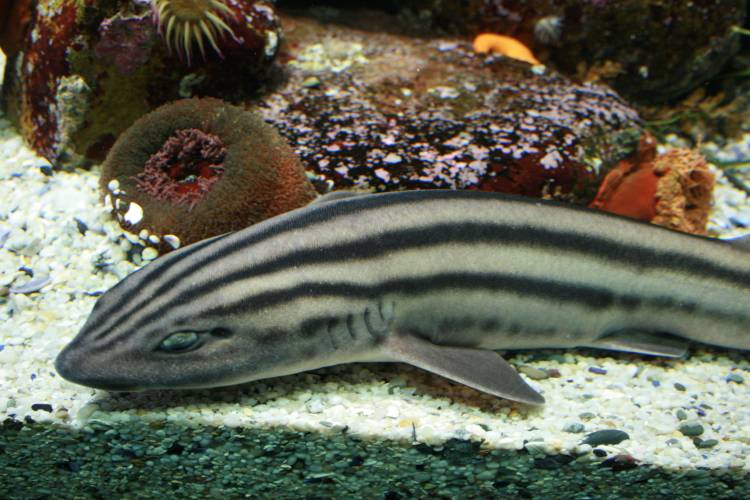
Pyjama shark
I often go to watch the diver feeding in the Ocean Basket Kelp Forest Exhibit just to get a glimpse of the elusive pyjama sharks. They tend to hide most of the time and only make a grand appearance during feeds. Like several other shark species pyjama sharks lay two egg cases (mermaid’s purses) at a time. There is a mermaid’s purse display in the Atlantic Ocean Gallery where sometimes you can see the baby sharks developing.
Peacock mantis shrimps
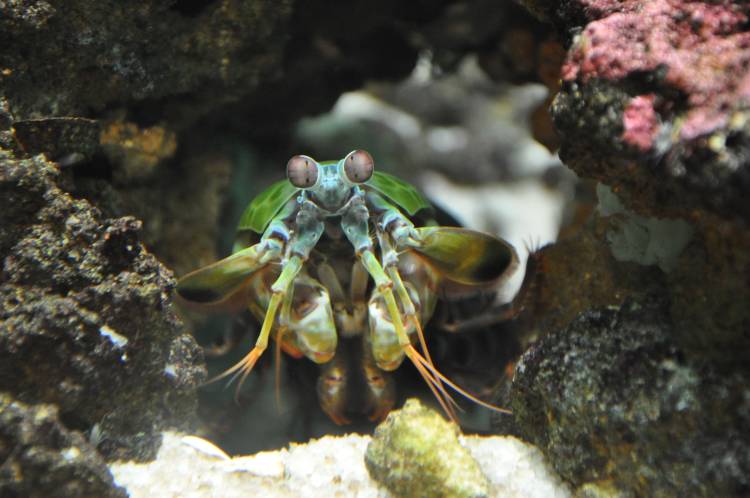
Looking like something from an alien movie, mantis shrimps either ‘spear’ or ‘smash’ their prey. ‘Spearers’ stab shrimps and small fishes. ‘Smashers’ strike and disable crabs and molluscs. The force behind the strike can easily crack the glass of an aquarium!
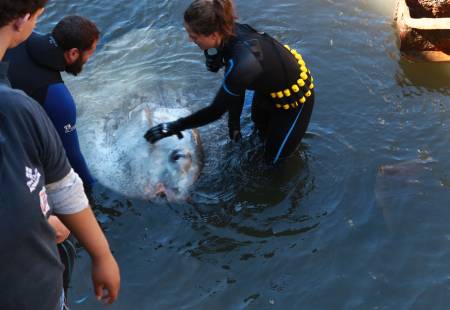
Sunfish
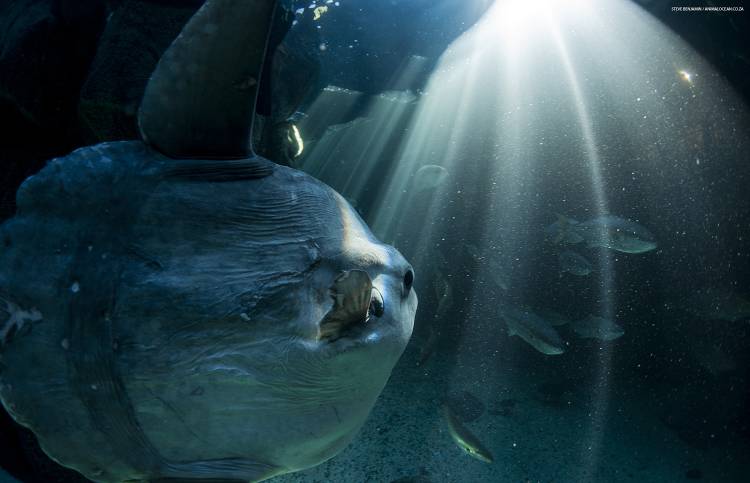
Who cannot love these gentle giants of the open ocean? It is remarkable that an animal that can weigh up to 2 tonnes lives on a diet of jellies that have very little nutritional value.
Hagfish
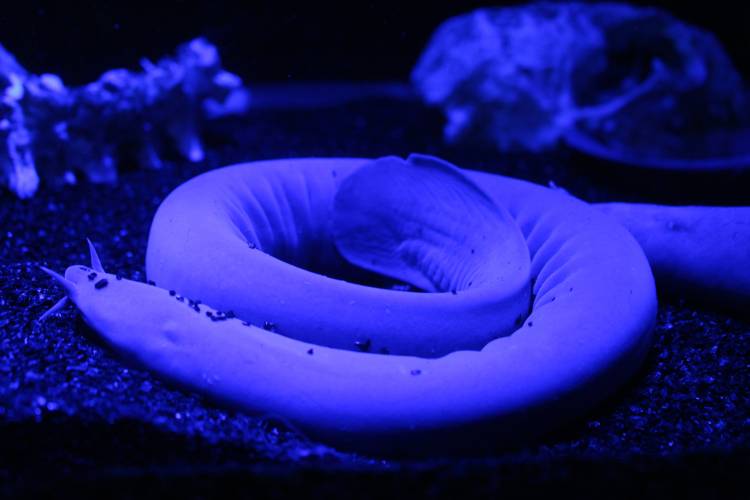
These animals just fascinate me. Jawless, eyeless, finless, scale-less, they are living fossils, which have changed little since the days of the earliest hagfish, dating back some 330 million years. Imagine if they could talk and tell us how the world has changed!
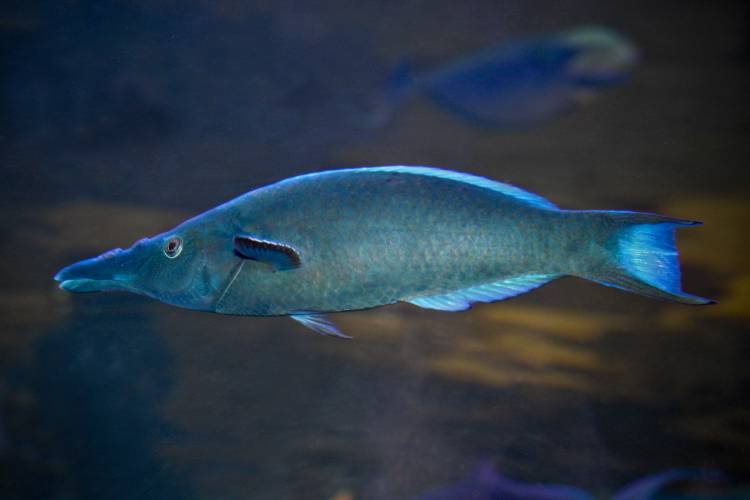
Bird wrasse
A fish that looks like a bird! Nature has a wonderful sense of humour. Not only are males and females different in colour (males are dark azure blue and females have white to yellow bellies with dark greenish backs), but these fish also change sex from female to male.