
An increasing amount of South Africa's unique marine life is being destroyed by overfishing and plastic pollution. At this rate, African penguins may be extinct in the next eight years. By 2050 the amount of plastic in weight in the ocean will outweigh the fish. This may seem too big a task to tackle, but yacht Boaz has decided to be a part of the change.
(Cover photo by Gordon Hiles)
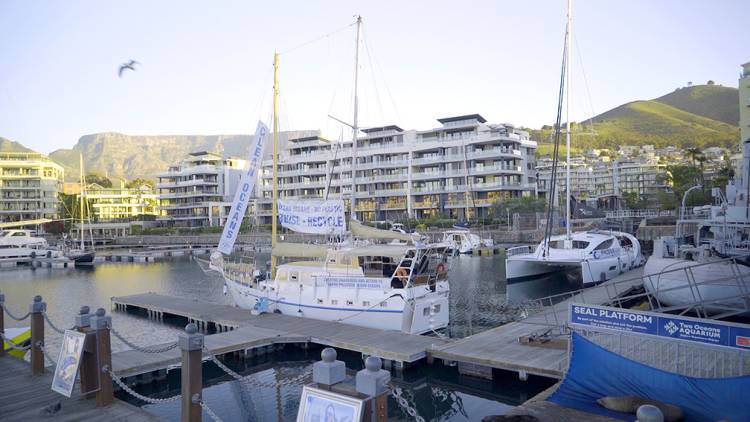
Docked in front of the Two Oceans Aquarium there is a distinctly decorated yacht with a purpose, its banners flying high displaying the message, “Clean oceans - No Plastic - reuse, recycle”. Owner Keith Wetmore is joining forces with scientists, marine biologists, journalists, and anyone who is ready to help the Boaz team with the fight against ocean pollution.
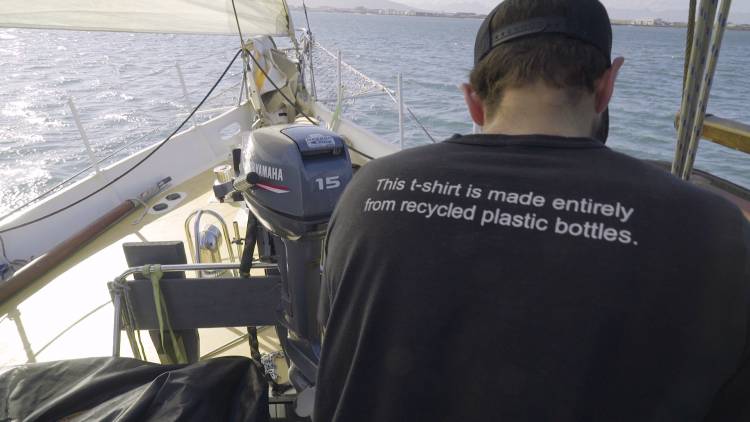
Through education, social media and their expeditions around South Africa they aim to raise awareness by promoting responsible usage of plastic to consumers and the general public alike.
We chatted to owner Keith Wetmore about his inspiration behind Boaz.
When did you start and what are your plans?
Keith Wetmore: We've been doing this since January 2018 and we're getting quite well known. We are starting to look for volunteers from overseas, along with two locals from disadvantaged communities to train up and take on a two-week trip around Cape Point. We’ll interact with some schools along the way, passing our message on as well as do a little bit of marine research. We want to do this every month for the next 12 months and we hope these volunteers will become ocean ambassadors.

The objective of Boaz, is primarily to spread the message through educating the youth. When we get going we would like to do trips around the Indian Ocean islands like Mauritius and Madagascar, ultimately connecting schools and universities from South Africa with Madagascar through the common means of the boat and with the common objective of alerting youngsters to the pollution problem through science and research and getting a referential database.
Tell us about your trawl
KW: We used what is called a manta trawl to sample the surface of the ocean, it was created by the 5 Gyres Institute. Debris is caught in a small mesh net and we analyse the contents of the net according to a standard protocol.
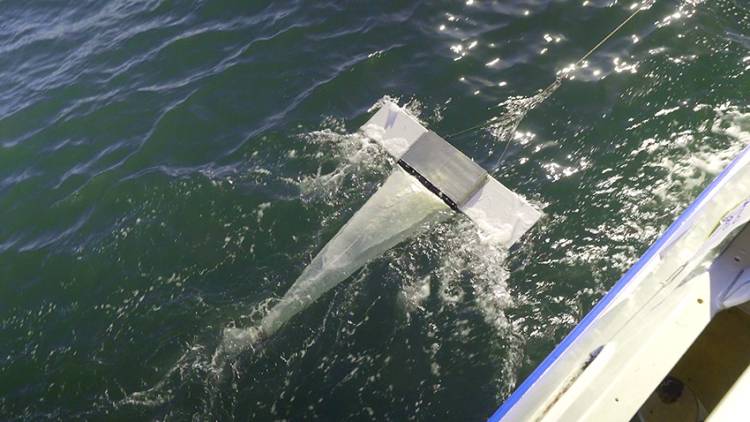
5 Gyres wants to deploy it all over the world with volunteer organisations like Boaz. We send that data to them and over the months and years they'll develop an international database which is available to the public. We have scientists on board today who will monitor this for us and make sure we are doing it correctly.
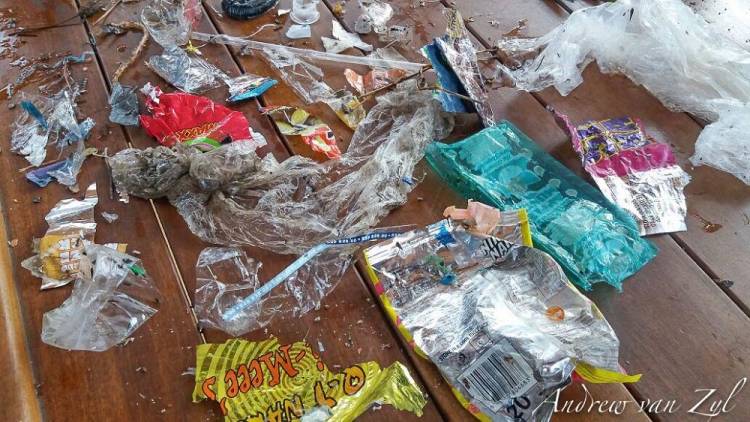
Two weeks ago from Clifton back to the V&A Marina harbour our collection was horrendous, we must have picked up half a table full of plastic rubbish. Everything from bottle tops to chip wrappers to, of course, the inevitable lollipop stick.
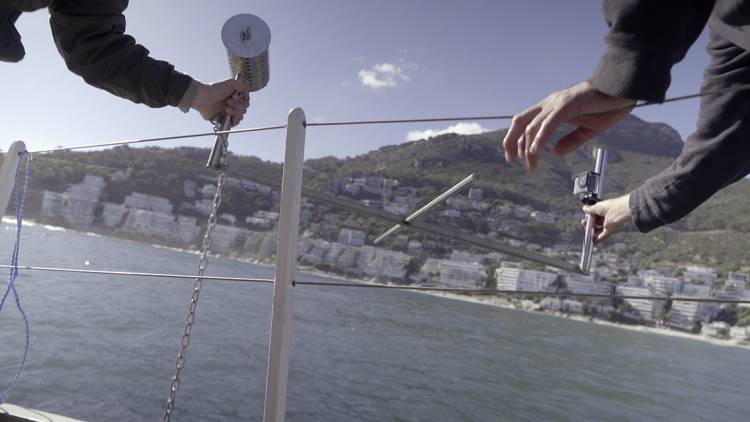
We are also working with marine scientists from Cape RADD (Research and Diver Development) who are using baited, remote, underwater video (BRUV) to monitor and collect data of the marine life in the area.
What was your motivation to make plastic pollution your focus?
KW: People think the ocean water off Cape Town looks pristine, but when you see the trawl collection then you really see the rubbish that is out there. The fish and the birds mistake this rubbish for food, ingest it and can’t digest it. This chokes up their stomach and they die of starvation. Their stomachs look full but there is nothing of nutrition in there.

80% of fish have ingested plastic. The plastic breaks down into small particles, is eaten by the fish and gets into the body of the fish, which we then eat. It’s a horrendous thought! It's not only the plastic particles but the chemicals in the plastic that is affecting our hormonal system, so the dangers of plastic are enormous.
KW: We would like Boaz to become recognisable as the boat spreading the message about plastic awareness. We are getting good support from the Two Oceans Aquarium and also from the V&A Waterfront, who allow us to tie up right in front of the Aquarium.
Keith hopes that one day their yacht will be as recognisable as the Cape Town Mavericks aeroplane.
The decisions we make on land concerning plastic usage ultimately end up affecting the health and sustainability of our oceans. If you are interested in making a choice to use less plastic, look into some of the alternatives.
_450_310_70_s_c1_c_t.jpg)