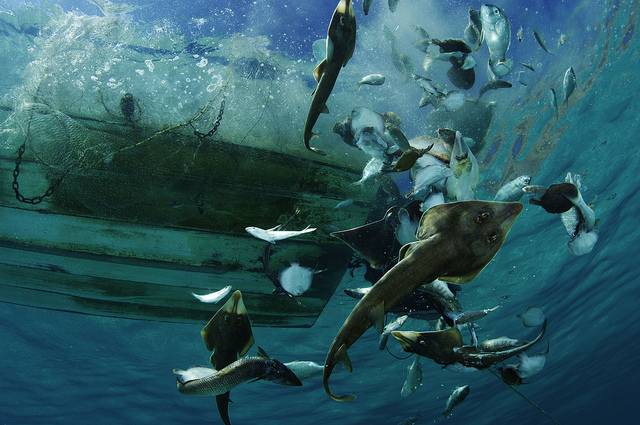
No fishing methods are truly target-specific, and often animals which should never come in contact with the fishing industry, like sea turtles and birds, are accidentally captured and killed. The Food and Agriculture Organization (FAO) of the United Nations estimates that 27-million tonnes of non-target species are captured every year across the world.
This is known as “bycatch”, and is considered a major threat to the health of the marine environment, wasting valuable resources and causing an alarming decline in many marine species. But luckily, thanks to innovative minds and a proactive approach, we are finding ways to combat this phenomenon and protect important ocean life. There are also ways in which YOU can help…
According to the FAO, bycatch is often thrown overboard by fishermen, which impedes stock assessments and management of these species. The organisation argues that since many bycatch species are top marine predators, the unmonitored and uncontrolled eradication of these creatures can have devastating knock-on effects on ocean ecosystems.
Species in peril
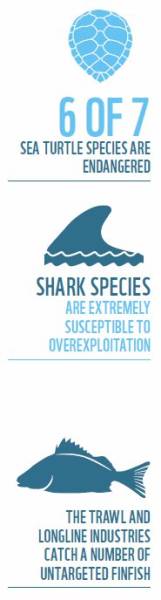
According to the latest report compiled by the Southern African Sustainable Seafood Initiative (Sassi) of the wildlife conservation organisation WWF, six of seven sea turtle species are endangered owing to the fact that they are easily captured – they are slow moving and need to surface to breathe.
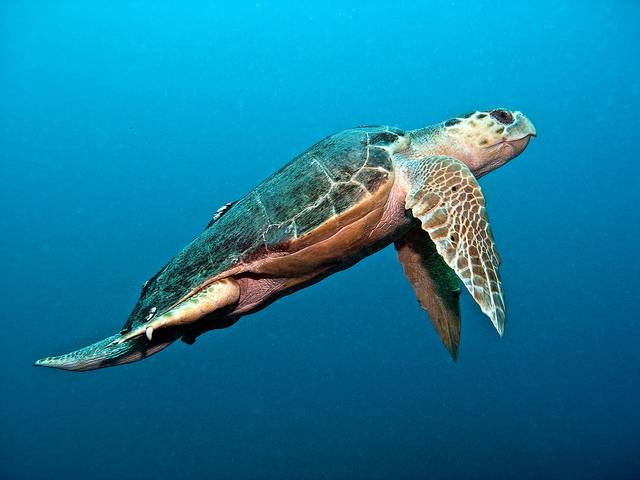
Turtles often drown when trying to eat the bait from fishing lines, become entangled in fishing nets, and because of their slow growth rates, low reproduction rates and late sexual maturity, six of the seven turtle species, including our local loggerhead turtle, are critically endangered. In South Africa, sea turtles constitute a portion of bycatch in the swordfish and tuna longline fishery.
Sassi explains that many shark species share the same predicament – many are slow growing, display late sexual maturity and give birth to few young, making them extremely susceptible to overexploitation. And because they are taken as bycatch in most global marine fisheries, sharks now account for the greatest percentage of threatened marine species on the International Union for Conservation of Nature’s Red List of endangered species.
Trawl and longline fisheries also unintentionally capture a large variety of finfish, but a number of methods have been implemented by the Department of Agriculture, Farming and Fisheries to reduce catch numbers. For instance, a seasonal closed area has been set up to protect kingklip spawning grounds (an orange-listed Sassi species, meaning their status is concerning), while the trawl industry regulates net mesh size to reduce bycatch.
Headway is also being made to reduce the number of bird species that become victims of fishery bycatch. According to BirdLife International, about 300 000 seabirds are killed across the globe every year as a result of unsustainable fishing practices. It is estimated that 27% of seabird species, including 19 albatross species, are threatened with extinction because of fishing.
In South Africa, fishermen are required to set their lines at night since birds feed during the day, and bird scaring devices (tori lines) are used in longline and trawl fisheries. These methods seem to be working – the Albatross Task Force reports that there has been an 85% reduction in seabird deaths in the South African longline fishing sector in recent years.
How you can help
In 2005, the WWF introduced an international competition called Smart Gear, inviting people from all walks of life to submit innovative and practical designs for fishing gear which would help reduce the levels of bycatch.
Japanese tuna vessel captain Kazuhiro Yamazaki walked away with this year’s first prize of US$30 000 (over R240 000), with his Yamakazi Double-Weight Branchline device.
“The double-weight configuration is designed to sink pelagic longline hooks beyond the range of seabird attacks within the aerial extent of a tori line during line setting, and reduce injuries to crew should a hook come free while under tension in the landing process and recoil back at the vessel,” reads the WWF website.
Smart Gear officials hope that critical examinations like those of Yamazaki and other leading experts will highlight the best ideas in the world, advance effective solutions to make fishing “smarter” and bring attention to the bycatch problem worldwide.
Below is a video featuring a helicopter pilot who speaks out about his experiences onboard a number of purse seine tuna fishing vessels operating in the Pacific. “His gruesome footage shows how the use of Fish Aggregation Devices is resulting in the bycatch of all sorts of marine life and contributes to the depletion of tuna stocks. Greenpeace is campaigning for more sustainable and less destructive tuna fisheries in the Pacific Ocean.”
Stay in touch: For daily Aquarium updates, follow us on Twitter (@2OceansAquarium) and become a fan on Facebook.