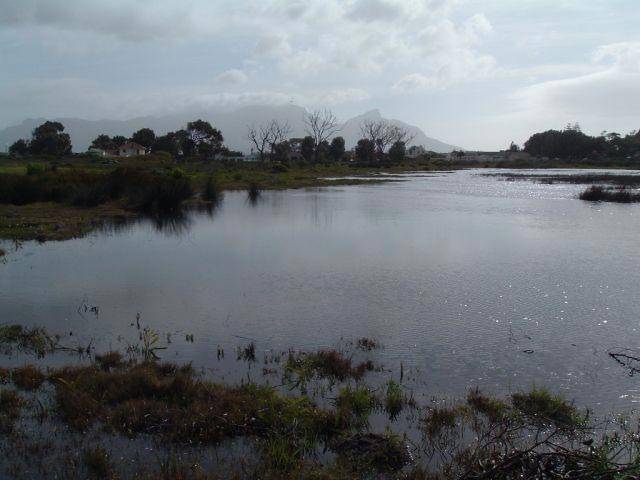
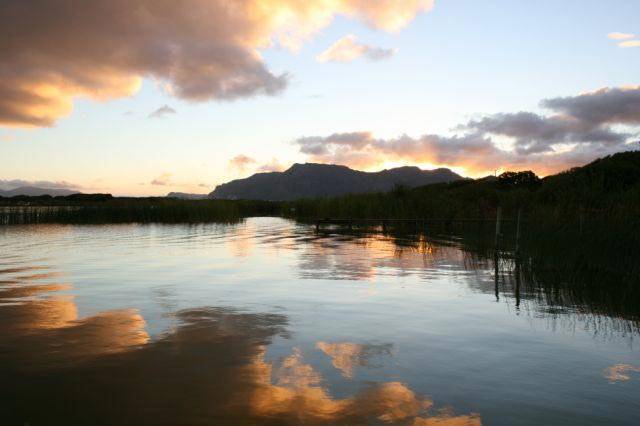
Wetlands are treasured pockets of our landscape. They are conserved for their biodiversity and because they act as natural water filtration systems and as “carbon sinks” – they store greenhouse gases which end up in the atmosphere when they are disturbed.
Healthy wetlands help prevent floods and also act as feeder systems for our river systems, which provide the water resources that humans need for agriculture, industry and urban domestic use. Water is scarce in South Africa, and wetland conservation in this country receives a great deal of attention from the government and international partners.
February 2 is World Wetlands Day and a trip to the Aquarium to experience the Sappi River Meander is an informative way to experience the birds, fish, insects and plants which make their home in and around South Africa’s wetlands. The exhibit tells “the story of a river” – from the coastal rivermouth ecology to mountain catchments – and highlights many of the threats facing wetlands.
Common bird species which make their homes in local wetlands include the African jacana, African finfoot and common moorhen.
The international Convention on Wetlands of International Importance, called the Ramsar Convention, defines wetlands as “areas of marsh, fen, peatland or water, whether natural or artificial, permanent or temporary, with water that is static or flowing, fresh, brackish or salt, including areas of marine water the depth of which at low tide does not exceed six metres”.
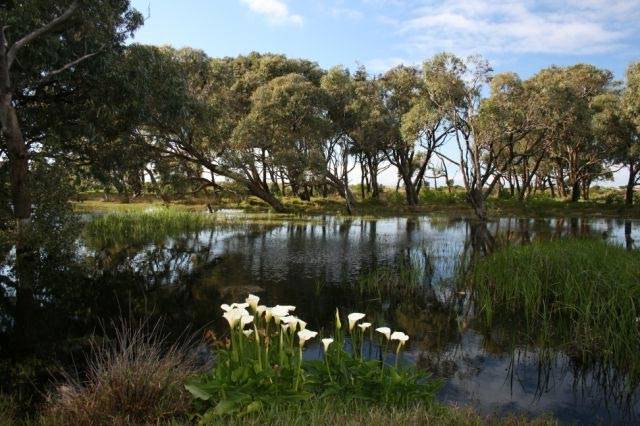
This broad definition is a far cry from the image of gloomy swamps which permeated 17th and 18th century thinking, when many of the world’s great wetlands were destroyed. Nowadays everyone knows wetlands are worth conserving – as well as learning about and visiting.
The theme for World Wetlands Day 2011 is “Wetlands and Forests”, specially chosen because 2011 is the United Nations International Year of Forests.
We cannot manage without forests, whether terrestrial forests or forested wetlands, given the critical roles that they play in our lives – for water, for food, for livelihoods, for recreation ... and more.
Working for Wetlands is a multi-departmental government initiative which has mapped 114 000 wetlands in South Africa, many of which were degraded by insensitive human activities. Working for Wetlands rehabilitated 95 wetlands in 2009 and the work continues. The removal of invasive alien vegetation is at the top of the priority list and the Sappi River Meander explains the problems in great detail. Pesticide pollution from agricultural runoff and increasing urban development are other problems which are receiving attention.
In the Cape Floristic region, healthy wetlands decrease the chances of flooding, particularly on the flood prone Cape Flats. The Western Cape Wetlands Forum hosts experts from different government departments and organisations to co-ordinate rehabilitation and co-ordination efforts.
Visit the Sappi River Meander on World Wetlands Day to find out more.
Win! Our Environmental Education Department is running a World Wetlands Day competition for children from grades 1 to 12 during the month of February. Click here to find out more.