Today, 22 March, is United Nations Water (UNW): World Water Day. This year, the UNW wants us to think about water and food security. Their website provides interesting information and handy tips to help us ensure a glorious future for our oceans.
7 billion and counting
“There are 7 billion people to feed on the planet today and another 2 billion are expected to join by 2050. Statistics say that each of us drinks from 2 to 4 litres of water every day, however, most of the water we ‘drink’ is embedded in the food we eat: producing 1kg of beef for example consumes 15 000 litres of water while 1kg of wheat ‘drinks up’ 1 500 litres,” says the UNW.
Coping with population growth and ensuring access to food
The UNW is calling on everyone to take a series of steps to help:
- follow a healthier, sustainable diet;
- consume less water-intensive products;
- reduce the scandalous food wastage: 30% of the food produced worldwide is never eaten and the water used to produce it is lost; and
- produce more food, of better quality, with less water.
Seafood in trouble
The ocean is out of fish. In 2008, 85% of all fish stocks were fully exploited, overexploited, depleted or recovering.
See also: Why Change? Being part of the green economy and Greenpeace to expose overfishing in Senegal.
Wasting water, wasting food
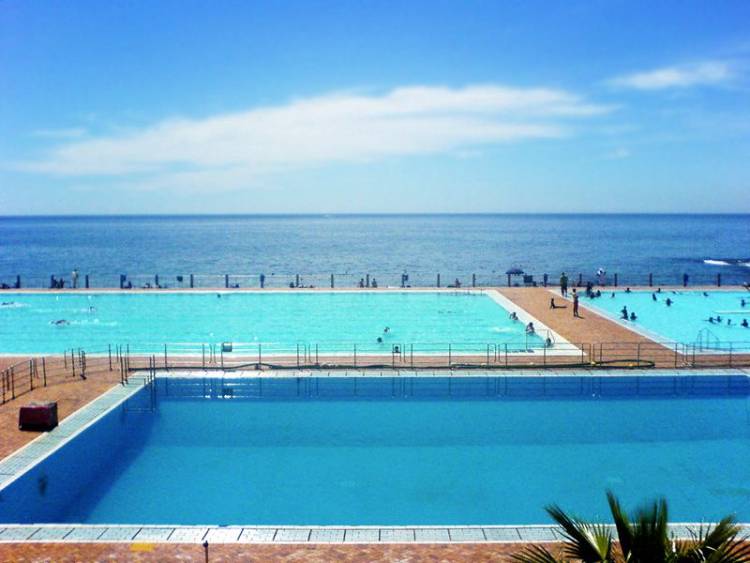
No fishing methods are truly target specific, and often animals that should never come in contact with the fishing industry, such as sea turtles and birds, are accidentally captured and killed. The Food and Agriculture Organization (FAO) of the United Nations estimates that 27 million tonnes of non-target species are captured every year across the world.
Read more about by-catch here.
Upsetting the balance

Because of the increasing quantities of carbon dioxide (CO₂) being pushed into the earth’s atmosphere, our oceans are slowly becoming more acidic. This newly discovered phenomenon, termed ocean acidification, has been described by experts as the evil twin of global warming and the most important scientific crisis we face today.
Read more about ocean acidification here.
Water, water everywhere
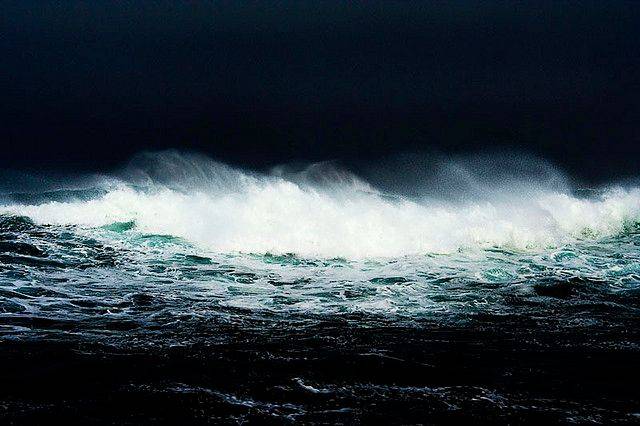
Water makes up roughly 75% of the earth’s surface, but it’s not all about oceans. At the Two Oceans Aquarium we also care deeply about estuaries and wetlands, as these are nature’s own purification centres. That’s why, in September last year, we helped clean up Zandvlei estuary.
Read more about our trash-trashing actions here.
How is the global demand for food evolving?
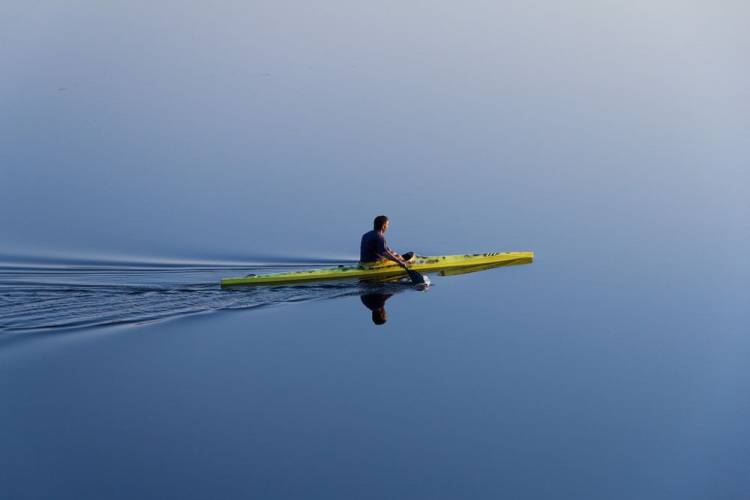
According to UNW: “There are over 7 billion people to feed on the planet today and another 2 billion are expected to join by 2050. This means that 70% more food will be needed, up to 100% in developing countries.
“With rapid urbanisation and incomes increase, diets are shifting. Meat consumption in particular is expected to rise from 37 kg per person per year in 1999/2001 to 52 kg in 2050 (from 27 to 44 kg in developing countries), implying that much of the additional crop production will be used as feed for livestock production. For example, 80% of the additional 480 million tonnes of maize produced annually by 2050 would be for animal feeds, and soybean production would need to increase by a hefty 140%, to reach 515 million tonnes by 2050.”
How does water scarcity affect our food security?

“Water scarcity already affects every continent and more than 40% of the people on our planet. By 2025, 1.8 billion people will be living in countries or regions with absolute water scarcity, and two-thirds of the world’s population could be living under water stressed conditions. The lack of water limits farmers’ ability to produce enough food to eat or earn a living. South Asia, East Asia and the Middle East for example are already close to their resources limits, and their population is still growing,” says the UNW.
Let’s all spare a special thought for H20 today.
Stay in touch: For daily Aquarium updates, follow us on Twitter (@2OceansAquarium) and become a fan on Facebook.