
Reasons to feel good: turtles have their very own international commemorative day – World Turtle Day – and it's today!
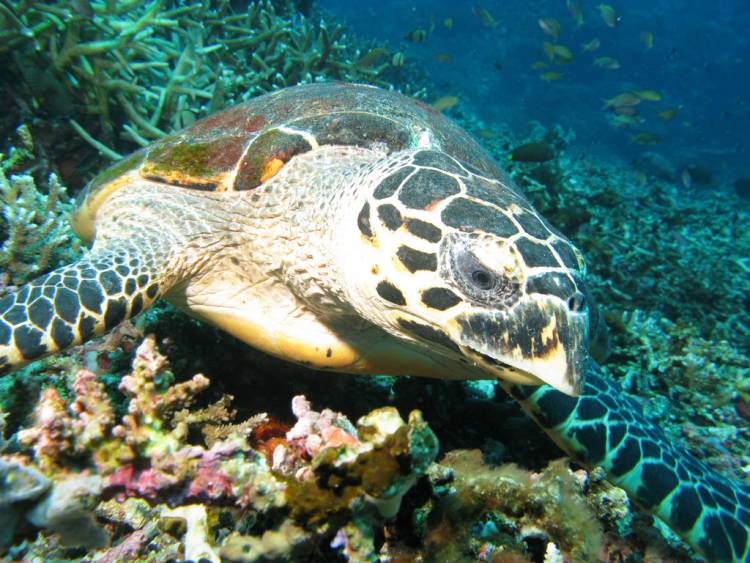
Reasons to worry: All seven turtle species that live in the world’s ocean and breed on our coasts are threatened by human activity:
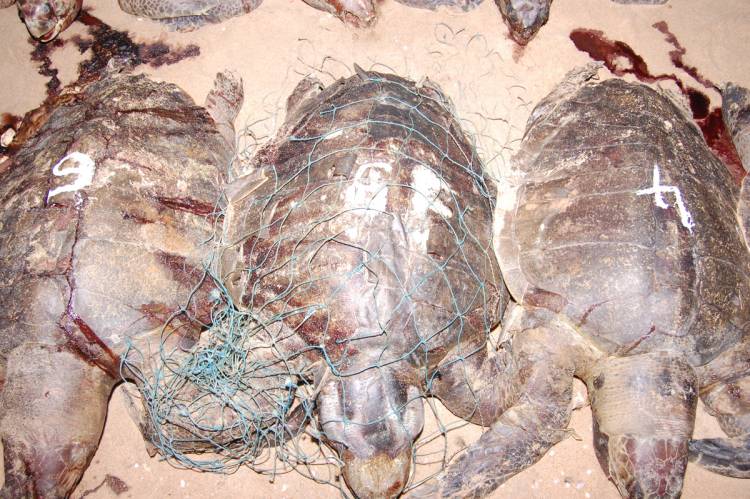
- The world’s turtles fall victim to bad fishing practices and become bycatch (which refers to the incidental capture of non-target species when fishing)
- Turtles are caught and traded illegally for their eggs, meat and shells
- Uncontrolled development and "coastal armouring" destroy or disturb their nesting beaches and breeding behaviour
- Climate change – and associated temperature increases on land and in the water – is believed to skew sex ratios, resulting in more females (not good for breeding populations)
- Turtles are ingesting plastic that enters the ocean and this often contributes to their untimely death, according to research we conducted in collaboration with the Percy Fitzpatrick Institute at the University of Cape Town and the Nelson Mandela Metropolitan University
This World Turtle Day, we’re asking you to help us help turtles by donating to our turtle rehab and rehabilitation programme.
The work we do
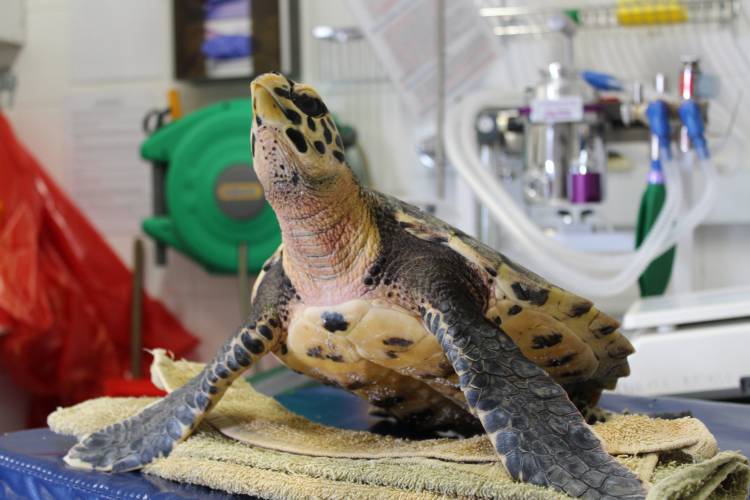
The Two Oceans Aquarium rehabilitates and releases many turtles every year. These turtles, mostly loggerhead hatchlings (but the occasional juvenile, sub-adult and adult green, olive ridley, hawksbill and leatherback, too), are brought to us during the winter months, when the incidence of turtle strandings increases.
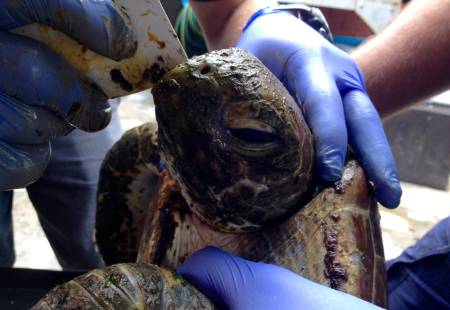
Turtle rehabilitation requires specialist work. Our resident vet Dr Georgina Cole and our turtle rescue team members Kevin Spiby and Nicholas Nicolle ensure that turtles are given the best possible treatment to get them back into the sea. This treatment includes a dedicated quarantine facility, constant observation, blood biopsies, special tube-feeding, and even the occasional CT scan.
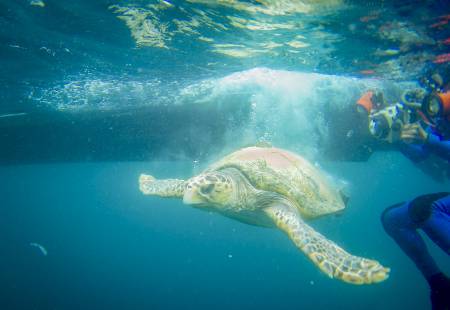
Once they’re ready, we go to great lengths to release turtles in the best position. Sometimes we fly them to Durban; or sometimes we travel 30 nautical miles off Cape Point in summer, where and when the water is warmer (turtles like their water warm).
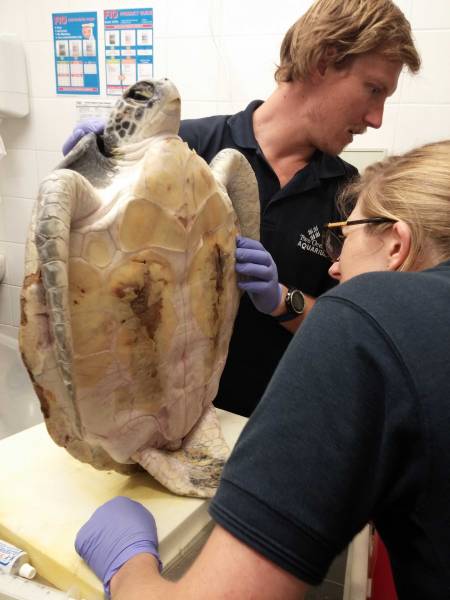
Some turtles take a while to get back to optimal health. Like Bob, who came to us severely ill. Now, a year and a half of treatment later, we are still unable to release Bob back into the wild – he (or she, we’re not sure) has not bounced back from severe bruising, buoyancy issues and a partial diet of plastic, and unlike many other success stories, we’re not confident that Bob can make it out on the high seas.
Along with Bob, we’re also looking after two other green sea turtles and an olive ridley turtle. During the 2016 season so far, we’ve already received more than 40 loggerhead hatchlings. They’re being monitored closely and treated with utmost care.
You can help us do this life-saving work by making a donation online.
Two turtles’ tagged travels
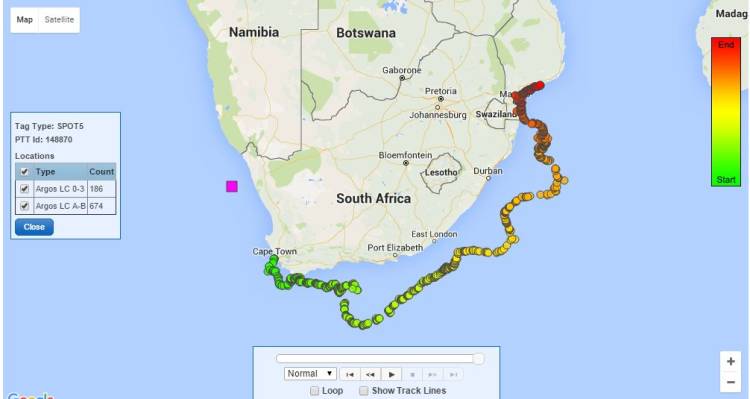
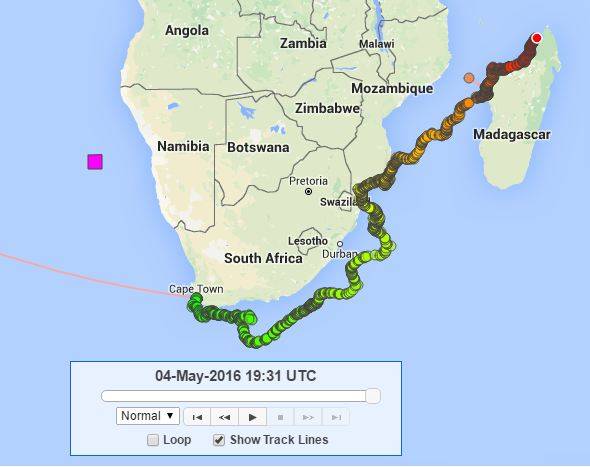
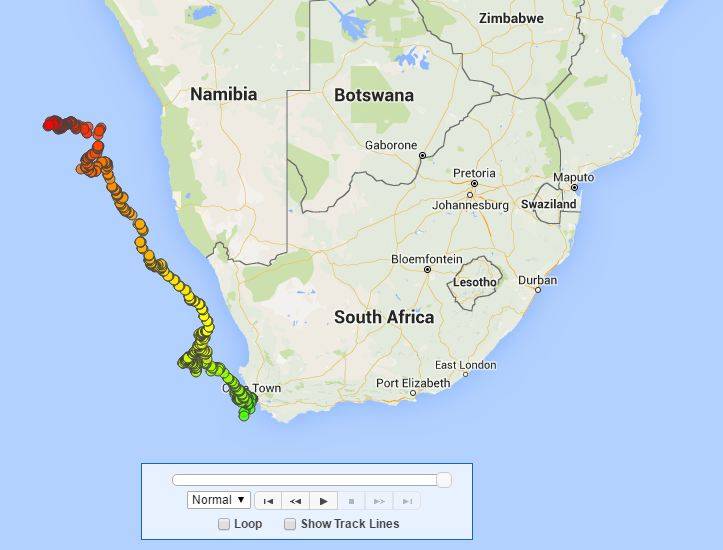
You may have read about Otto and Winston, two hawksbill turtles, that we released back into the ocean in December 2015. The Department of Environmental Affairs’ Oceans and Coasts unit helped us fit satellite tags onto these two turtles and we’ve been able to track their journeys.
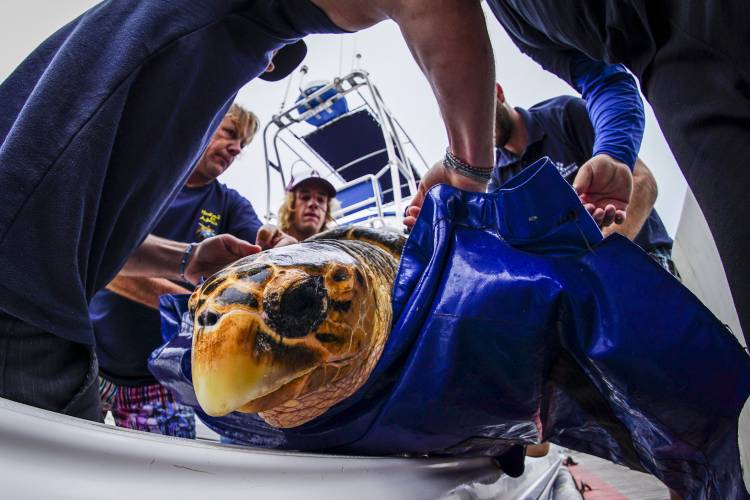
From Cape Point, Otto went east. By February, Otto had just crossed the South African “border” into Mozambican water…
Then, in March, her tag data indicated that she was crossing the Mozambican Channel and, by the looks of things, heading to Madagascar.
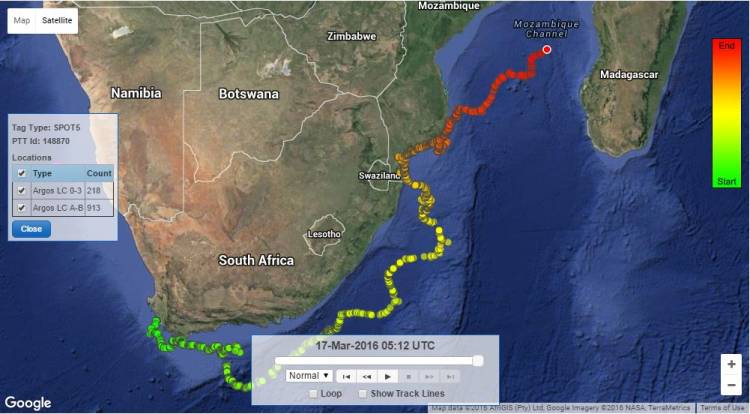
Our latest update came earlier this month and it would appear that Otto is enjoying the warm water and beautiful scenery along the coast of Madagascar. The coast of northern Madagascar, in particular the Nosy Hara region, is a conservation hotspot for nesting populations of hawksbill turtles, so we’re curious what exactly Otto – a female – is swimming there to do! Hmm...
Winston, on the other hand, went west in December and by now has moved offshore quite a bit – he is almost parallel to Walvis Bay in Namibia.
What you can do to help turtles
- If you come across a stranded turtle, follow the steps listed here
- Act responsibly with your household waste; even better, make a pledge to ban the single-use plastic bag from your life!
- Eat only sustainably caught seafood that’s bycatch free
- Consider making a donation to our rehab-and-release programme; even small amounts make a huge difference
Oh, and smile! Yoshi, the loggerhead turtle at the Two Oceans Aquarium, loves it when you do that.