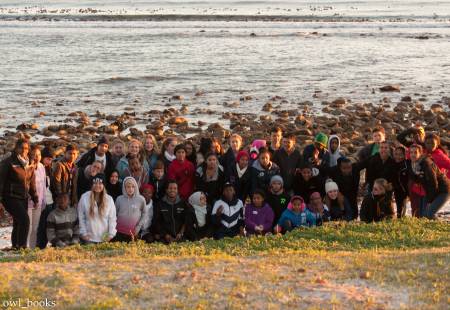

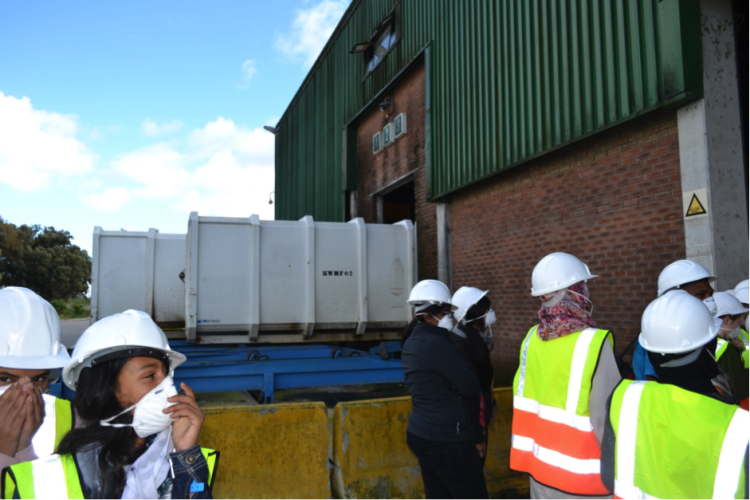
On 29 June 2016, as part of the “waste” lesson section of the Smart Living Course for grade 7s, myself [Two Oceans Aquarium Outreach Educator Anzio Abels] and the course participants visited the Kraaifontein Intergrated Waste Management Facility (KIWMF).
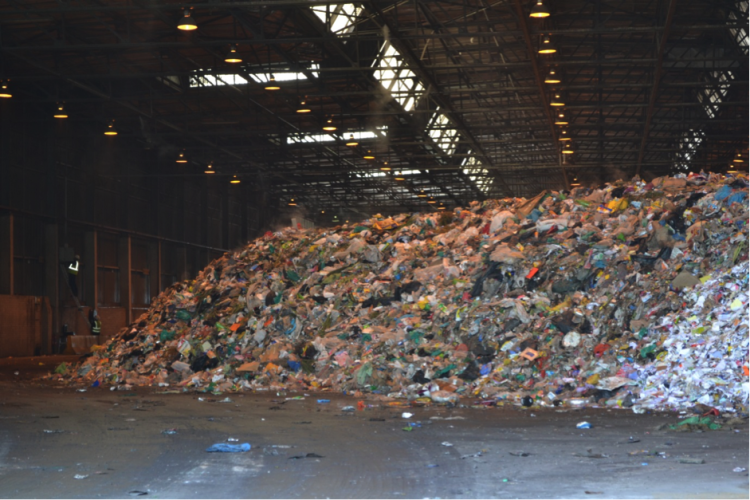
The KIWMF is a multipurpose waste disposal site where various types of waste is processed to either be composted, recycled, or disposed of at a landfill. The site is managed by the City of Cape Town but is operated by WastePlan, a company that specialises in recycling and the reduction of waste to landfill.
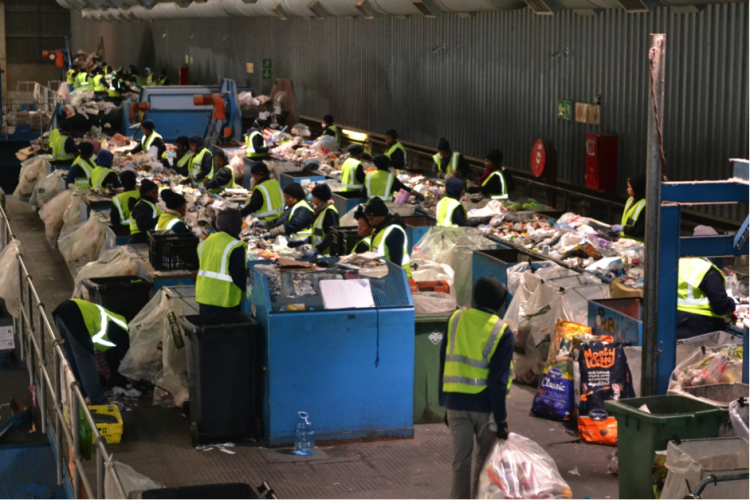
The facility processes waste from just under a million people from the northern suburbs and other places where WastePlan collects waste, including the Two Oceans Aquarium. The facility’s refuse transfer station processes around 1 000 tons of waste every day, which is dropped off by City and contracted refuse collection service providers.
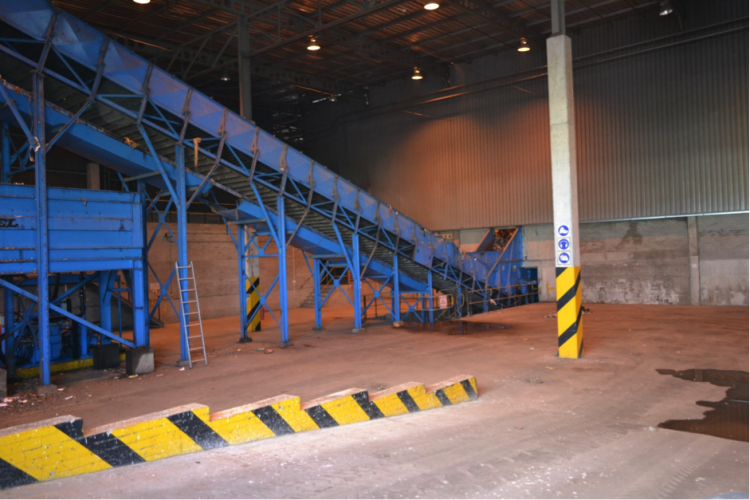
All general waste is accepted, except for hazardous and medical waste. Garage waste, clean garden waste, motor oil, cans, metal, cardboard, glass, plastic, e-waste, clean builder's rubble, polystyrene and tetrapak are all accepted at the public drop-off facility, which is also situated on the site.
All recyclable waste is hand sorted, separated and put into bales which is then sold to producers, where it either starts a new life cycle as a bottle or paper, or is used as raw material to create products like roof tiles or building bricks. Garden waste is turned into compost on site.
The waste that cannot be recycled is compacted into large containers and transferred via rail to the Vissershok landfill site.
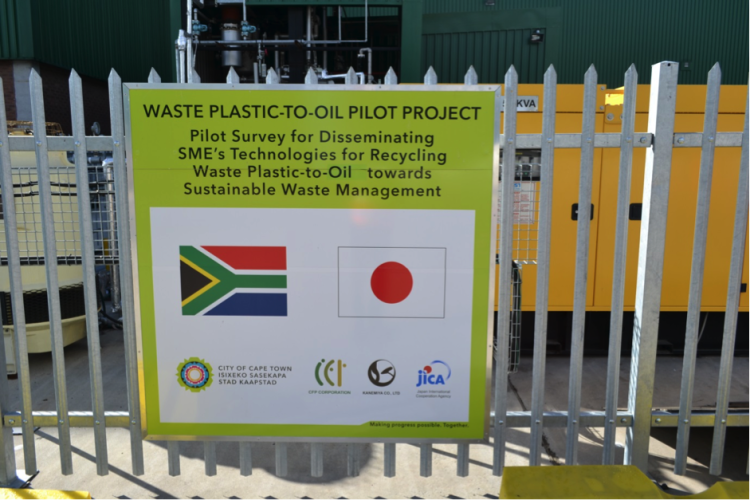
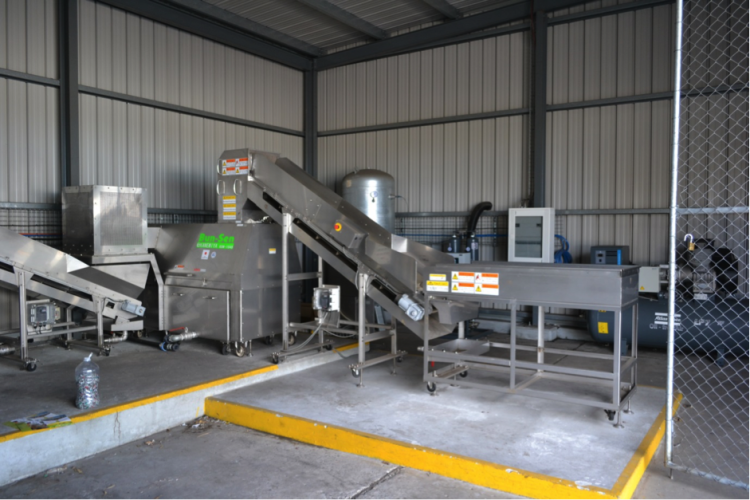
A highlight of the KIWMF is the on-site plastic waste-to-oil processing facility, where plastic is turned into fuel to run the on-site machinery. Polyethylene, polypropylene and polystyrene is washed, shredded, heated and converted to oil. The yield from 500kg of plastic materials per day works out to approximately 500 litres of fuel! About 70% of fuel produced by the plant is channelled back into the running of the plant. The rest is used to power any other machinery that runs on diesel.
Facilities like the KIWMF are integral in reducing the amount of waste that ends up in landfill. In Cape Town there are currently three landfill sites in operation, with lifespans varying from just five to 13 years. It is becoming increasingly challenging to find suitable areas for landfill sites in our city, so by reducing the amount of waste that goes to landfill - by recycling as much as we can - we can overcome this challenge.