The United Nations declared June 5 World Environment Day to highlight the importance of a number of environmental issues. The theme this year is “Think.Eat.Save”, and encourages us to think about the issue of wasting food.
According to the UN Food and Agriculture Organisation, every year 1.3-billion tonnes of food is wasted. This is equal to all the food produced in sub-Saharan Africa. At the same time, one in every seven people in the world goes to bed hungry, while more than 20 000 children under the age of five die daily from hunger.
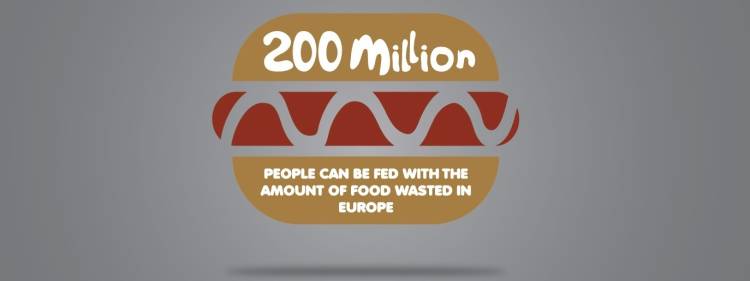
Not only does this tell us that there is a big problem with distributing food globally, but that the environmental toll that food production takes on the environment is often for nothing. Global food production occupies 25% of all habitable land and is responsible for 70% of freshwater consumption, 80% of deforestation, and 30% of greenhouse gas emissions. It is the largest single driver of biodiversity loss and land-use change.
It takes a lot to feed all seven billion of us. But that’s why the small changes that can be made within your home do help, and the power of collective decision-making about the environment can ease the pressure over time.
What you can do
Make an informed decision – purposefully select foods that have less of an environmental impact, such as organic foods that do not use chemicals in the production process. Choosing to buy locally can also mean that foods are not flown halfway across the world, thereby helping limit emissions.
This is particularly relevant to seafood. Fish stocks are dangerously low, and many species face extinction. Know what’s on your plate before you eat it! Supporting the Southern African Sustainable Seafood Initiative (SASSI) is one way to do this. In 2007 SASSI, together with the Responsible Fisheries Programme, ensured that there is a chain of custody all the way from a fisherman’s hook to your dinner plate. You, the consumer, are the one that can make the right choice by only buying green-listed fish in the supermarket or in a restaurant.
By refusing to buy anything that is not green-listed, you are making sure that there is no demand for it, and so retailers and fishermen will not want to source this type of seafood anymore. SASSI is all about informed choices and demand for a certain species. By making a green choice and asking the right questions, you are helping our fish population one step at a time. See the latest SASSI Pocket Guide here.
See also: Why I don’t eat fish
Make the decision even easier by paying a visit to the Shoreline Café at the Two Oceans Aquarium – the first restaurant in Africa to be awarded Chain-of-Custody certification from the Marine Stewardship Council (MSC). The MSC is a global organisation working with fisheries, seafood companies, scientists, conservation groups and the public to promote the best environmental choice in seafood.
More food-saving tips from “green blogger” Charles Immanuel Akhimien:
- Think and make a list. By using a list I only buy the food items I really need
- Grow your own food. I have a vegetable garden and I hardly waste my own produce due to the thought of all that effort I put in going to waste
- Don’t shop on an empty stomach. From personal experience, you buy more food when you are hungry, and usually it is food that you don’t need
- Plan each meal. This helps you to utilise the food you have at hand
- Prepare the appropriate quantity. Even if you’re a “foodie” like I am, you still have a limit to what your stomach can accommodate
- Eat food while it is still fresh
- Consume leftovers first
Events happening around Cape Town
In Cape Town, you can join the volunteers participating in the Milnerton Beach Clean-Up at 09h00. Meet at the lagoon bridge parking lot and walk along the beach to Woodbridge. Bring black bags, wellies/takkies, a warm waterproof jumper and gloves. Find out more information about the event here.
Stay in touch: for daily Aquarium updates, follow us on Twitter (@2OceansAquarium) and become a fan on Facebook.