
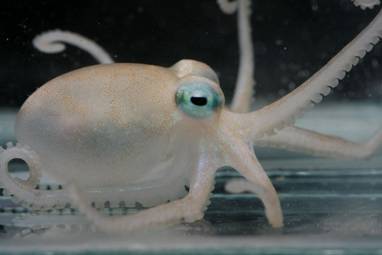
Just when you thought things couldn’t get any weirder or any more wonderful, along comes a new species of octopus – four to be exact – with venom that works in sub-zero temperatures!
We were absolutely captivated by the news that four new octopus species had been discovered in the Antarctic by an international team of researchers from the University of Melbourne, the Norwegian University of Science and Technology and the University of Hamburg.
Led by Dr Bryan Fry from the Bio21 Institute, the team collected 203 octopuses from Antarctic waters. By conducting a genetic analysis of each specimen, the researchers identified four new species.
The researchers were blown away by “the sheer biodiversity and how natural selection changed the way they hunted and the nature of their venom,” according to a report in the Vancouver Sun. “We found that venom can work at sub-zero temperatures. It was quite remarkable to find how well octopuses have adapted to Antarctic life,” Fry told the newspaper. Octopuses found ranged from the small – around 5 centimetres in length – to the giant-sized.
These latest findings can lead to giant strides in the world of medicine. “Venom has long been recognised as a potentially valuable resource for drug development,” said online wildlife magazine, Wildlife Extra. “Scientists have only recently discovered the largely untapped resource cephalopods such as octopuses, cuttlefish and squid, possess in their unique venom properties – especially the species that live in sub-zero temperatures.”
Venom from other members of the animal kingdom has already been used for medicinal purposes. For example, a certain diabetes drug is derived from the chemistry of saliva of the Gila monster, a North American lizard.
So it turns out that octopuses are useful for more than the occasional, irreverent soccer match prediction.