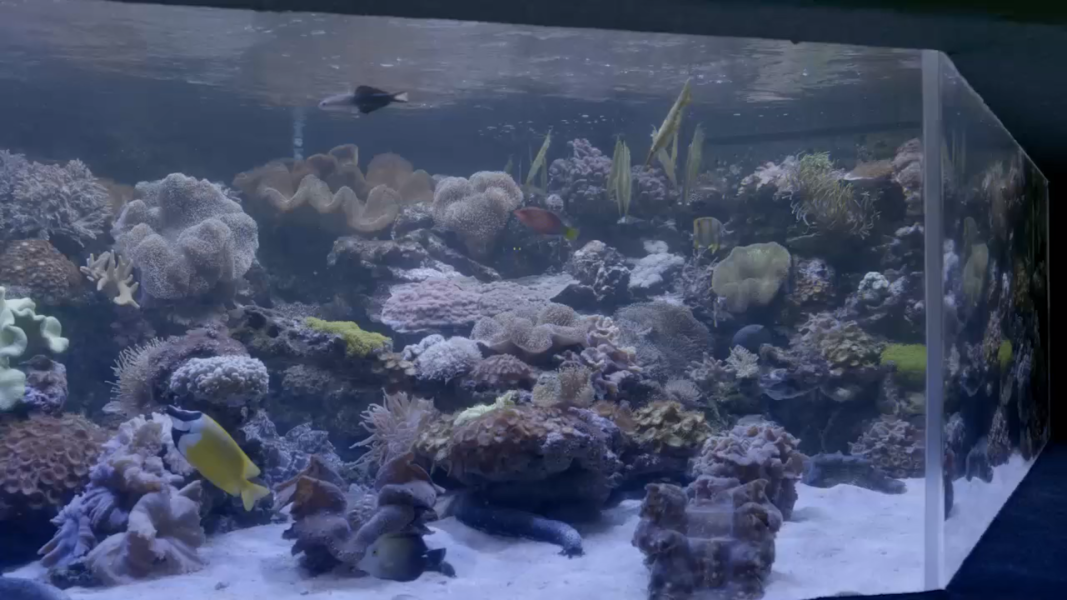

Coral reefs provide crucial habitats for a myriad of ocean creatures. M-Net's The Wild Ones gave audiences insight into the Two Oceans Aquarium's "frag tank", living coral exhibit and into the work done by the aquarists caring for these animals.
Yes, you read right - corals are animals! Let's chat to Aquarist Krish Lewis about how these exotic creatures live in the ocean and the threats they face.
Krish, what is a coral?
Krish: Corals are essentially colonial sea anemones that either live inside a calcareous skeleton which they excrete, or without one. They share their bodies with symbiotic microorganisms which make more than 90% of the corals' food.
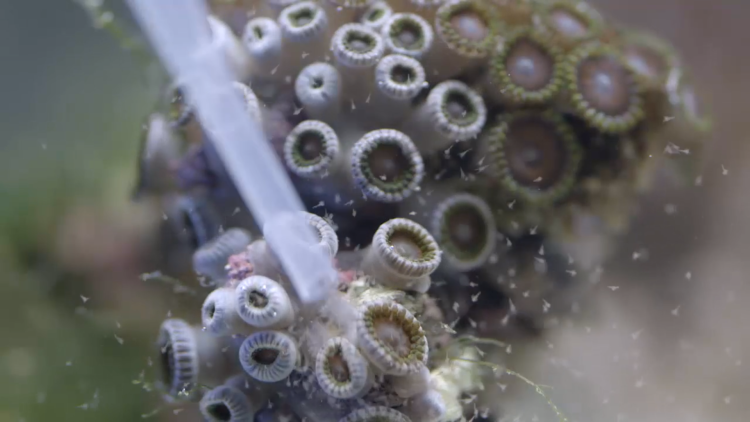
They are related to jellies because they have the same body plan. That's the same cup-like shape with the same shared mouth and exit (or a "manus" as I like to call it), and tentacles with stinging cells called cnidomes.

Tell us more about this symbiosis
Krish: Corals live in very clear water with very good living conditions - pristine water. Clear water means that there is not a lot of zooplankton floating around, so these animals have had to adapt a different way of foraging.
Tiny dinoflagelates called zooxanthellae act like solar panels and convert the sun's energy into a form that the corals' bodies can use colonise the corals' polyps. Because the water is so clear, they can photosynthesise all year round as long as the sun is shining.
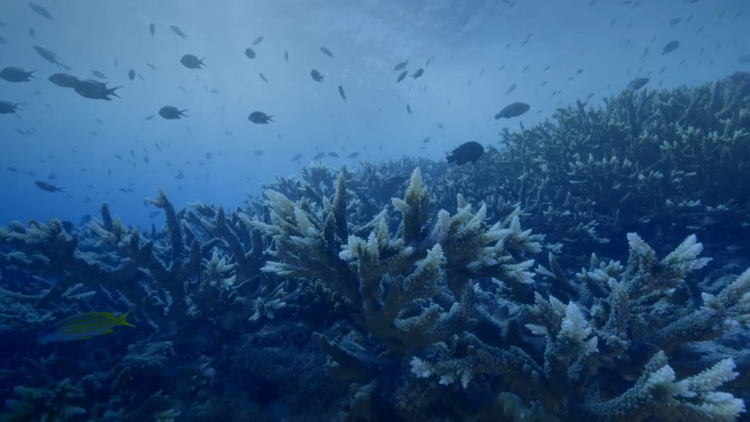
As the zooxanthellae in the coral's tissue photosynthesise they provide the corals with 90% of the energy they need to grow. In turn, the corals provide the zooxanthellae with waste products, including the carbon needed for photosynthesis.
The zooxanthellae are actually what give the coral their colours. Like human, when we sit in the sun we tend to tan. Corals generally get brighter and darker the more intense the light is, because they have these proteins in their tissues that act as a sunscreen to protect the zooxanthellae from UV radiation.
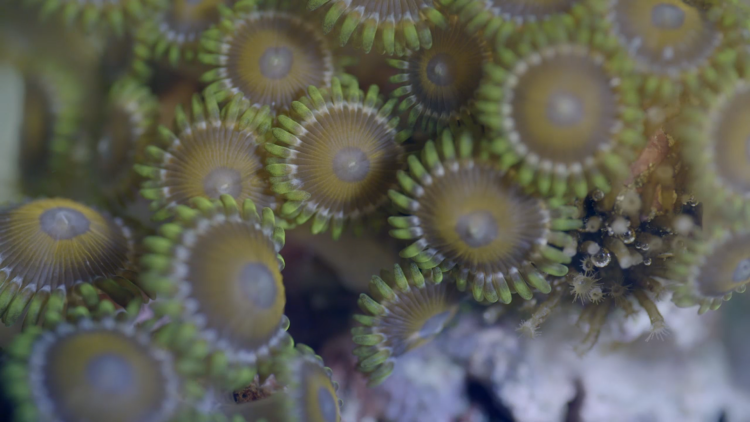
And what is coral bleaching? Why are the reefs dying?
Krish: Coral bleaching is quite similar to when a human gets sunstroke. The coral stresses out and the zooxanthellae which normally inhabits its tissues and produce all its energy become toxic to the coral. To protect itself, the coral then ejects the zooxanthellae, leaving them pale in colour.

This is caused by a change in the water parameters - it either got too hot or too cold and the zoothanthallae could not be maintained anymore. If these conditions stay poor, the corals will starve - they will have lost 90% of their food source and will become weaker. Algae which can tolerate these poor conditions colonise the surface of the coral, blocking the sunlight - essentially choking the coral.

At the current rate of climate change and rise in ocean temperatures, only 10% of the world’s corals will survive beyond the next 30 years
Just because a coral becomes bleached does not mean it dies. If the water conditions become more favourable in a relatively short period of time new zooxanthellae can recolonise the coral, allowing it to regain its colour and prevent it from starving.
Anything else we should know about corals?
Krish: Not all corals are the same. There are three main groups of corals that you might see people keeping. There are soft corals which have these spicules or sclerites that form their body structure and allows them to wave around in the current.

Small polyp stony (SPS) corals have a stone-like skeleton. They are the most sensitive corals and the ones that will bleach first. They are the most difficult to keep at the Aquarium.

Lastly there are the large polyp stony (LPS) corals, which have large anemone-like polyps. They have calcareous skeleton structures. LPS and soft corals are the ones that people like to keep in home aquariums.

As always, thanks for taking the time to share your knowledge and insight Krish.
If you'd like to explore the wonderful world of coral (without getting wet), make a stop at the coral exhibit in the Skretting Diversity Gallery on your next Aquarium visit.