
Down in the I&J Children's Play Centre, across from the kiddies sandpit and puppet show theatre lies one of the Two Oceans Aquarium's new hidden gems.
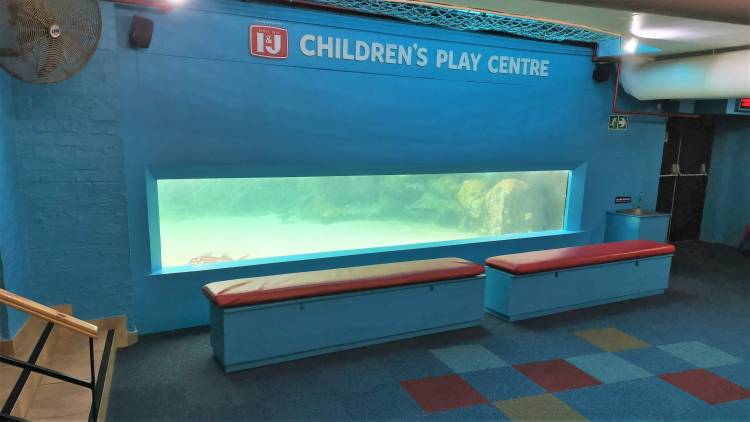
This tucked-away exhibit is the culmination of months of work by our committed team of Aquarium superheroes to restore life and colour to the rarely used former Seal Pool, penguin playpen and turtle rehabilitation pond.
With a lot of teamwork and elbow grease, we were able to turn this:
.gif)
Into this:
.gif)
This new shallow-water exhibit is home to a group of young eagle rays, blue stingrays and unusual looking elephantfish! This will become a temporary home for animals too large to live in the indoor exhibits of the Skretting Diversity Gallery, but not yet large enough to move into our large displays, like the I&J Ocean Exhibit, or be released.
Watch this space for regular changes!
Meet the animals:
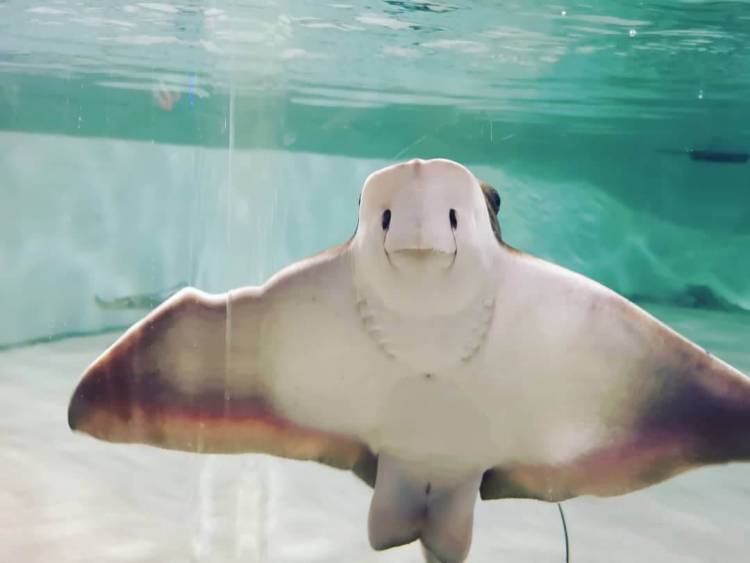
Eagle rays (Myliobatis aquila)
Like sharks, rays have cartilaginous skeletons. Eagle rays are found in the Mediterranean, the eastern Atlantic and around our south coast to KwaZulu-Natal. Often caught in trawl nets at depths of up to 95m.
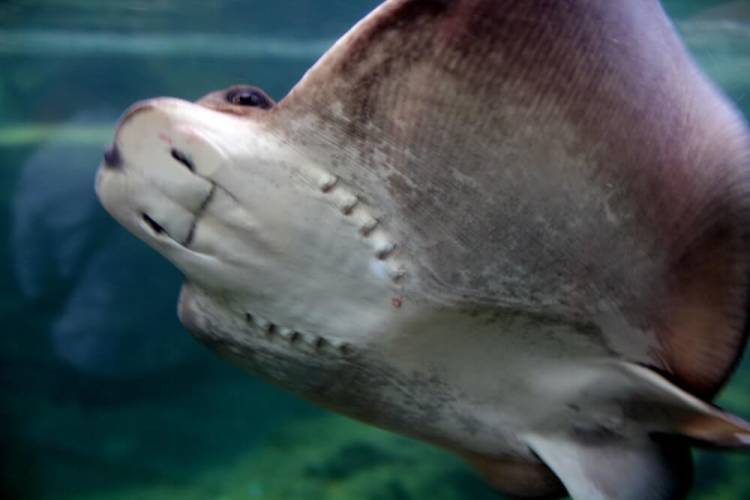
Eagle rays are bottom-dwellers which use flat, pavement-like teeth to dig up buried molluscs and shellfish.
Cape elephantfish (Callorhinchus capensis)
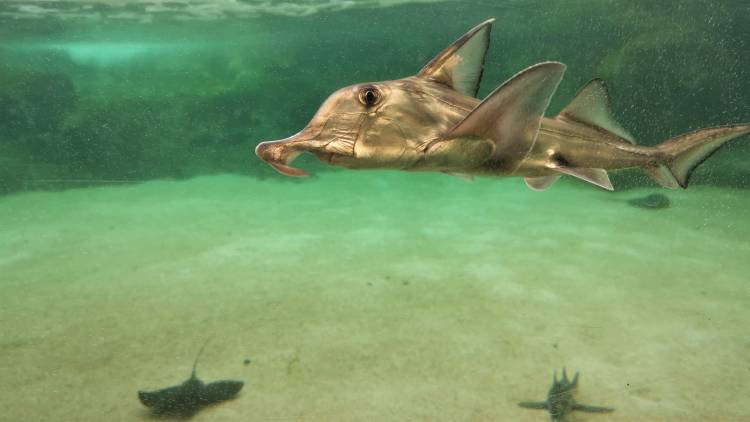
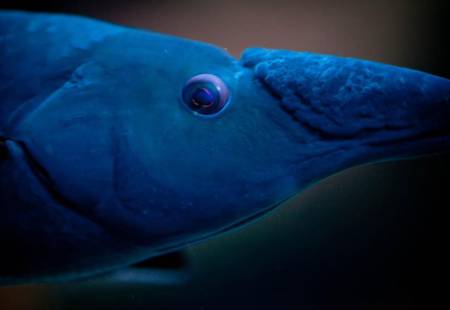
Small, silver and scaleless with a trunk-like snout - there is no denying that Cape elephantfish, also known as St Joseph sharks, are unusual-looking fish. Their bodies are soft, their heads are large and they only have a single gill opening on each side.
.gif)
Their unusually long snout is an advanced sensory organ they use to detect prey. They also have a venomous spine protruding from their dorsal fin that is used for self-defence.
Blue stingrays (Dasyatis chrysonota)
Like other rays, uniquely Southern African blue stingrays use electro-receptors and highly developed senses of smell and touch to find molluscs, crustaceans, worms and small fishes, which they crush with flattened teeth.
_750_500_70.jpeg)
Unlike the eagle ray, which digs up its prey, large blue stingrays will land on top of prey that is on the surface of the seabed, and quickly suck them into their mouths.
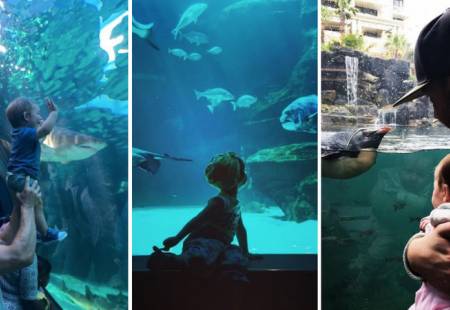
Which of these animals is your little one's favourite? Be sure to pay this new exhibit a visit on your next stop at the I&J Children's Play Centre.
_450_310_70_s_c1_c_t.jpg)