
Protecting the ocean is no easy task. Even though many Marine Protected Areas (MPAs) exist, they aren't all the same - differences in protections, implementations and scopes mean that it is difficult to compare the successes or failures of MPAs. Critically, this has meant that working with governments and policy-makers to plan, establish and evaluate MPAs has been difficult, and it hasn't been easy to objectively motivate the need for MPAs. But, now that has changed!
Thanks to the efforts of 42 marine and social scientists, The MPA Guide: A Framework to Achieve Global Goals for the Ocean has been launched in Science (you can read it here). The Guide sets a common language for the conversation around MPAs, allowing the conservation community to better understand ocean protections and get us closer to the goals of reversing biodiversity loss in our ocean ecosystems.
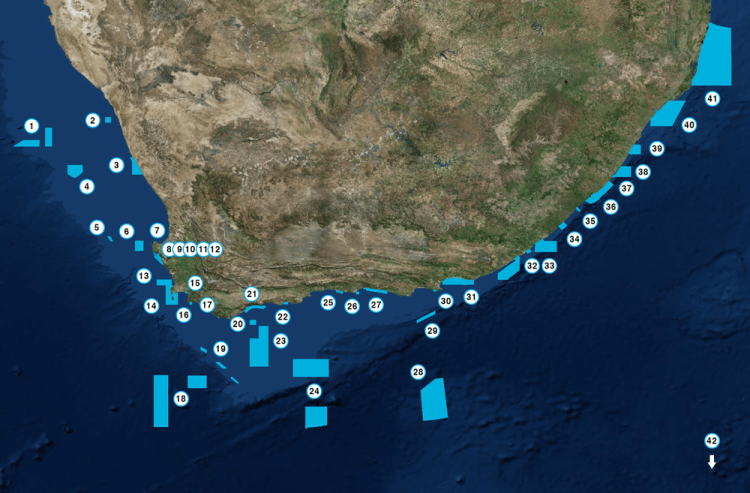
We at the Two Oceans Aquarium are incredibly excited about all of this! As we approach 2030, the goal of protecting 30% of our planet's oceans urgently needs to be cemented at the 2022 Convention on Biological Diversity. We've seen the incredible successes of properly managed MPAs here in South Africa, and really hope that these critical tools for conservation can now be implemented more easily and effectively.
So what exactly is in the MPA Guide? You can read it for yourself, but in short, the Guide has four main sections:
- Stages of establishment - a common way of describing the progress that has been made in the implementation of an MPA. For example, does it only exist on paper, or is it fully operational?
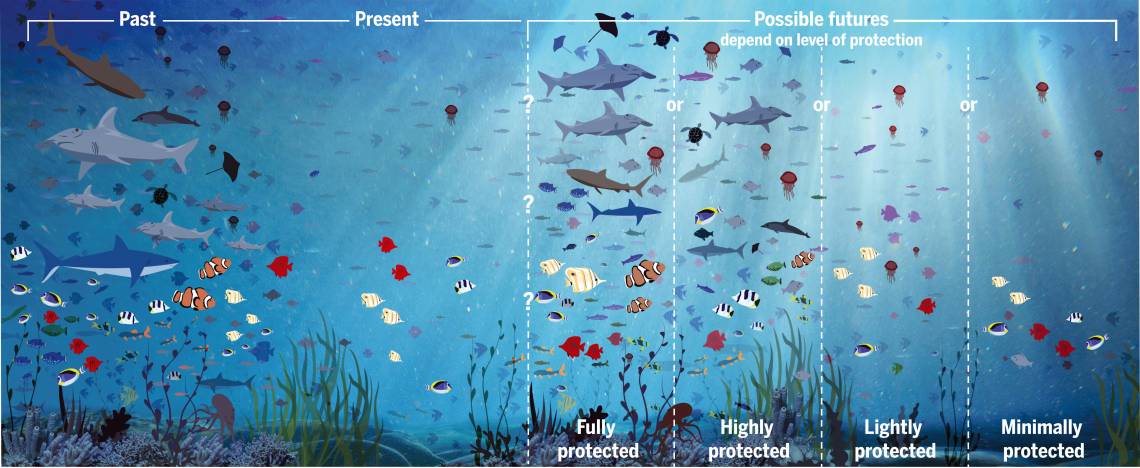
- Levels of protection - standardised ways of classifying the degree of biodiversity protection within an MPA. This solves a problem we've often encountered here in South Africa, where "MPA" refers both to zones where commercial activity has been banned, and zones where some fisheries are permitted.
- Enabling conditions - this section of the guide provides principles and procedures to help plan, design and govern successful MPAs.
- Outcomes - the most important part of the Guide, this explores the social and conservation results that should be expected at different stages of an MPA's implementation, linking with the other sections to enable better reporting of these results, and to help find areas of improvement if expected outcomes are not reached.
The MPA Guide is being put to the test in trials in France, Indonesia and the USA, and updates will be made on an ongoing basis.We're excited to see where this ambitious project goes, and how well South Africa's MPAs hold up to these new standards!