
In partnership with the City of Cape Town, a new class of Grade 7 learners has just completed the Smart Living Course, a five-day exploration of sustainable management of the City's resources - energy, water, waste and biodiversity.
The first day of the course tackled the biodiversity theme. Learners began the day by writing a pre-course assessment, to assess their prior knowledge. During the first few sessions of the day, the term "biodiversity" was unpacked to help students better understand its meaning and emphasize its importance in our everyday lives. We discussed ecosystems, species and genetic diversity, and the learners had the opportunity to explore the Aquarium in the form of a scavenger hunt requiring them to find animals in our various exhibits, which were categorised by some of the new terms they had just learned.
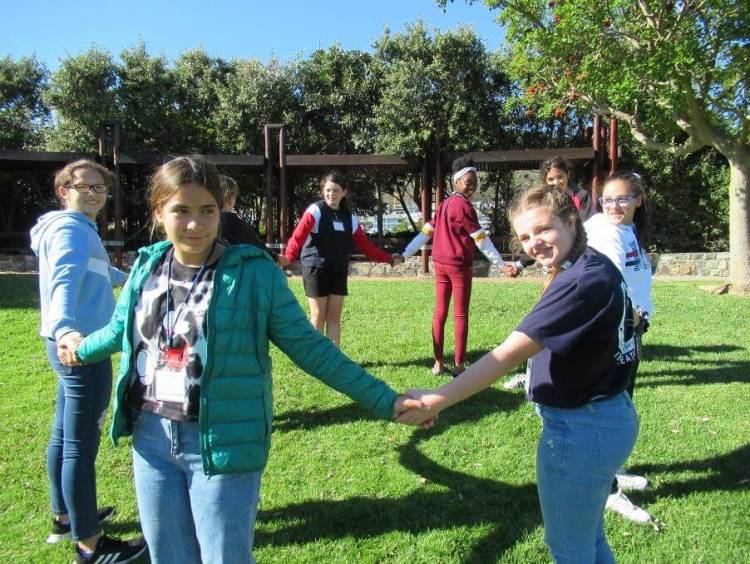
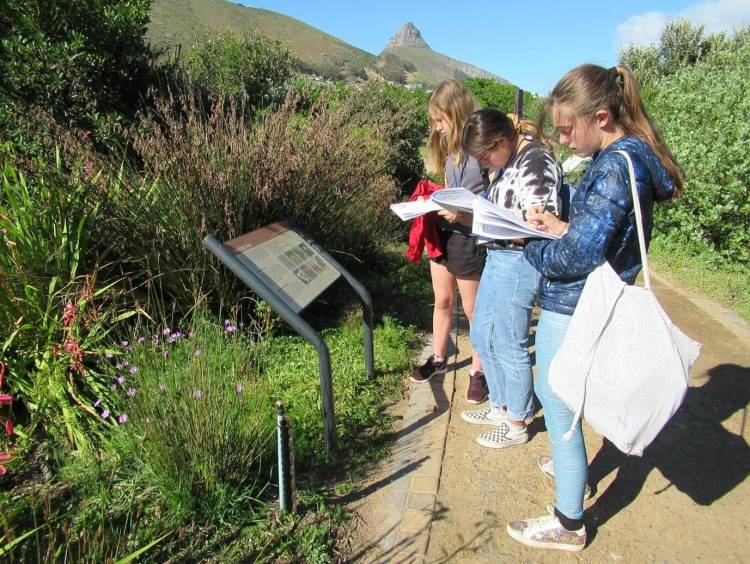
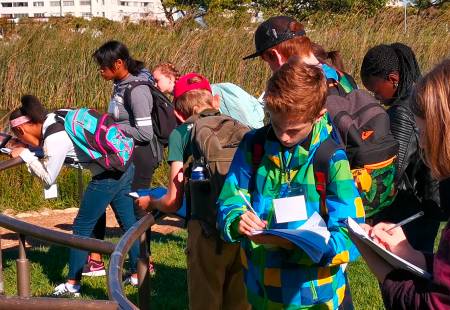
The groups headed to Green Point Park for the second day, to get some hands-on contact with our city's biodiversity. Here we carried out an activity to help the learners understand communicating and working together to solve a problem. This was helpful to explain the intricate balance of an ecosystem and its components.
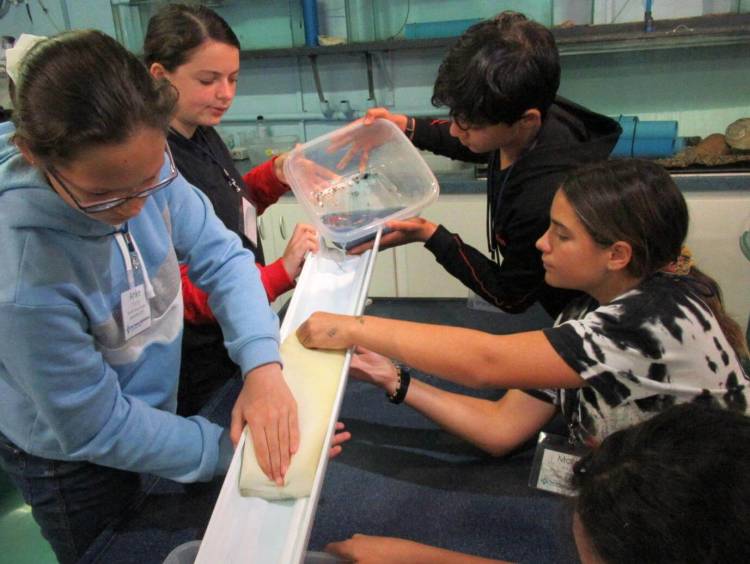
Back at the Aquarium, the learners learned about Marine Protected Areas to end off the Biodiversity portion of the course. The day continued with the topic of "Water", and through a hands-on activity, students had to calculate what percentage of the Earth’s surface is covered in water. They further learned about the states and properties of water, and later the processes by which water moves via the water cycle.
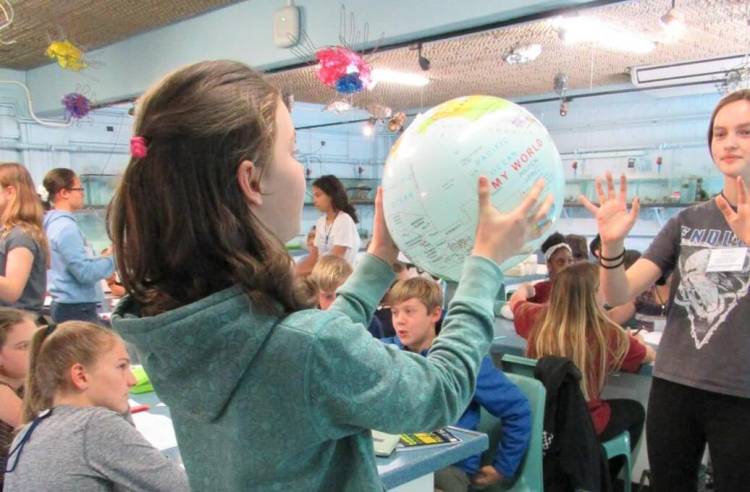
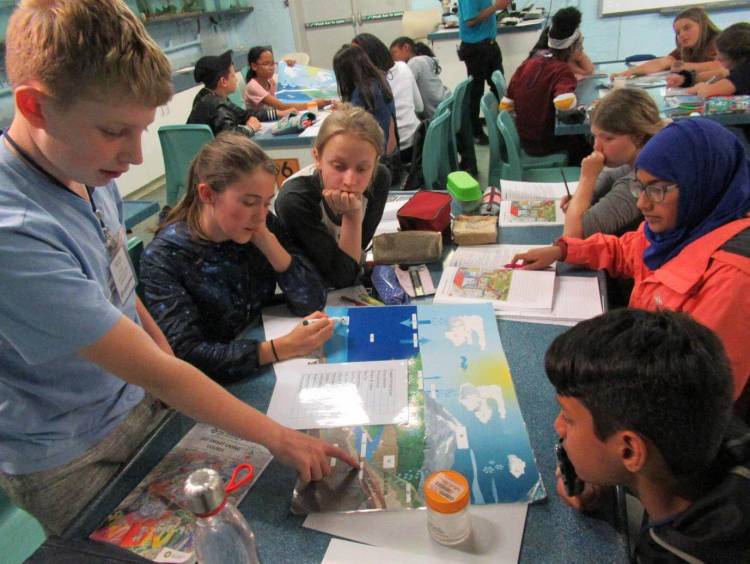
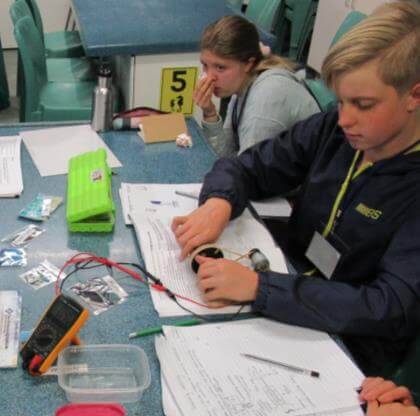
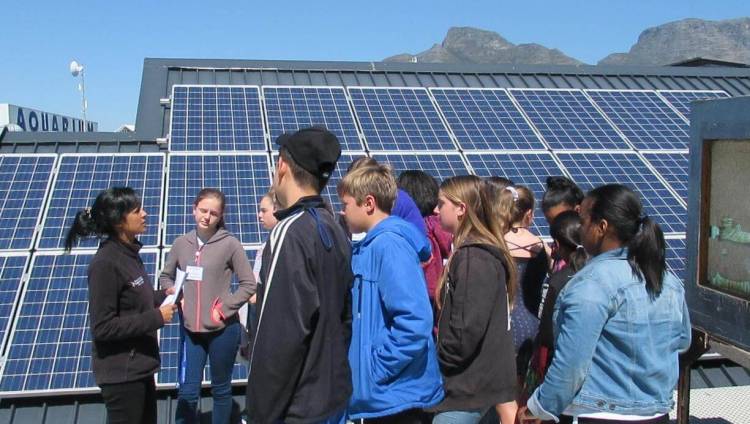
The class focused on "Energy" on the third day. The students learned the definition of energy, some of the different types of energies that exist, and its role in biological systems. This gave insight into energy usage by humans and the generation of electricity. The learners were able to see how generators produce electricity and the application of generators in various power plants and similar structures.

Learners also learned about the benefits and disadvantages of various energy sources for electricity production. Eventually, we covered the topic of climate change and carbon footprints and each student was able to measure their environmental footprint through the use of a worksheet. The day ended off with a behind-the-scenes tour of the Aquarium, highlighting our various sustainable efforts relating to the four themes of Smart Living.
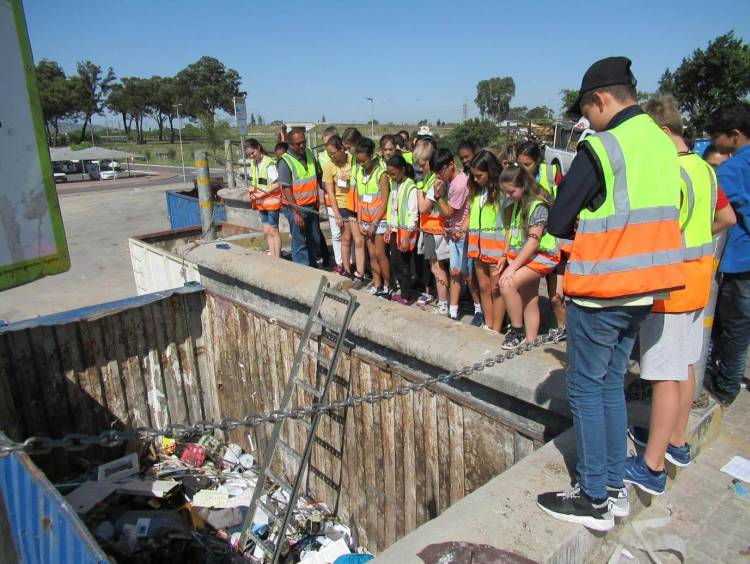
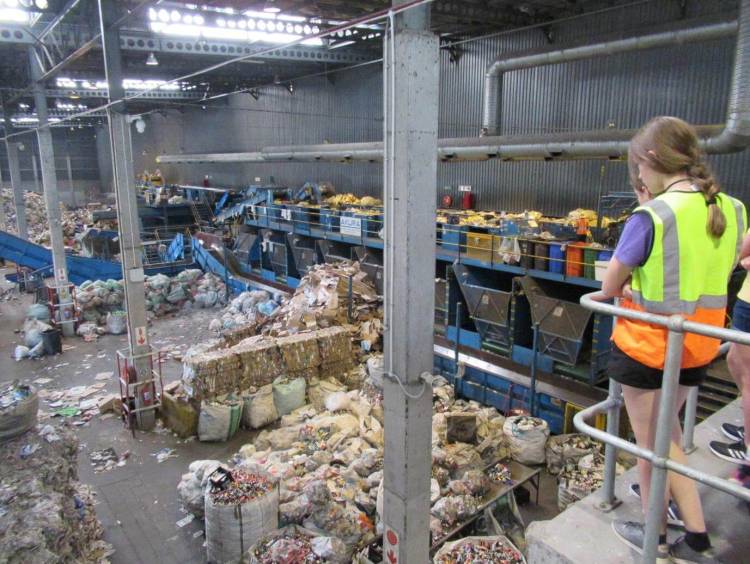
The final theme. "Waste", was examined in-depth on the fourth day, with a visit to the Kraaifontein Integrated Waste Management Facility. After an introduction and safety induction from the facility's site manager, the group went on a tour and everyone saw how waste is processed in various areas and what happens to the waste after being processed. It was a real revelation to most of the students to see what happens to some of Cape Town’s waste.
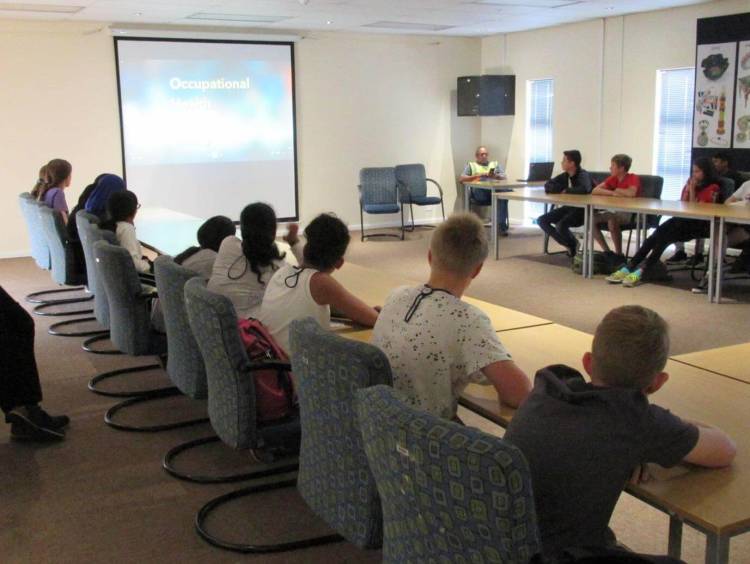
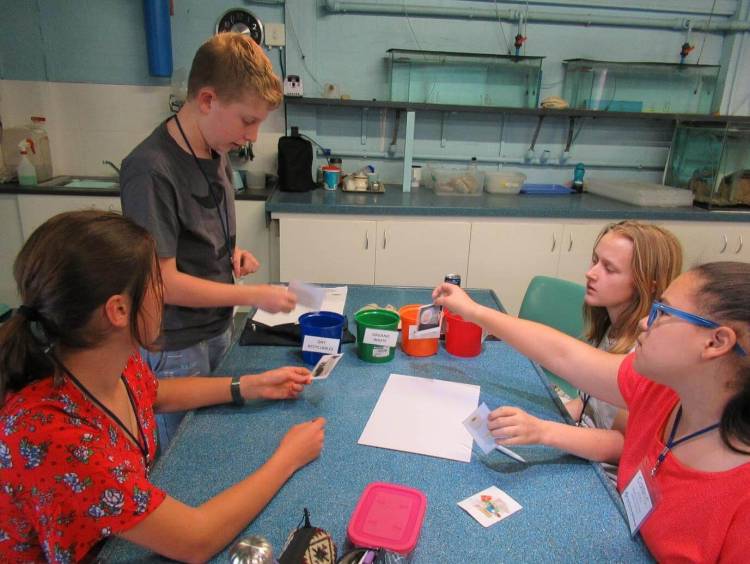
Upon returning to the Aquarium, we talked about different types of wastes and their sources, as well as which types of materials are recyclable. Learners then did a waste sorting activity and further learned about other ways to minimize and manage waste. They also learnt about the five oceanic gyres and the effects of plastic pollution in the ocean.
On the last day, the students wrote a final assessment. From the results, we could see that students left with more knowledge than what they came to the course with. One student even achieved 100% with a 42% improvement from their pre-assessment.

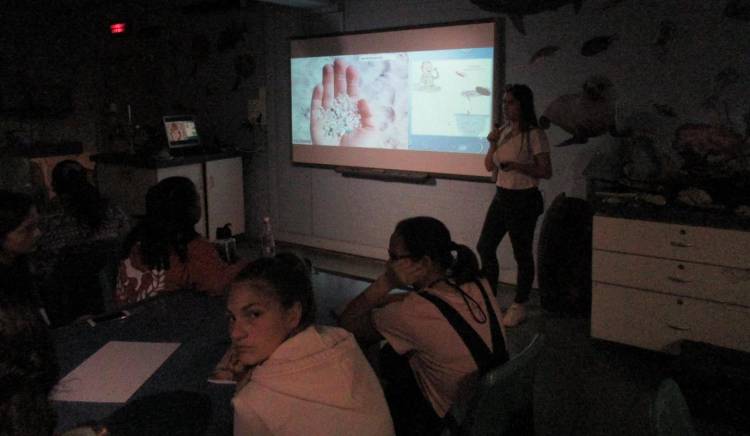
The course concluded with talks about climate change from Ruby Sampson of the African Climate Alliance, and plastic waste in the ocean by Christie Munro (Minimal Waste SA).

The learners returned to the Aquarium a month later to present on the environmental leadership actions that we tasked them with. Most students did some sort of an environmental cleanup, or a talk to a group of their peers.
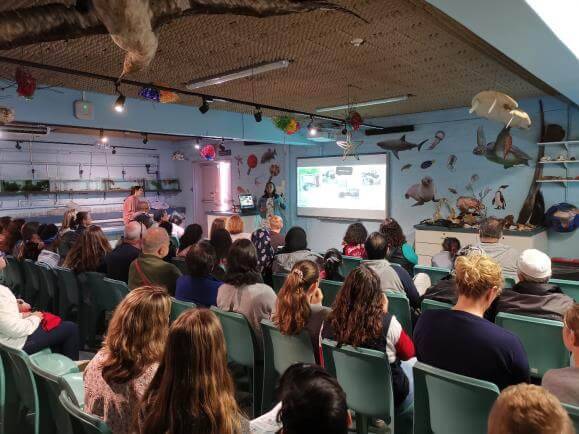
There were. however, some rather unique actions, such as having a “Bike-to-school” day, to reduce the number of cars being used to transport students to school, in turn reducing the environmental impact. One student even went as far as to sort, categorize and source the waste items collected during their cleanup.
During this course, we had the highest number of participants receive the diamond status (over 90% aggregate); seven in total. Overall, the course was a great success.
Learn more about the free courses on offer via our Marine Sciences Academy.
_450_310_70_s_c1_c_t.jpg)