
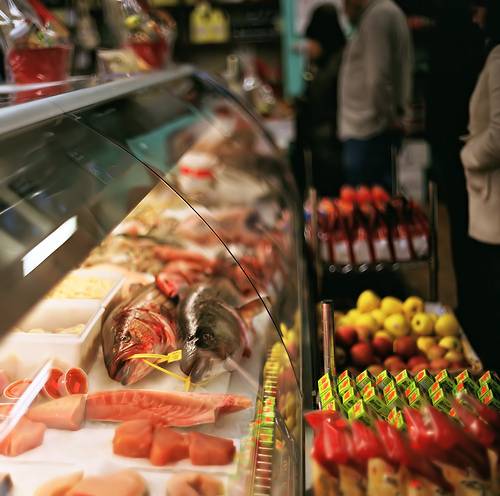
Did you know that seafood is the most globally traded primary commodity in the world? With so many different industry players active on so many different levels – not forgetting you, the consumer – it is necessary to have a consistent methodology to assess both local and imported seafood so that consumers are presented with consistent advice.
To this end, the Southern African Sustainable Seafood Initiative (SASSI) has released a revised pocket guide for responsible seafood consumption (which is available for download at the end of this article).
SASSI has worked closely with the WWF to revise its existing guide and to make sure it lives up to internationally accepted best-practice methodology, developed by a number of international organisations through the Seafood Choices Alliance.
The strength of the new methodology is that, for the first time, a transparent process is in place that identifies where a species or fishery is progressing well, and where the challenges lie. It also clearly outlines how a species or fishery can move toward a “green” status.
Through a three-tiered research approach – of data collection, extensive consultation with local and international experts, and external review – SASSI has developed a user-friendly, colour-coded manual that shows you what to eat and what to avoid when it comes to seafood.
Green marks the most sustainable choices from the healthiest and best-managed seafood populations. These species, which can handle the current fishing pressure, include anchovy, calamari, canned tuna (from selected sources), yellowtail, mussels and oysters, to name a few.
Orange means “think twice” and consumers are asked to exercise caution when opting for these. There are reasons for concern, either because the species is depleted as a result of overfishing and can’t sustain current fishing pressure, or because the fishery that catches them causes particularly severe environmental damage. Orange species include Cape salmon, kingklip, swordfish and prawns.
Species on the red list are off limits! Don’t buy these, as they’re either from unsustainable populations or are illegal to buy or sell in South Arica. No-sale species are reserved for recreational fishers, who need a valid fishing permit, may not sell their catch, and must adhere to specific regulations. Red species include black musselcracker, red stumpnose, red steenbras and bluefin tuna.
The new SASSI card goes into more detail than the previous, and has added keys for fishery improvements that are under way, as well as for specially protected species, which include brindle and potato bass, Natal wrasse, and the seventy-four seabream.
The guide also differentiates between farmed and non-farmed populations. For example, kob from land-based farms are considered “green”, while line-caught kob or kob that is farmed at sea is labelled “orange”. Trawl-caught kob is a big no-no, and appears on the red list. How handy!
Click here to read about The End of the Line, a new seafood documentary. We are hosting an informative talk with makers of the documentary tonight!
{download_matrix}