Most of us tend to think “fish” when we hear “aquarium”, but the Two Oceans Aquarium is about more than just fish in the sea. We also feature animals that live on land and in rivers – after all, all life is connected and part of the vast web of life on Earth.
Visitors to the Aquarium can now see some unexpected creatures in the newly opened Creepy Crawly Exhibit in the Sappi River Meander.
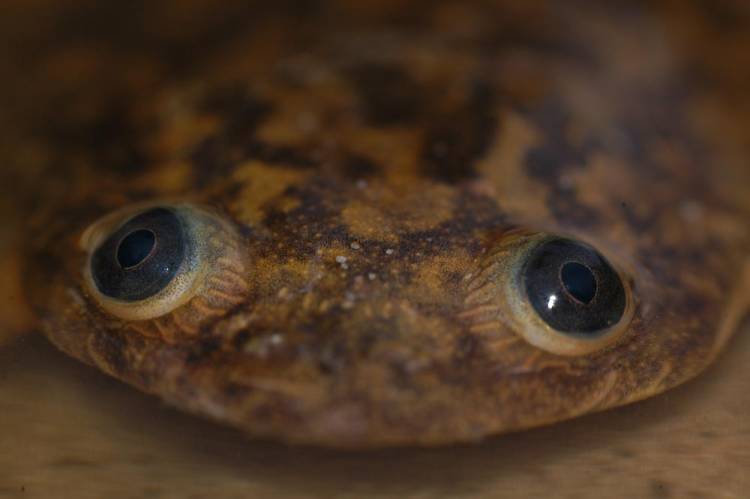
Currently on display are giant snails, a brown house snake, shongololos and the popular common platanna frogs. These displays will probably change on a regular basis so while you’re not guaranteed of seeing these creatures, there will be other creepy crawlies to discover.
Giant snails (Archachatina sp) are found in western and southern Africa, where they live in humid jungle areas and feed on the vegetation and fruit of their habitats. They are true hermaphrodites, which means that they carry both male and female reproductive organs. They do, however, still have to mate: self-fertilisation is not possible. Egg clutches consist of between six and 15 eggs and, at 20mm, these eggs are considered quite large.
These snails are farmed extensively in Thailand and China. The meat is canned and sold to the European market as escargot.
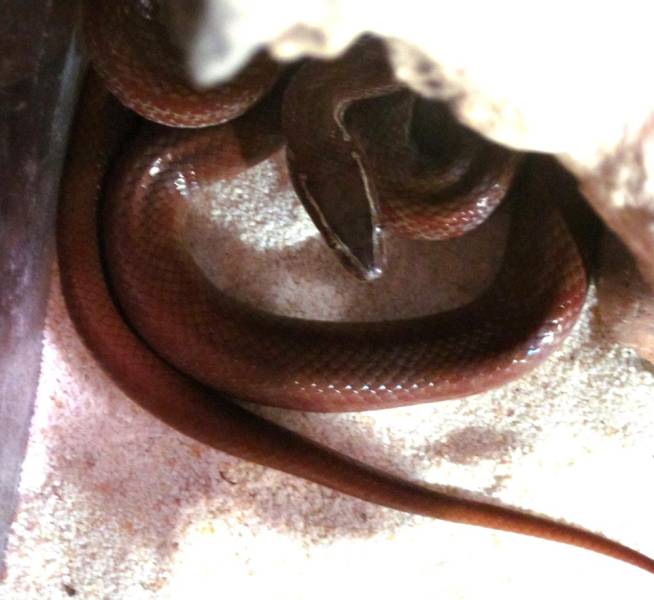
Brown house snakes (Lamprophis capensis) are found throughout South Africa. These harmless snakes are common in areas inhabited by people. The reason? While nature knows no waste, our way of living creates a whole lot of trash. Rodents are attracted to the trash as a food source. The snakes are attracted to the rodents, for exactly the same reason! These snakes are a very effective and an extremely important form of rodent control.
If you are fortunate enough to come across one, just leave it where it is. It won’t do anything to you, but will help keep the rodent numbers down.
Shongololos are millipedes and are, surprisingly enough, distantly related to lobsters, crayfish and shrimp. Unlike their marine cousins, millipedes live on land in moist habitats or areas of high humidity. They feed on dead and decaying plants.
“Millipede” means a thousand legs but these animals don’t really have that many limbs. Shongololo means “roll up” in Xhosa and Zulu because millipedes curl up when threatened.
Common platannas (or African clawed toads, Xenopus laevis) live in natural water-bodies, but you might see them in your garden pond. They also don’t mind living in the local sewage works. At the end of the rainy season, platannas bury themselves into wet mud where they hibernate until the next rains.
These “flat frogs” have powerful back legs and sharp claws on three of their toes. They hold prey in their mouths and tear it with an overhead “kick” by their back legs.
Common platannas feed in the water on any living creatures they can overpower. Their prey includes frogs and tadpoles (including their own kind), insects and other invertebrates (mosquito larvae especially are consumed by young frogs), small fishes, young birds and mice that fall into the water. They even feed on carrion in the water.
The common platanna was used in pregnancy tests all over the world between 1930 and 1950.