October is National Marine Month in South Africa. Anyone who has been to the Two Oceans Aquarium knows that, bordered as we are by the Indian and Atlantic oceans, Cape Town’s marine heritage is diverse, fascinating and all-important. We love that there’s a whole month dedicated to our favourite body of water!
According to the official South African Government Information (SAGI) website, “the warm Agulhas current [has] rich ocean biodiversity, but not large fish stocks,” whereas “the cold Benguela system supports large fisheries such as those focused on the small pelagic (anchovy and sardine) and the demersal (hake) stocks.”
Tread lightly
Here’s what you and your family can do to ensure the health of our oceans (information courtesy SAGI
Reduce your plastic consumption. The most frequently collected items during beach cleanups are made of plastic: think reusable shopping bags, water bottles and utensils.
- Read about Two Oceans Aquarium senior bird trainer Hayley McLellan’s bid to ban the plastic bag here.
- Read about our Sappi Seal Platform and the big difference made in a small way.
- Read about the Aquarium’s coastal cleanup efforts at Zandvlei in September.
Make informed seafood choices. Keep a copy of the sustainable seafood guide with you, which indicates which species are green, red or orange. Green means you can buy these species legally, orange that the species is threatened and red that the selling and/or buying of such collapsing species is illegal.
- Seafood is in big trouble. Don’t be in denial.
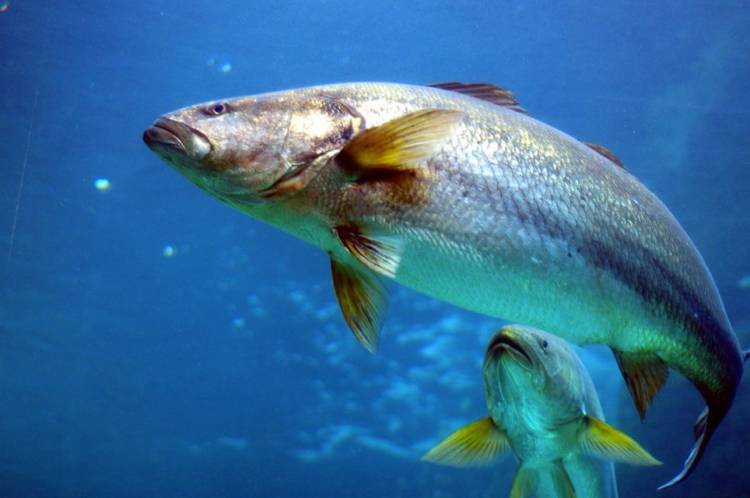
Dispose of chemicals properly. Never pour chemicals, pharmaceuticals, oil or paint into the drain or toilet. Check with your municipality’s household hazardous waste programme to properly dispose of or recycle chemicals and keep them out of rivers and oceans.
Choose green detergents and household cleaners or make your own. Besides being better for your own health, these products are safer for the environment since what goes down the drain can end up in our oceans.
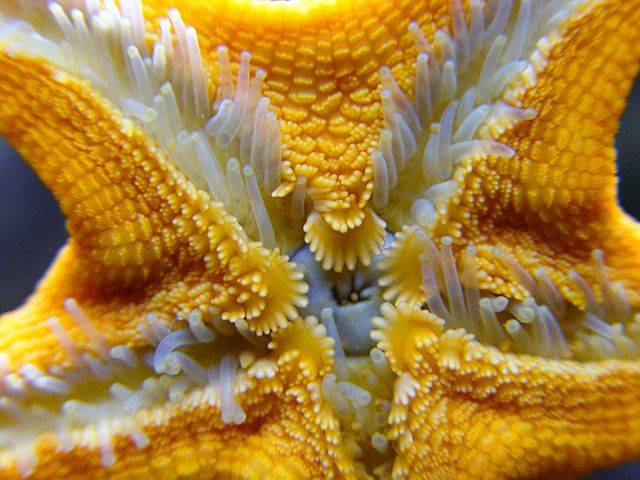
Get the dirt on your beachside retreat. Before you stay in a hotel on the coast, ask staff what happens to their sewage and swimming pool water, and if they source their restaurant fish from sustainable sources.
- Not only will your choices be more informed, but you’ll also help spread awareness.
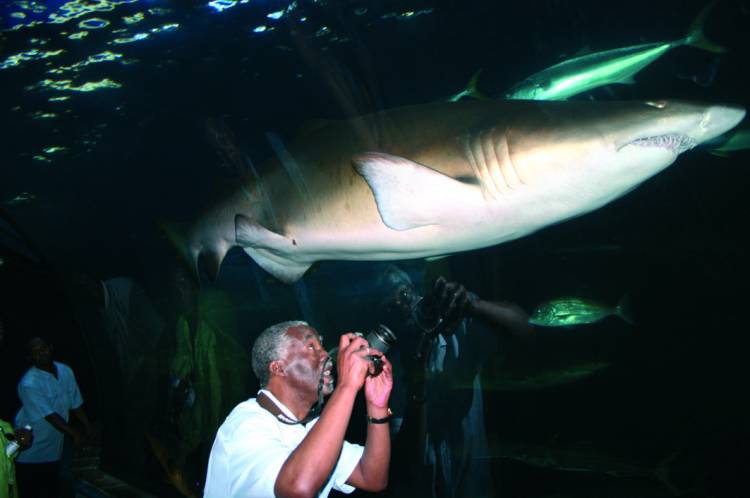
Find out the source of your food. Buying local, organic food reduces your carbon footprint, supports the local economy and reduces the amount of pesticides and fertilisers that end up not just in your stomach, but as run-off in rivers and oceans.
- Did you know? The Two Oceans Aquarium’s Shoreline Café is the first restaurant in Africa to be awarded chain-of-custody certification from the Marine Stewardship Council. That means you can eat fish with us, guilt-free.
Fill your yard with indigenous species. Reducing the amount of grass in your lawn by planting indigenous shrubs and flowerbeds will provide a better habitat for birds and other wildlife, and requires far less water. Remember that your garden fertiliser can end up in the oceans.
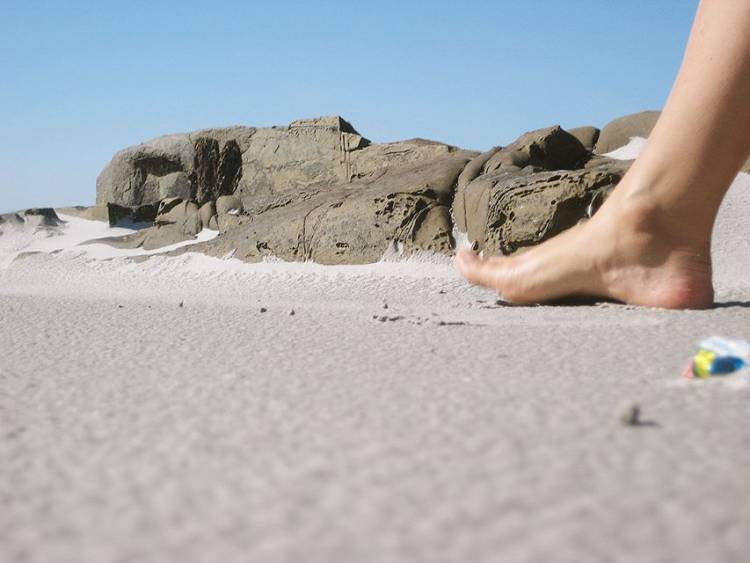
Keep your beach visit clean. When visiting the beach, stay off fragile sand dunes, take your trash with you and leave plants, birds and wildlife for everyone to enjoy.
Lest we forget
Here are some beautiful water-related quotes.
“To understand water is to understand the cosmos, the marvels of nature, and life itself.” – Japanese author Masaru Emoto
“Thousands have lived without love, not one without water.” – Poet WH Auden
“If there is magic on this planet, it is contained in water.” – Natural science writer Loran Eiseley
More beautiful quotes and imagery here.
Calling all sea fans
Remember to buy your tickets online to save money and time.
We’re also running an incredible cut-price family membership special until the end of November, saving you up to R220.
No kids? No problem. Aquarium membership is discounted online. Buy now.
Stay in touch: For daily Aquarium updates, follow us on Twitter (@2OceansAquarium) and become a fan on Facebook.