
Surgeonfish, tang or unicornfish is a collective name for fish of the Acanthuridae family. Their main characteristic is the presence of a “tail thorn”, one or more small, razor-sharp spines that are present on one, or both, sides of their tails. Their name “surgeonfish” comes from their possession of this “scalpel” and their scientific name is Greek for “thorny tail”.
(Cover image courtesy of Josh More)
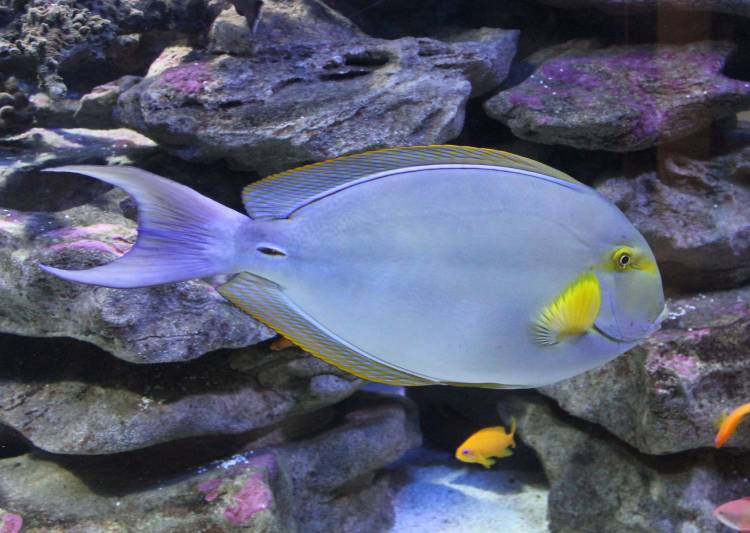
Aside from these "sharp" characteristics, most Acanthids are small, oval-shaped fish with bright colours. There are 31 species of surgeonfish inhabiting the coral reefs of southern Africa and 86 species globally. At the moment, there are nine of these species in the Two Oceans Aquarium.
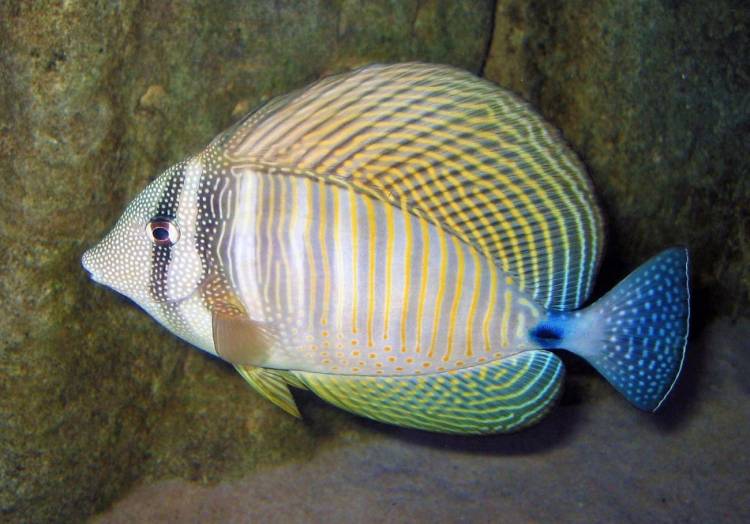
What is life like for an Acanthurid?
All surgeonfish are herbivores, and in the shallow reef waters that they inhabit it is vitally important that they secure sunlit rocks and sediment patches in order to find the highest abundance of algae. They will often move about as groups, using their numbers and raised tail spines to wrestle territory away from damselfishes. Once a damselfish has been scared off, it’s every surgeonfish for itself!
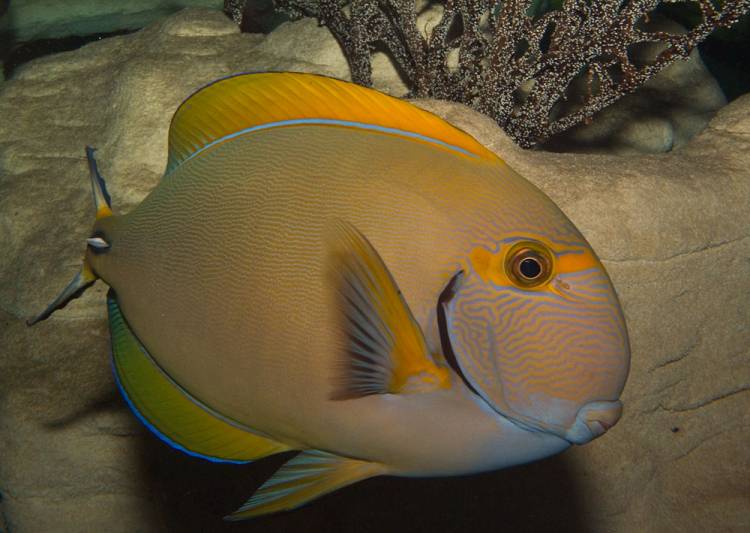
Adult surgeonfish spawn during a full moon, and they are able to use the phases of the moon to sychronise their body chemistry. Male surgeonfish change colour as the full moon approaches, and these colours attract large groups of surgeonfish to the spawning area.
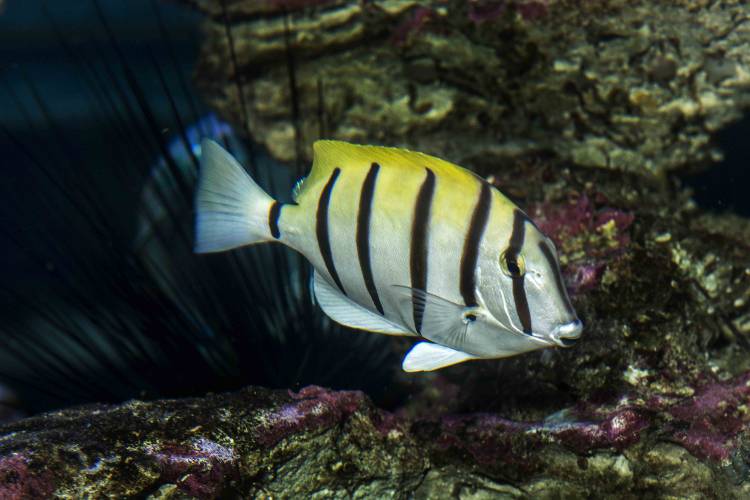
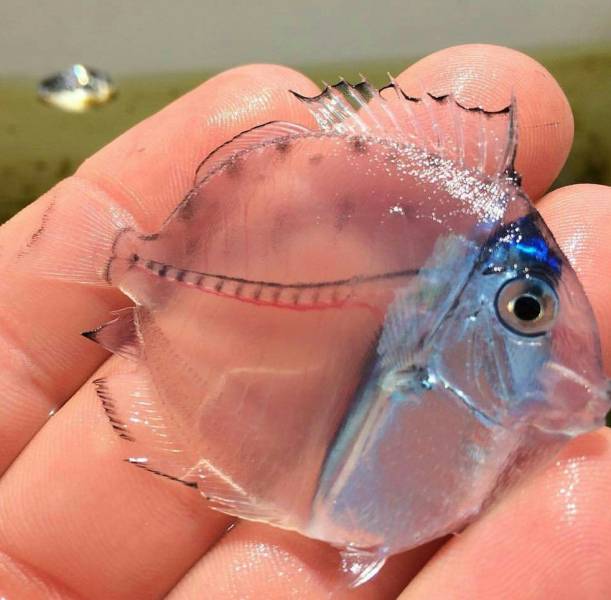
Fertilised eggs are oily and float to the ocean's surface. When surgeonfish hatch, they start life as larvae called "acronurus" - a life-cycle phase unique to this family. These surgeonfish larvae aren't unique amongst fish - in fact, the larvae of moray eels are also transparent like this! These larvae feed on the floating eggs of other fish.
Why are some called unicornfish?
Unicornfish are surgeonfish that belong to the genus called Naso. They get the name “unicorn” because of their protruding rostrums (fish foreheads) that look like horns. The Two Oceans Aquarium is home to a few unicornfish, a popular favourite being the orange-spined unicorn (Naso litaratus).

So, which surgeonfish is your favourite? We know there is one very famous Acanthurid that you'll definitely recognise...

_450_310_70_s_c1_c_t.jpg)
_450_310_70_s_c1_c_t.jpg)