
Realistically, by the time most people become aware of the issues our oceans are facing, they will have already gathered cupboards full of plastic items. Even going forward, you may find it difficult to find plastic alternatives – which is accurate. In the 21st century, it’s almost impossible to live without plastic.
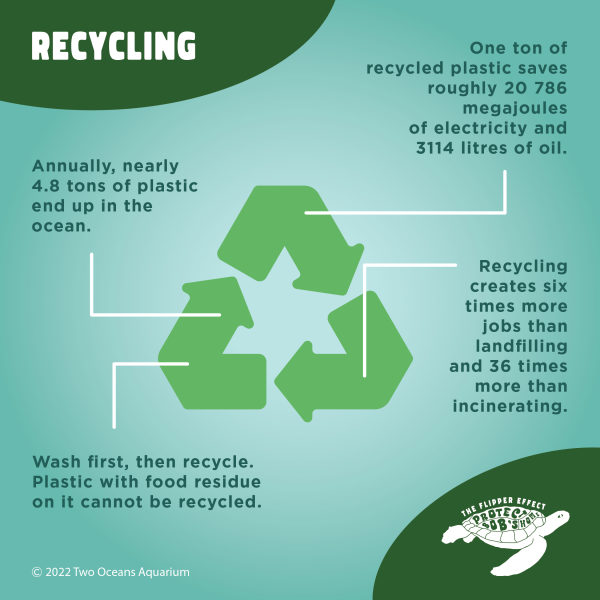
Source: 1) Wash first, then recycle. 2) One ton of recycled plastic saves roughly 20 786 megajoules of electricity and 3114 litres of oil. 3) Recycling creates jobs. 4) Annually, nearly 4.8 tons of plastic end up in the world's oceans.
So how do we deal with this? A key element is making our plastic items last as long as possible before we need to dispose of or replace them with “new” plastic. Let’s take a look at ways to reuse single-use plastic:
- If you already have single-use plastic shopping bags, keep using them until they are too ragged to use. Then, use them as a liner for your recycle bin - avoid using them for non-recyclables as the bags themselves can be recycled in many cases.
- Use non-recyclable food packaging (that you absolutely cannot avoid) as waste bags that are destined for the bin.
- Reuse bottles, e.g. for shampoo and detergent, to decant the same type of fluid from bulk purchases or "refills" which use less plastic. You shouldn't need to reuse water bottles because, hopefully, you're avoiding those!
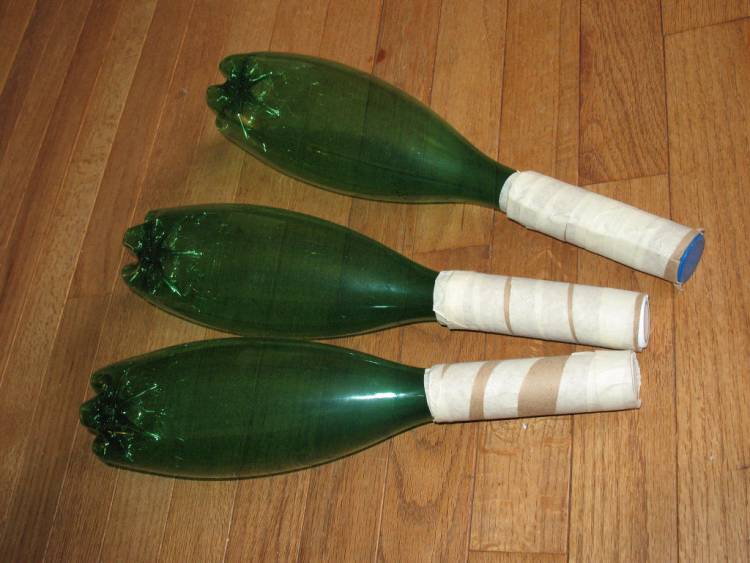
- Up-cycle your plastic waste into kids' crafts, garden containers and more. Just one caveat - many upcycling projects actual render the plastic non-recyclable, so rather dispose of easily recyclable plastics correctly if you have access to recycling facilities!
There are also a few ways to make plastic last long. Let’s look at a few:
- If you have to buy plastic, buy good quality that will last longer than cheap material that needs to be replaced often or will easily deform, fade, crack, etc. Food storage containers are a key example of where quality makes a significant difference.
- Avoid using metal utensils in plastic food containers to avoid scratches. Rather dish those leftovers onto a plate to avoid eating them directly from the container.
- Avoid the microwave - even if the container is microwave-safe, heat shortens its lifespan. Again, it's better to dish those leftovers up cold and then reheat them.
- Avoid leaving plastic items in the sun - even if they are designed for it. They will last longer in the shade. This is significant for garden accessories and pots, which can often be protected simply by painting over plastic or using ceramic/wooden containers.
- Give your stationery a second life - put a refill in your pen, or sharpen your scissors rather than buy new ones.
- Consider repairing broken gadgets and appliances rather than replacing them.
- Donate old toys to charity rather than discarding them.
The Flipper Effect: Protect Bob's Home
_2_750_481.png)
While Bob is being readied for release after eight years of difficult rehabilitation, we realise we won't be able to protect him anymore. The reality is simple: The ocean is not safe for turtles. Together we can change that. Bob will be facing many of the same human-caused threats that resulted in his stranding in the first place, and which are the cause of harm to the overwhelming majority of distressed sea turtles
In order to create an ocean that is safe for Bob and all other creatures that call it home, we must continuously take small actions towards protecting it - these small actions compound into big change. This is #TheFlipperEffect!