
SOLD OUT
We regret there are no more tickets available for this event.
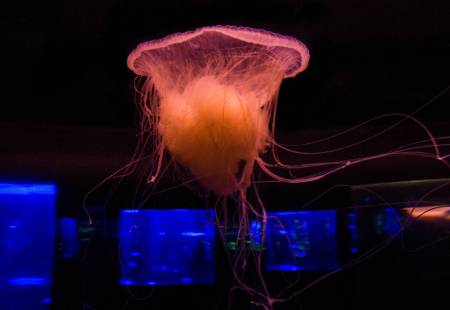
Exciting news for anyone who’s ever seen and loved the Jelly Gallery at the Two Oceans Aquarium! On Tuesday 10 October 2017, we are hosting a special one-night-only jelly event with Professor Mark Gibbons of the University of the Western Cape, and the Aquarium’s own “jelly guy” Krish Lewis.

Click here to buy your tickets now!
These two will take you on a strange and beautiful marine journey through the wonderful world of jellies.
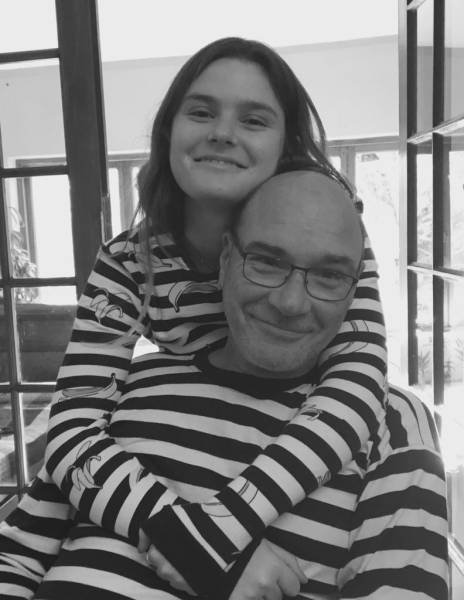
“Although the word ‘jellyfish’ has only been around for the last couple of hundred years, the animals themselves are embedded in our culture and, increasingly, in our science,” says Prof Gibbons. “My presentation does not have a beginning and an end, but is rather a rambling combination of Zoology 101 and Classics 101 with a liberal dose of media hype. There is some science but the aim here is to celebrate, in all but dance, the kings of the Cambrian.”
Click here to buy your tickets now!
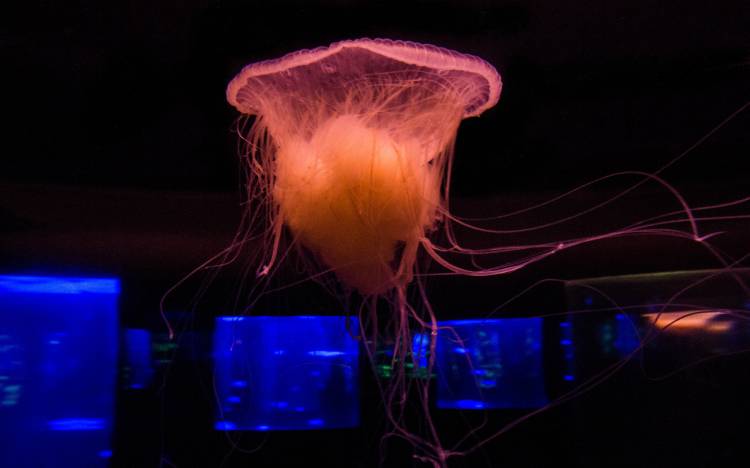
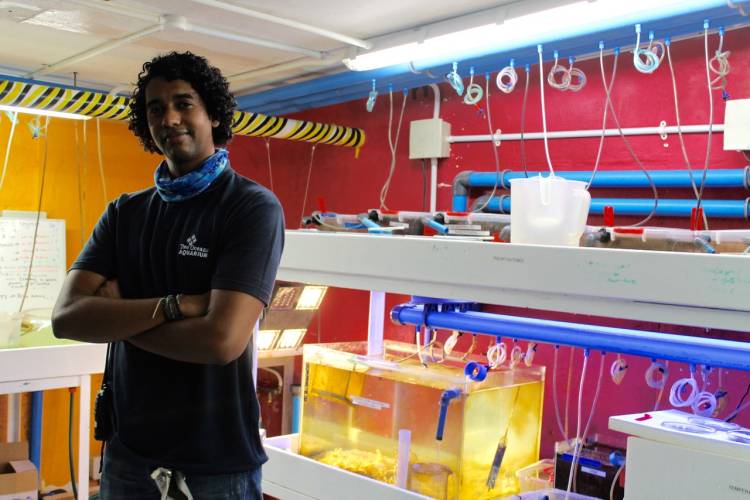
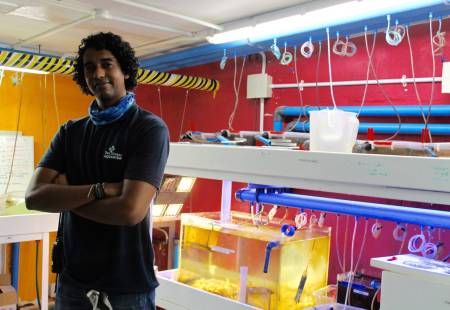
Two Oceans Aquarium Aquarist II Krish Lewis is our resident jelly expert, having studied Marine Biology under Prof Gibbons at UWC. Behind the scenes at the Aquarium, Krish not only grows many of the jellies you can see on display, but also develops the unique husbandry techniques required to provide a comfortable home for the range of species we have on display. Find out all about that, and more, during Krish’s presentation on 10 October.
Click here to buy your tickets now!
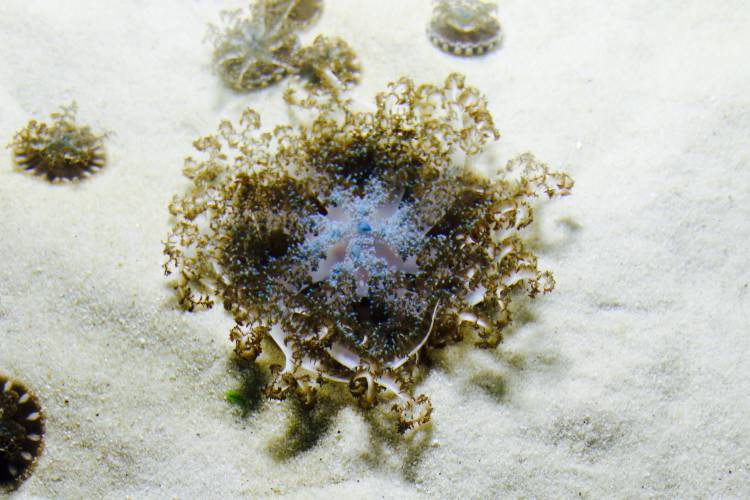
This is bound to be an intriguing night of amazing ocean facts. Be sure to buy your ticket soon – seats are limited and you’re unlikely to find a better way to spend a Tuesday night…
Event details
Date: 10 October 2017
Time: 18:30 for 19:00
Price: R80 per person (includes a snack)
Cash bar available
Click here to buy your tickets now!
About Mark Gibbons
Prof Gibbons obtained his BSc (Hons) in Marine Biology from the University of Liverpool back in 1983 when that institution still had a marine biology research station on the Isle of Man. He subsequently worked on Fijian Hydroids for Prof John Ryland at Swansea University before coming to the University of Cape Town in 1984 to do a PhD with Charles Griffiths on rocky shore meiofauna. Prof Gibbons subsequently joined the “plankton bums” at Sea Point in 1989, where he worked on non-copepod zooplankton in the southern Benguela ecosystem. He was seconded by the Foundation for Research Development to the University of the Western Cape in 1995, where he became a full-time staff member late in 1996.
Mark’s research is still largely focused on zooplankton, but he has been involved in attempts to revitalise work on a number of benthic invertebrate groups including sponges, bryozoans, nematodes and foraminifera, as well as polychaetes. His current research mainly concerns medusozoans (aka jellyfish), which he has studied through collaboration with colleagues across the world, controversially contributing to both regional and international debates on the “rise of slime”. He has a special interest in the marine ecosystem off Namibia, which he considers to represent an important global “What if?” experiment. He is married, with three children, and lives in Cape Town.