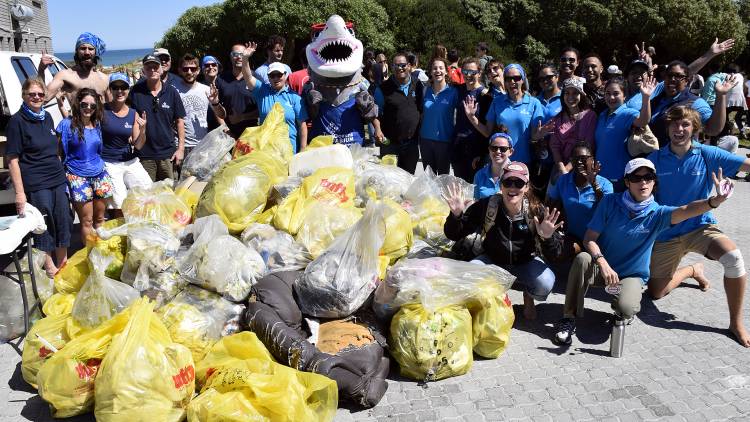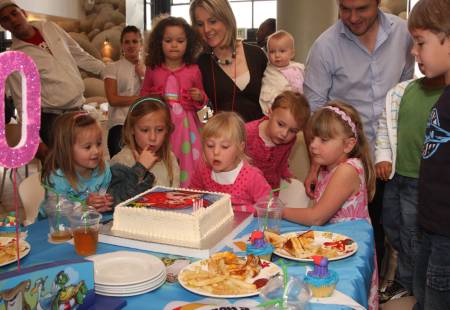

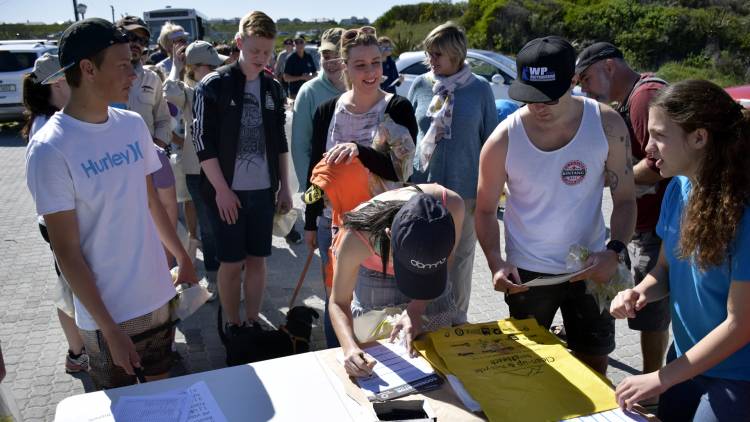
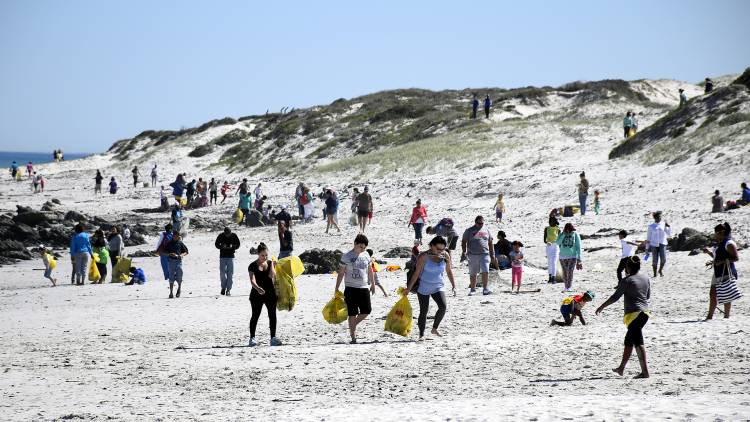
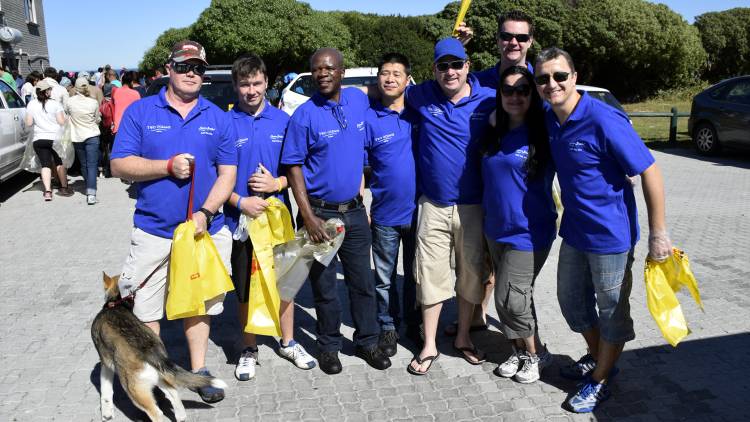
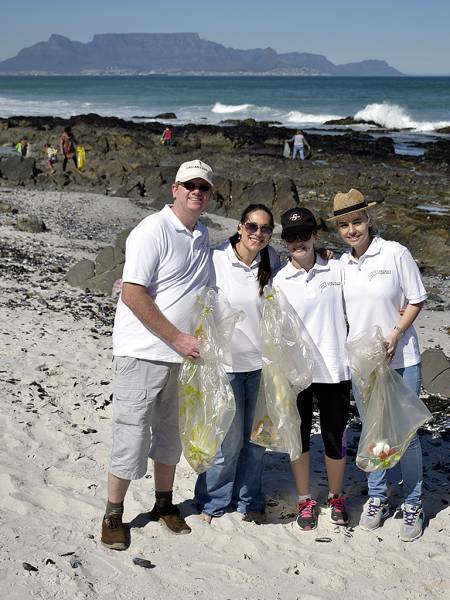
On Saturday 19 September, about 200 Two Oceans Aquarium staff members, members and supporters gathered at Melkbosstrand for the 30th International Coastal Cleanup Day.
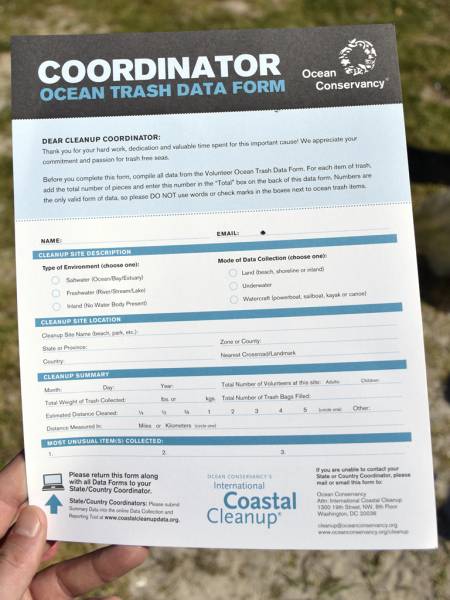
Our cleanup volunteers were given official Ocean Conservancy data forms and collection bags and then were given their instructions: pick up whatever trash you can find, record the type of debris and then pop it into the bag. The Ocean Conservancy has been running these large-scale collection events for 30 years and they collate all data into (scary) global marine debris insights.
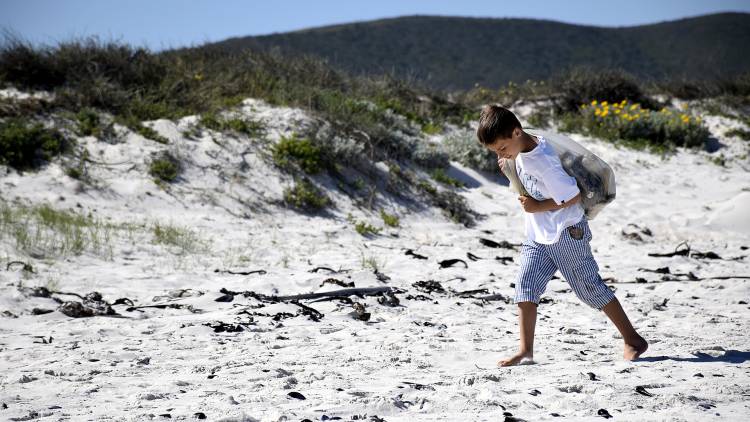
At first glance, this looked like a pretty clean beach.
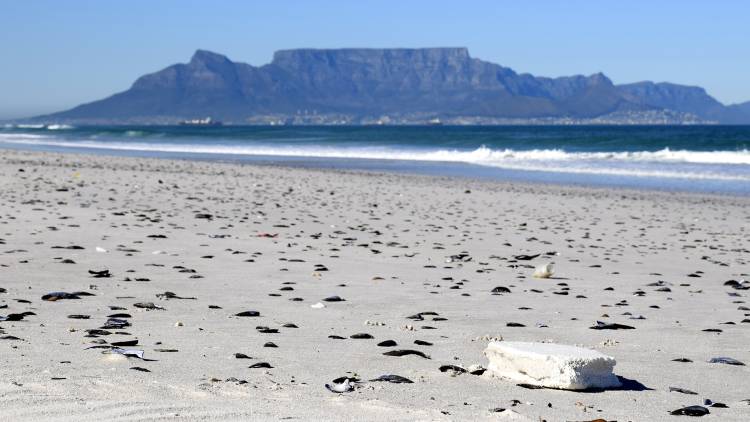
But upon closer inspection, shards of plastic, pieces of plastic bags, cigarette butts and other marine debris could be found buried in the sand.
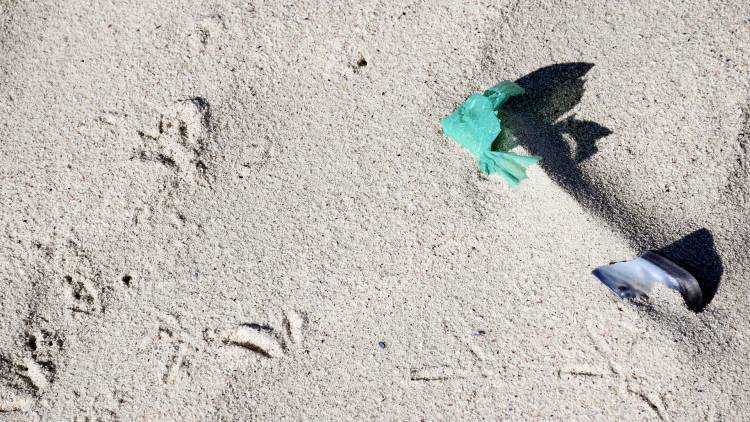
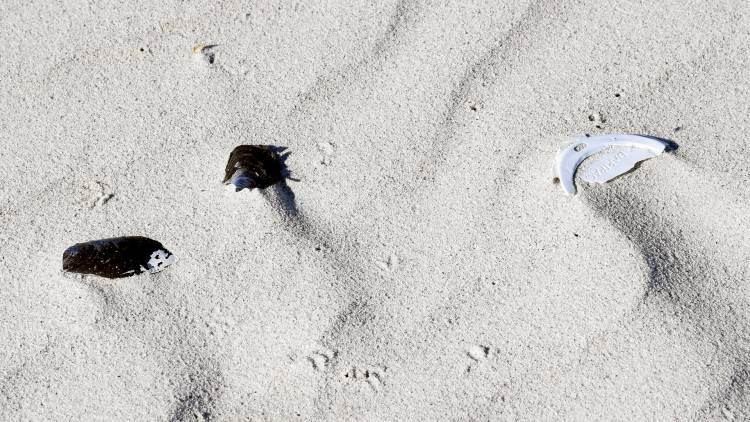
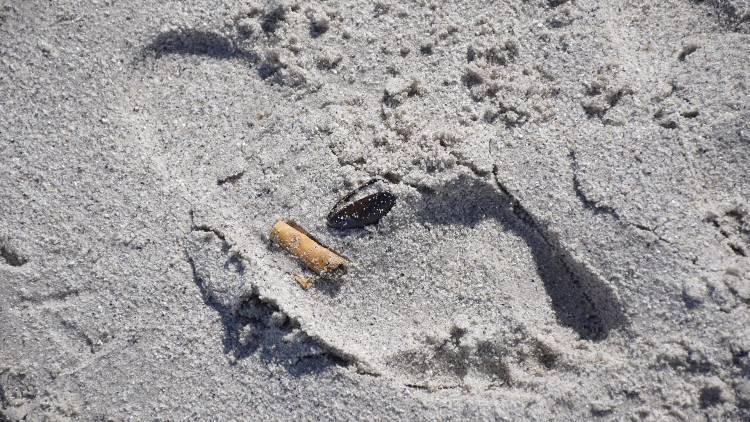
Smaller pieces of marine debris were buried in this fashion, but much of it had also blown into the dunes that run along the beach.
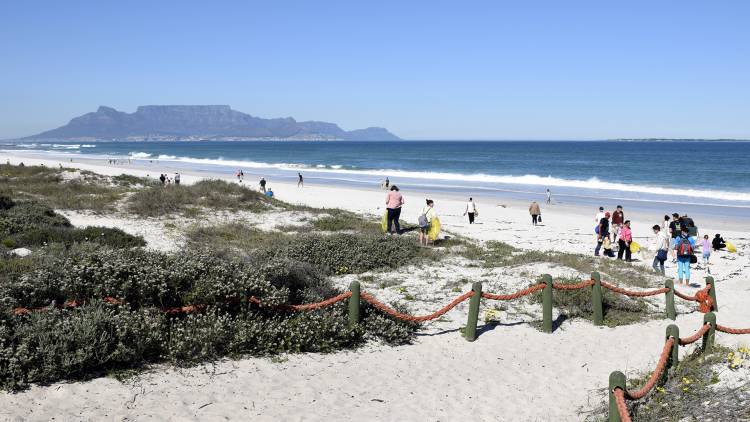
According to event coordinator Katja Rockstroh (who is also Two Oceans Aquarium PA to the Head of Education), the top five items of trash picked up on the day were food wrappers, plastic bags, straws, plastic bottle caps and plastic bottles.
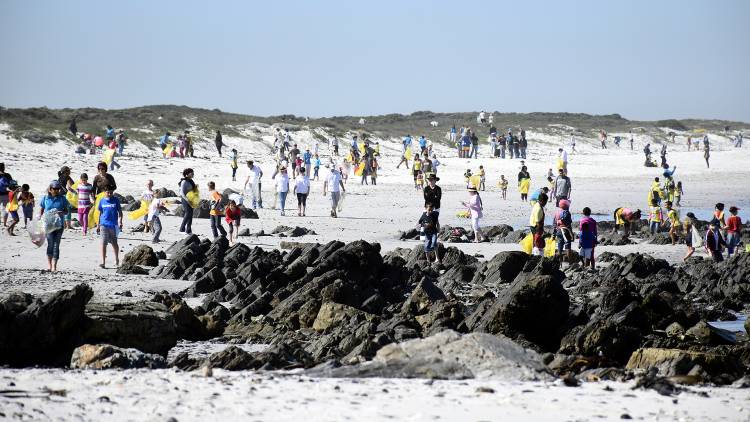
As for micro litter, pieces of foam and pieces of plastic numbered in their hundreds, while there was also a big load of glass pieces picked up.
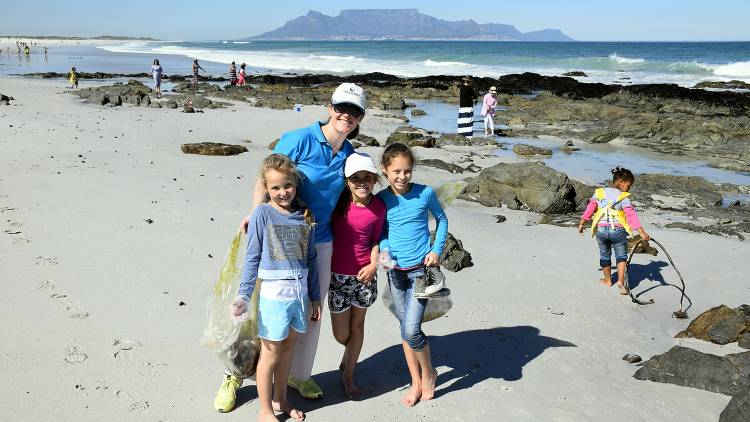
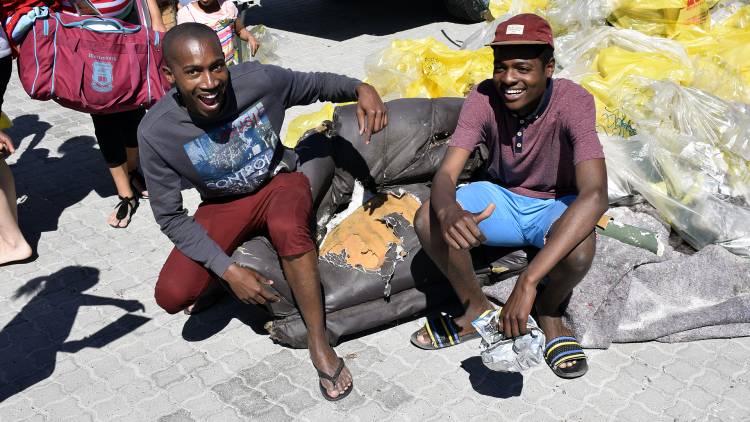
The strangest items found on the day? An armchair, a shoe and a carpet.
Have you heard about Rethink the Bag? It’s a campaign started by Hayley McLellan, our Environmental Campaigner.
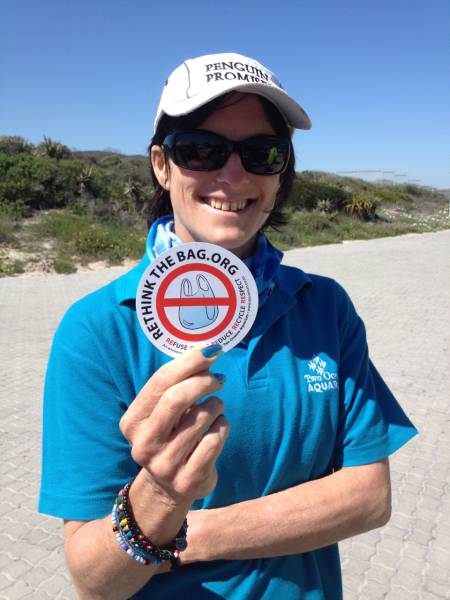
It started in 2010 as her personal stance against ever increasing plastic pollution and in 2013 the campaign was incorporated into the Aquarium’s sustainability efforts and is promoted at every opportunity through exhibits, signage, training and awareness initiatives, and education programmes.
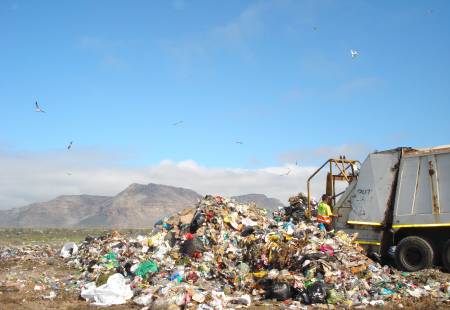
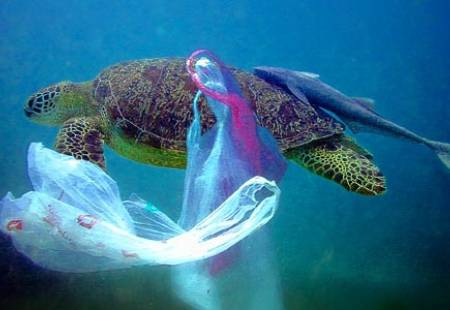
Most plastic shopping bags end up in landfill or in the sea where they are often swallowed by animals. These animals suffer a terrible and slow death, after which the plastic bag still remains in the environment.

Straws suck! They are one of the most common rubbish items found on our beaches. Much like plastic bags, straws are often swallowed by marine creatures, resulting in blockages which ultimately cause death. Refuse this luxury item next time you buy a cold drink or milkshake, you’ll be surprised by how unnecessary it is.
Did you know that it can take up to 26 litres of water to produce a one-litre plastic bottle and three litres of water to make one litre of bottled water?
Bottled water is not only expensive to buy, but the plastic manufacturing process is resource and energy intensive. Urban areas in South Africa, and in particular Cape Town, currently have good quality tap water and there is no reason to buy bottled water.
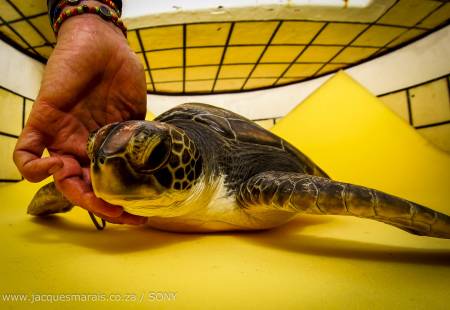
“It is easy to think that our actions on land do not affect the oceans, but the exact opposite is true. According to Ocean Conservancy, between 5 and 12 million tonnes of plastic enter the ocean annually due to land-based activities,” says Two Oceans Aquarium Assistant Communications and Sustainability Manager Renée Leeuwner. “During our rehabilitation work with endangered sea turtles we have found plastic pieces, bits of balloons and pieces of plastic bags in the gastro-intestinal tracts, bladders and body cavities of hatchlings, sub-adults and adults.”
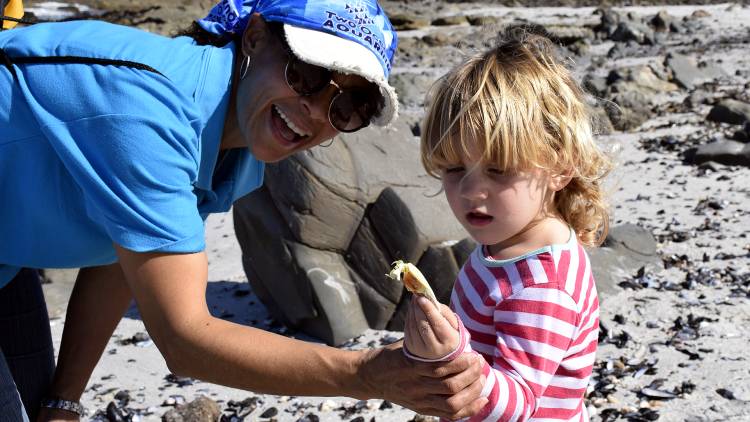
Says Katja: “We can all make a difference and help the environment. We all just need to take that first step and evolve from there. Participating in a beach cleanup is a great way to start.” We have loads more ideas on how to green your footrprint; click here to start evolving today!
We’d like to give everyone who helped us take that step on Saturday a huge thank you and well done. See you next year.
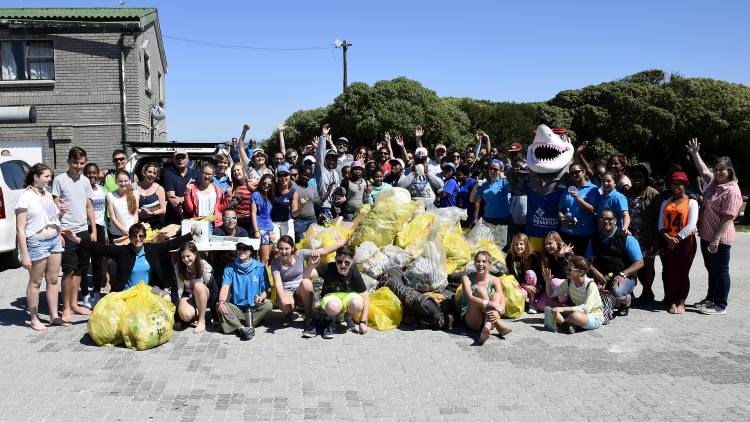
… But don’t wait for next year to keep evolving. Every trip to the beach can be an opportunity to clear up some litter. Do good and feel good in one easy step.