Our ever-popular De Beers Young Biologist Course, aimed at Grade 10s and 11s with an interest in marine science, was another big hit this year. Katja Rockstroh, PA to Head of Education at the Two Oceans Aquarium’s Environmental Education Centre, compiled the following highlights:
Untitled
The state of our oceans is now rather drastic.
Our world’s five gyres are filling with plastic.
The world’s future is both dark and dreary.
Have we done in our oceans? Nearly.
We throw our waste inside the bin,
Thinking we’ll never see it again.
But the bin falls over, junk is spilt,
Filling our rivers to the hilt.
Blocking old storm drains
And clogging up the city mains.
All this stuff that we call junk.
Flows to the ocean and turns to gunk.
In our minds is a consternation,
Of dual importance to both world and nation.
In order to save our world from destruction,
We must begin creative construction.
Not only must our oceans be saved,
But our needed action can not be delayed.
In order to save our seas from disaster,
Our response must be deployed faster.
For we cannot just stop the world’s degradation,
But must right the destruction wreaked on creation.
Through science and wisdom we can fix the past,
And remedy our mistakes at last.
Through scientific search we’ve seen
Some facts about these things marine.
Chiton’s names are exceedingly old –
They come from the Persian word for gold.
Sea turtles prey on jellyfish –
But plastic looks the same as this.
The East Coast rock lobster squeaks –
Whenever he has got the creeps.
Sea slugs may eat others
But at least don’t eat their brothers.
Pincushion starfish are quite large and thick –
But these are not for you to prick.
A wave ripples easily over the sea,
But has many small particles tricky to see.
We would like to state the notion,
That, combined, we can save the ocean.
As scientists, we must fight,
To save our oceans from their plight.
There’s but one way to conservation of our shores –
We must work together and fix our flaws.
– Matthew Courtney
One of our newest YBs from our De Beers Young Biologist group came up with this poem after a week of learning and fun at the Two Oceans Aquarium, and on the camp over the weekend. Below are some highlights from the course, our most popular programme offered to Grade 10s and 11s.
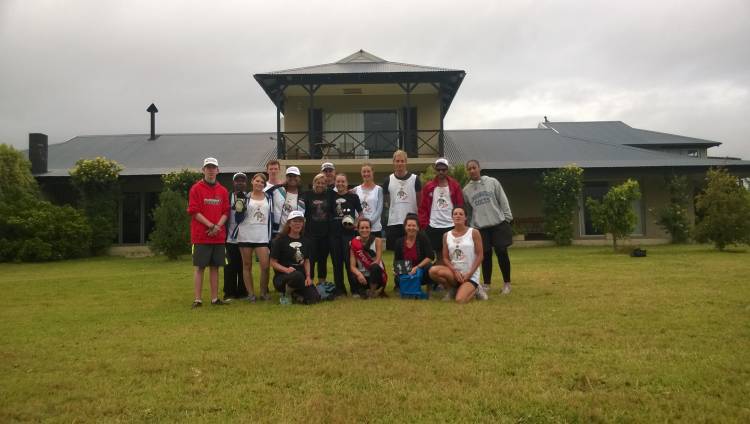
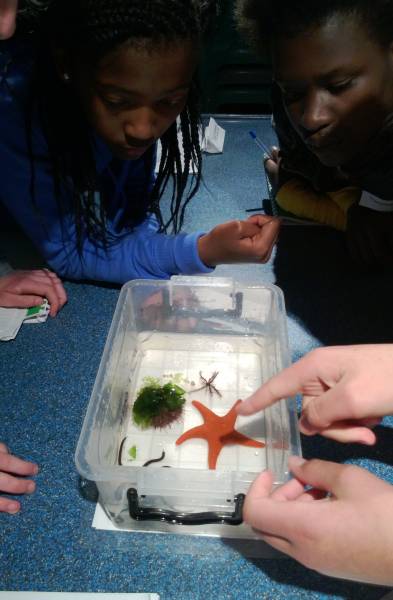
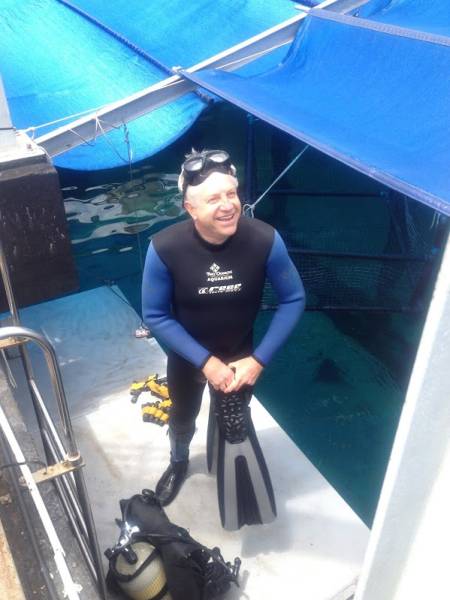
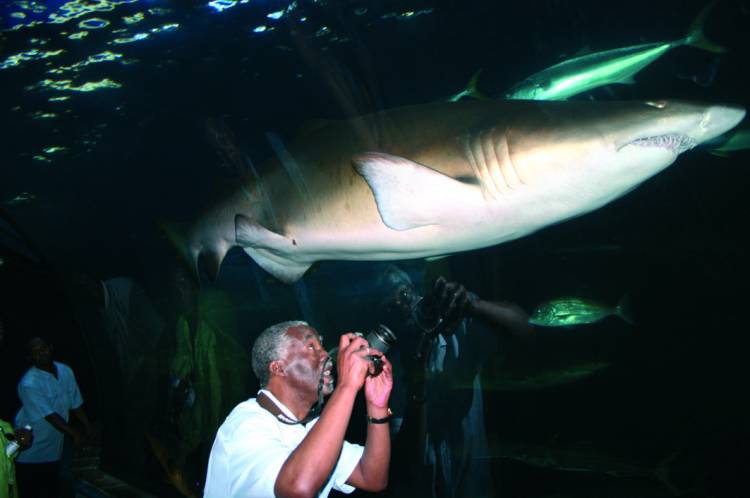
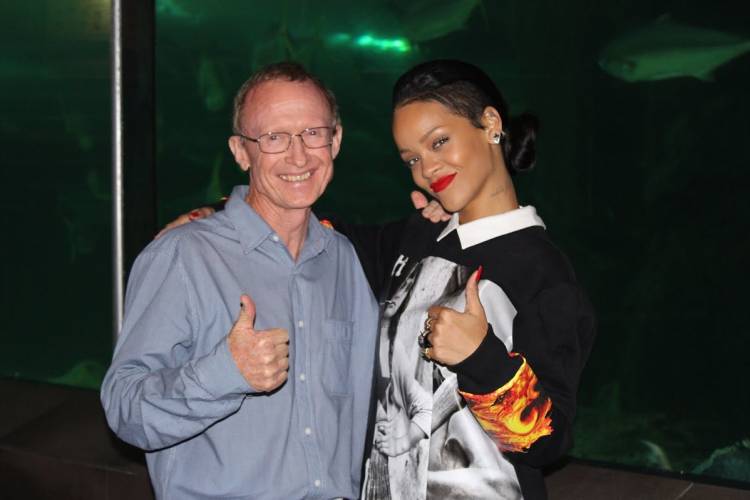
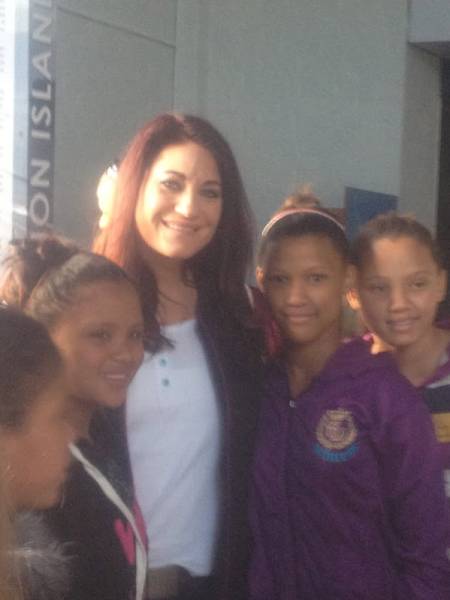
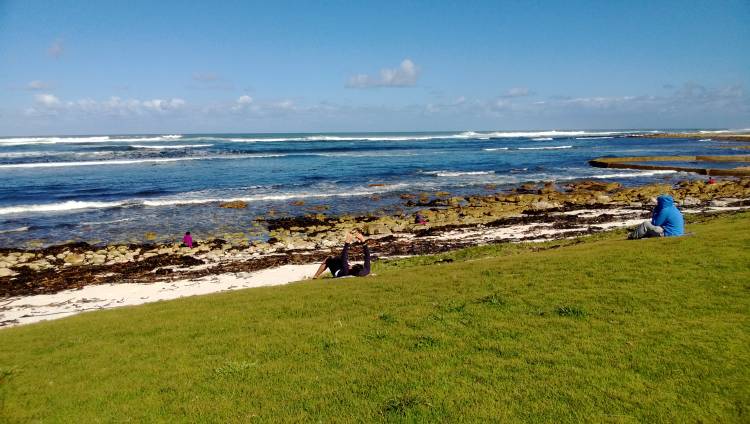
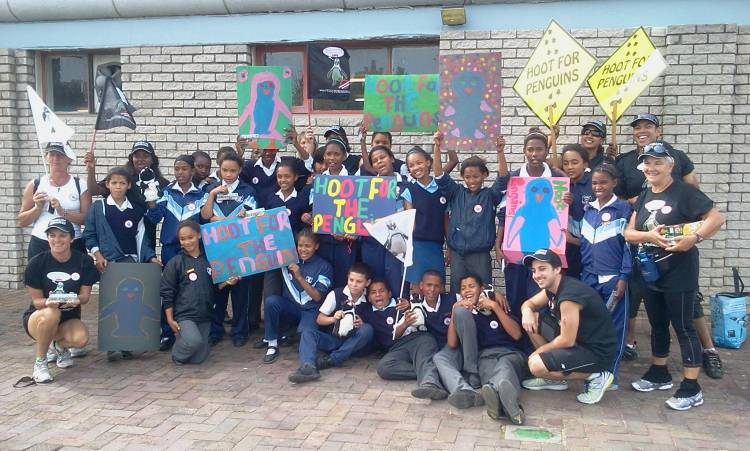
To give you the view of one of the YBs, below is her feedback from the course:
I would like to thank The Two Oceans Aquarium, the staff involved (Xavier Zylstra, Bianca Engel, Katja, Russell and the YBs involved) who made the Young Biologist course possible.
It was an important learning curve that offered new knowledge, fun and exposure. These mentioned staff made the course both enjoyable and also interacted very well with us!
I would also like to thank De Beers Marine for their sponsorship and support in this course.
Thanks also to Soetwater camp for offering the YBs a place that gave us an even closer encounter with the animals and plant life learned about during the duration of the Young Biologists course. Thank you also to the caterers involved for the good food served at camp. I will never forget this amazing experience and all I learned and was exposed to!
Yours sincerely,
Jessie Leverzencie (Young Biologist – Wynberg Girls High School)
To end off this blog, here is a song written by Cameron Russell, another one of our new YBs (and the song should be sung to the tune of Frosty the Snowman):
I’m going fishing, it’s a very lovely day, the sun is high, the sea is flat and my bait is fresh, ho ray.
I’m going fishing it’s my very favourite time, I got my rod, I got my hooks and 200 yards of line.
I hope there fish in this big pond, I hope they like my worm because when I get them in my boat they will flip and squiggle and squirm.
I’m going fishing, I hope these fish do roam because I told my mom and told my dad I will bring them supper home.
If you would like to become a Young Biologist and you missed the Grade 10 intake, we will be running another YB course aimed at Grade 11s from 31 March to 6 April. Applications will open in January 2014. Watch this space!