
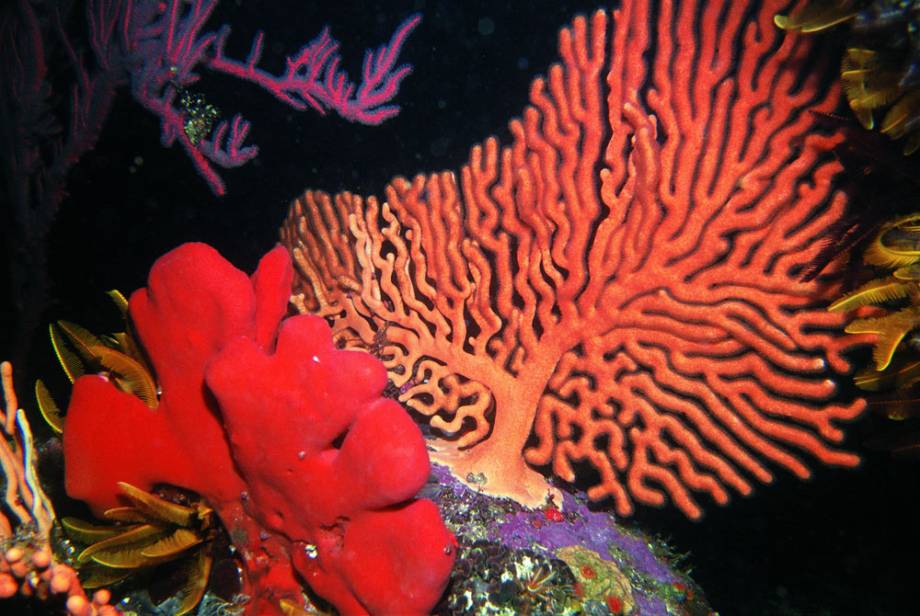
Sea fans may look like plants but they are actually colonies of animals sharing the same support structure. You may be familiar with some of the sea fan's relatives e.g. sea anemones, corals and jellyfish, all belonging to the phylum Cnidaria, which refers to their stinging cells.
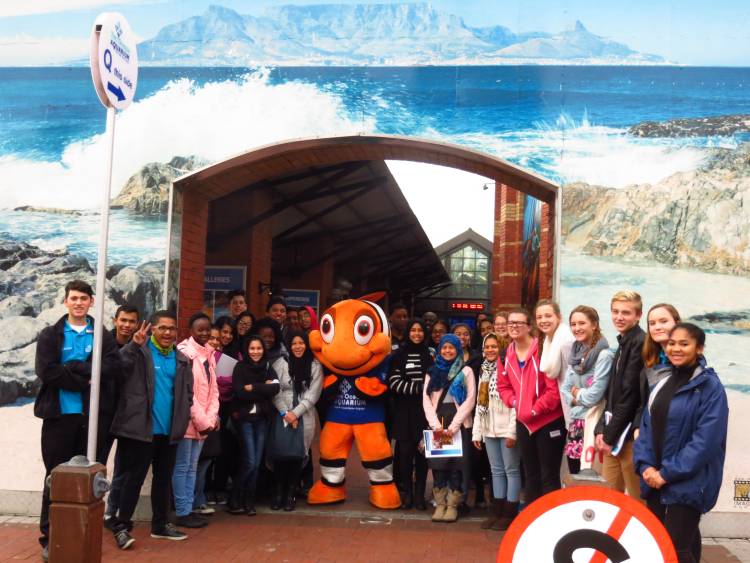
At the Two Oceans Aquarium, you can see two types of sea fans – those under the water and those in our classroom! The annual SeaFans learning course for Grade 9s was held last week.
These are students from various schools who have showed that they are “fans of the sea” and are keen on pursuing a career in marine science. The course is designed to expose the students to various areas of marine science (not just marine biology) and guide them in their subject choices for Grade 10.
Theory, mixed with hands-on activities, included testing what happens to water of various temperatures and salinity, reading and interpreting scientific graphs, and testing a sample of sea water from the harbour for salinity, pH, ammonia and temperature.
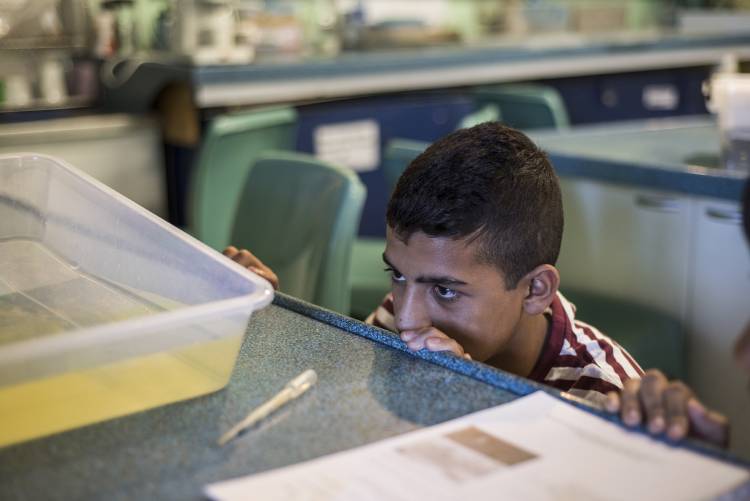
#seafans students measures pH, salinity, temperature and ammonia content in a sample water @2OceansAquarium #2OEdu pic.twitter.com/T3fqhMJZat
— Bianca Engel (@Engeltjie74) July 7, 2015
On Wednesday morning the group headed out to Quay 500 to visit the research vessel (RV) Algoa and met with marine scientists on board who shared their enthusiasm and passion for the ocean. Their careers ranged from marine biologists, oceanographers, technicians and careers in shipping.
On the Thursday, as part of exploring various ecosystems, the group went on a boat trip aboard the Ocean Adventurer and were fortunate to see a humpback whale, a resident pod of Heaviside dolphins, African penguins and a southern right whale.
#seafans exposed 2 Marine Science careers on board the RV Algoa. Big thanks 2 DEA staff 4 sharing their experiences. pic.twitter.com/GuZHWIFIhd
— Bianca Engel (@Engeltjie74) July 8, 2015

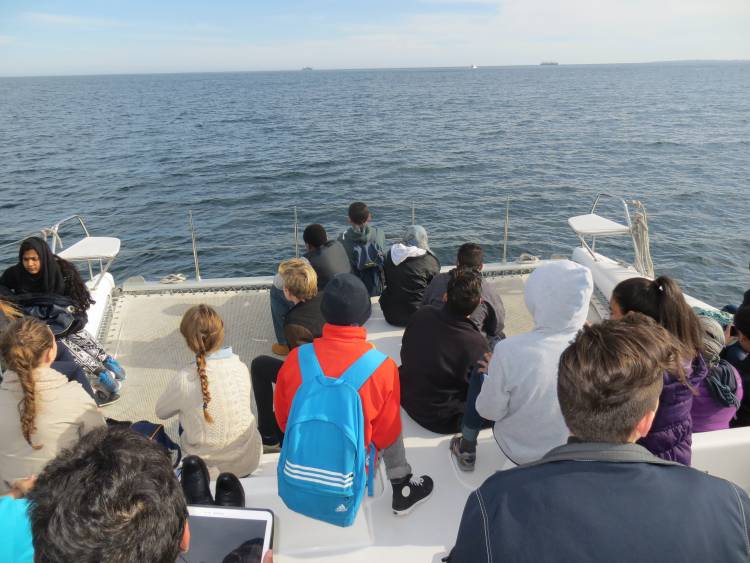
This was definitely a highlight for many.
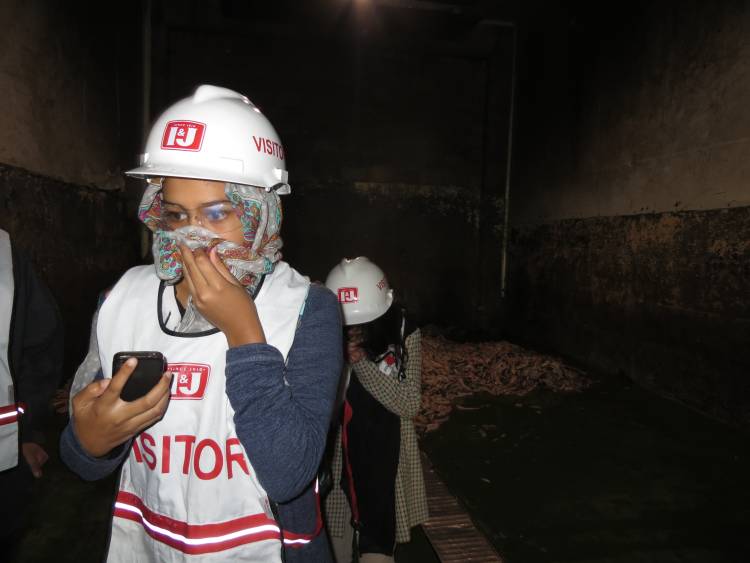
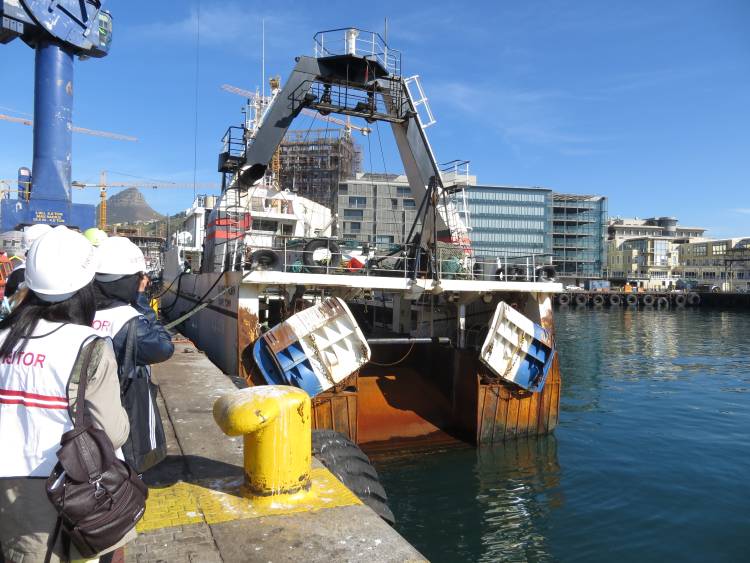
The course was concluded on Friday with a tour of the I&J company. This was quite an eye-opener to many who were not aware of how big an operation it is and how many careers were involved in catching, processing and packaging fish before it ends up on our plates.
#seafans #2OEdu students were given a tour of I & J trawler & shown how fish are processed before it ends on our plates @2OceansAquarium
— Bianca Engel (@Engeltjie74) July 10, 2015
Students truly had a holistic overview of different careers involving the marine environment and are now better informed in making their subject choices and career choices in future.