The Two Oceans Aquarium is proposing Fish-free Fridays, to complement Meat-free Mondays, as an extension of Fish-free August, a worldwide sustainable seafood campaign to end the desecration of our oceans’ fish stocks.
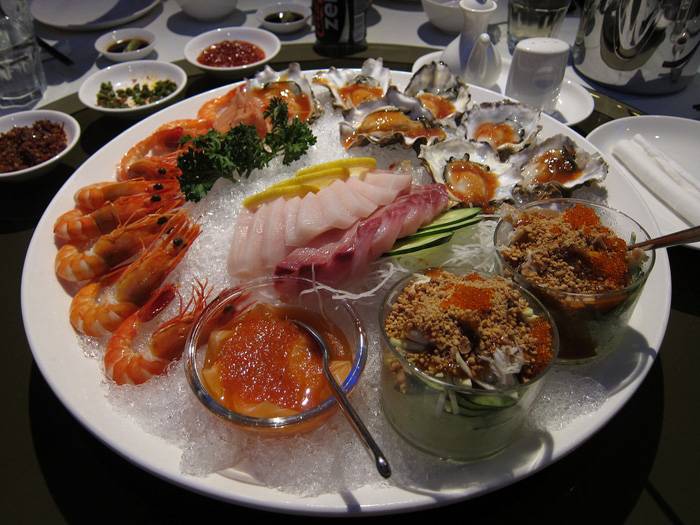
The idea is that, for the month of August, no one eats fish. This means no sushi or salmon for dinner. No fish and chips for lunch, or tuna salad because you’re on “a diet”. Let’s be clear, although fish is delicious, the continued mass consumption of these creatures is leading to their extinction at a frightening speed.
The problem
Unfortunately our oceans and seas are being depleted at alarming rates. The main reasons are over-fishing, pollution, poor ocean governance, irresponsible fishing of endangered fish, and coastal overpopulation.
There’s also the rather unnerving issue of ocean acidification, which is definitely playing its part in the marine crisis that we face today.
According to a 2010 United Nations Food and Agriculture Organisation report, “85% of the world’s fish stocks are either over-exploited or exploited to their maximum”. This same report goes on to state that “globally, it is estimated that approximately a quarter of what is caught is thrown back, often dead, and wasted”.
Some of these fishing techniques also pose a threat to marine habitats, which are the life-support system for marine (and all) life. Marine ecosystems exist in a delicate balance – therefore, harvesting a species can have implications for the function of the entire system. We need species such as sharks and other predators. Top predators keep coral reefs healthy.
Top predators – like blue-fin tuna – also happen to be considered the most delicious. And let’s not even talk about shark-fin soup and similar delicacies still being served in all four corners of the world, from all seven seas.
Watch seafood documentary The End of the Line for a chilling look at our current fish-stock reality.
What if we stopped harvesting fish?
According to a recent study conducted by researchers at Scripps Institution of Oceanography at UC San Diego, it was revealed that a “restriction of harvesting marine reserves could lead to significant increases in marine life in a short period of time”.
The study revealed that the total amount of fish in the reserve ecosystem of Cabo Pulmo National Park boomed by more than 460% from 1999 to 2009. It also revealed that fish stocks at a depleted site could recover up to a level comparable to remote, pristine sites that have never been fished by humans.
In theory, if we stopped harvesting fish for the next 10 years we could have our marine eco-systems fully restored. Strictly protected marine reserves in the studied area have been proven to help reduce local poverty and increase eco-tourism businesses, including coral reef diving and kayaking, too. The benefits are endless.
So what can we do?
Although this problem may seem overwhelming, there are a number of practical solutions. Simply cut down (or eliminate) your intake of fish. The aforementioned study already proves that fish size and abundance can increase inside marine reserves to extraordinary levels within a decade after protection is established. So if we stop eating fish for a short while, we enjoy vast benefits environmentally.
Beyond this, it is important to educate ourselves and become responsible fish consumers, should we choose to eat fish. Follow the Sustainable Seafood Initiative of South Africa’s pocket guide: it provides three categories to ensure sustainable consumption: green (yes), orange (careful) and red (do not eat).
There’s a growing movement at the moment that encourages consumers to tuck into smaller fish like sardines and anchovies – these populations recover faster than larger predators; increased demand for smaller fish may also ease the demand for bigger fish on the dinner plate.
The Two Oceans Aquarium’s Shoreline Café is the continent’s leading sustainable seafood restaurant and was awarded a Chain-of-Custody certification from the Marine Stewardship Council in July this year.
Lastly, join the Two Oceans Aquarium’s Fish-free August and Fish-free Fridays and create awareness by letting everyone know that you care about preserving the environment.