
South Africa's waters are teeming with incredible animals, underwater landscapes and diverse ecosystems. Part of this incredible diversity is the over 100 species of shark that call Mzansi home - here's everything you need to know about sharks in South Africa:
(Cover photo by Marco Zanferrari / CC BY-SA 2.0)
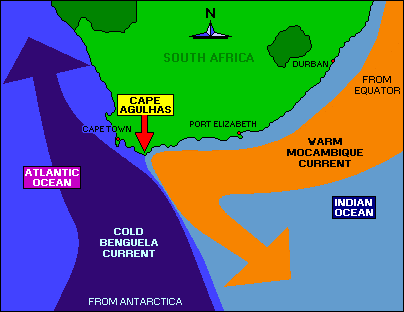
On the east coast of the country, the warm Agulhas current of the Indian Ocean flows south towards Cape Agulhas. On the west coast, the cold Benguela current flows north, carrying the cold waters of the Atlantic Ocean. While the "meeting point" of these two oceans constantly shifts, they certainly mix, and the variety of life found here makes South Africa one of the most fascinating places to learn about marine biology (and it's why we're called the "Two Oceans" Aquarium!)
Where there is an abundance of food, there is also an abundance of predators, and these oceans are home to some of the most highly evolved apex predators on the planet: sharks.
What kids of sharks do we have in South Africa?
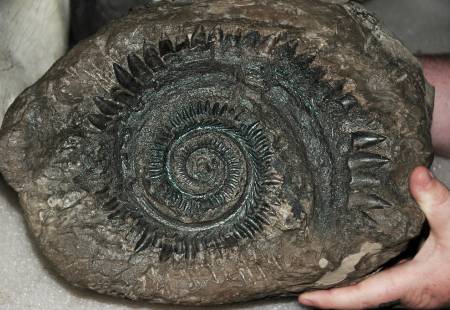
Sharks are ancient. Not only were they on Earth millions of years before the dinosaurs, but they more ancient than almost all the common forms of life you'd recognize today. Insects, trees, reptiles, mammals, amphibians - sharks are millions of years older than them all.
There are about 440 known species of shark in the world, and South Africa is home to about a quarter of them. Here are a few of our favourites:

Great white shark
- Largest predatory shark
- Grows to 6m
- Accelerates to 56km/h
- Lives for up to 70 years
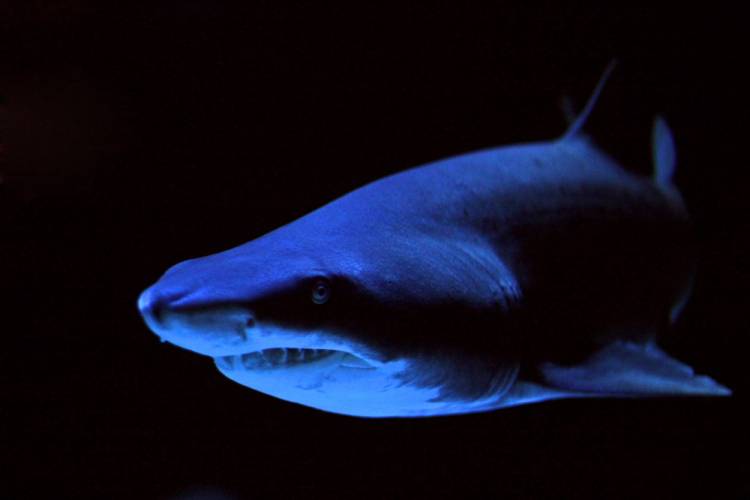
Ragged-tooth shark
- Grows to 3m
- Slow moving
- Gulps air for buoyancy
- Prefers temperate shallows
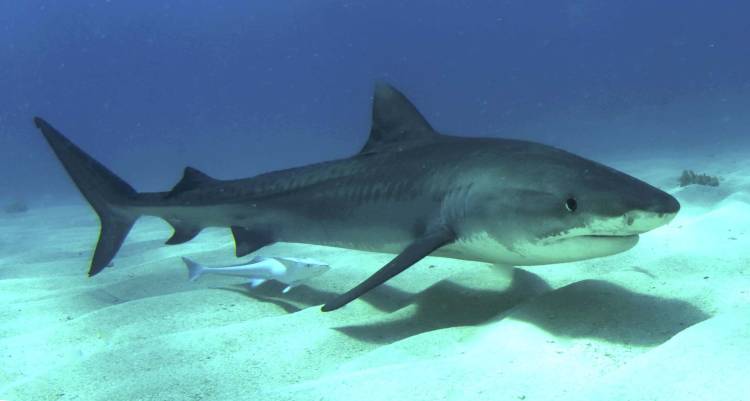
Tiger shark
- Distinctive stripes
- Slow-moving scavenger
- Grows to 4m
- Reputation for eating everything
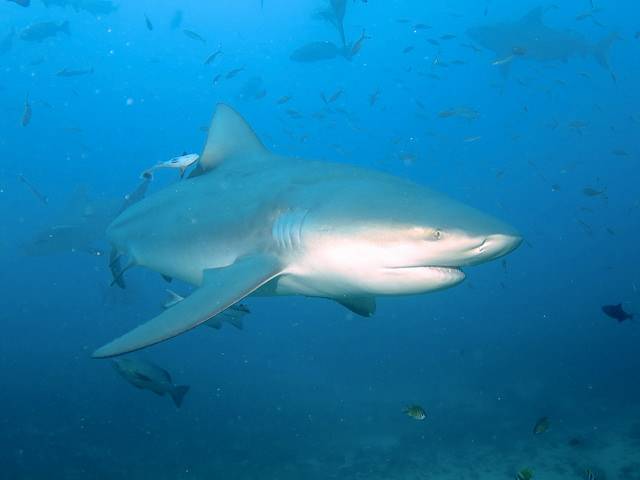
Zambezi/bull shark
- Found in fresh- or seawater
- Grows up to 4m
- Prefers warm, shallow water
- Fast, agile hunter
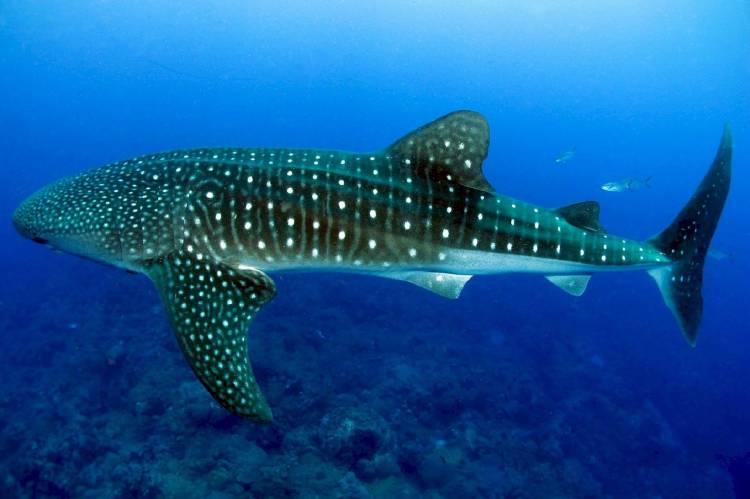
Whale shark
- World's largest living fish
- 3 000 tiny teeth in each jaw
- Covered in distinctive white spots
- Slow-swimming filter feeder
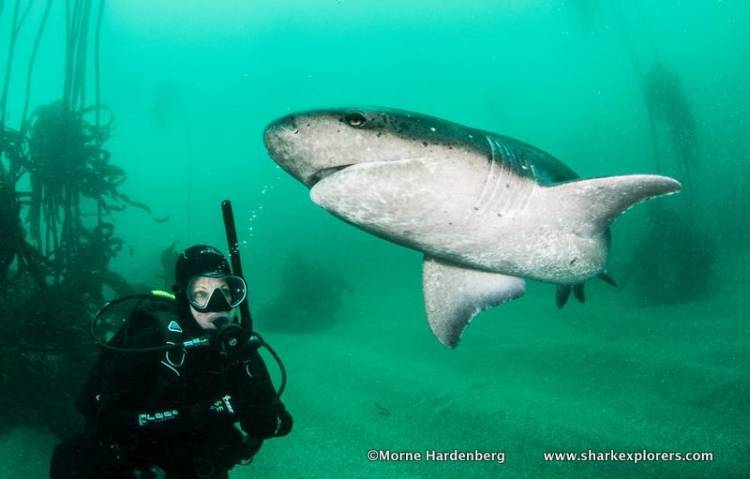
Sevengill/cow shark
- Seven gills (other sharks have five)
- Most primitive of shark species
- Grows up to 3m
- Large numbers gather in False Bay
Sharks are classified as Chondrichthyes (pronounced "con-drik-thees"). These are fish with skeletons made of cartilage rather than bone (skates and rays also belong to this class). Within the species, there is also a lot of variety – some catsharks can fit into the palm of your hand, while whale sharks can grow to longer than 12 metres!
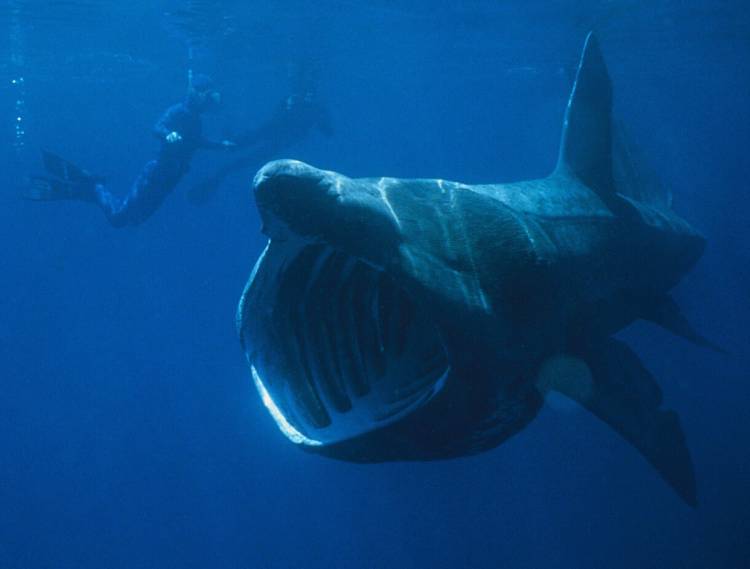
What do sharks eat?
What do sharks eat?
Sharks have different diets depending on their shape and size. Smaller sharks tend to be bottom feeders, hanging around reefs or the ocean floor where they can scavenge or collect the detritus that falls from the surface. Larger, pelagic sharks – the ones closest to the surface – hunt a variety of fish, or bigger prey like whales and seals.
_attacking_a_seal_shaped_decoy_..._(29724038004)_750_500_70.jpg)
How do sharks hunt?
How do sharks hunt?
Great whites are known for being precision hunters, using all five senses that humans also have – plus a few extras – to track down prey. They can sniff out a single drop of blood in 100 litres of water, and see very well in low light. They can also detect electrical impulses given off by other animals, as well as vibrations and pressure changes all along their bodies.
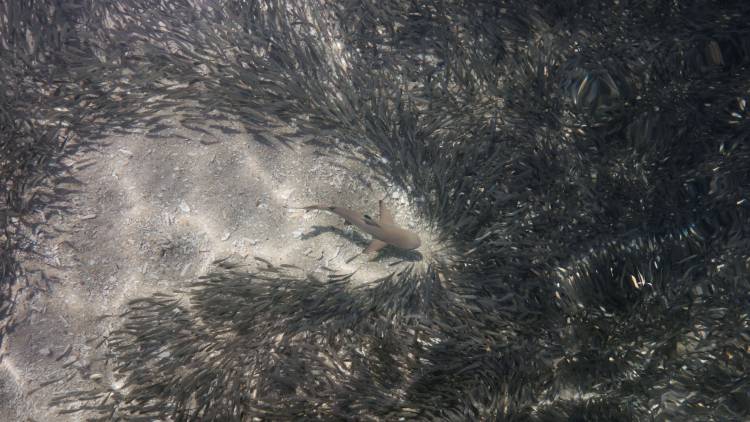
Other sharks have different methods. Ragged-tooth sharks take a gulp of air at the surface and use it to become buoyant, slowly creeping up on their prey with minimal motion. Whale sharks don't hunt at all, but rather swim with open mouths, filtering tiny plankton and krill from the water.
How do sharks reproduce?
How do sharks reproduce?
Many sharks are ovoviviparous, meaning they produce eggs that hatch within the mother's body. Life can be pretty brutal for a shark pup from the get-go – in some species, the strongest pup will eat its siblings before they are born, leaving just one other.
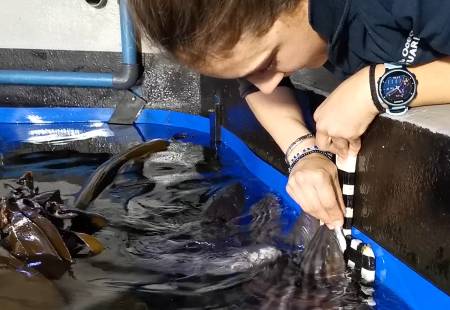
Others lay "mermaid's purses" – you can see them in our Atlantic Ocean Gallery. Look closely and you'll spot the babies wriggling around inside!
How deep can sharks go?
How deep can sharks go?
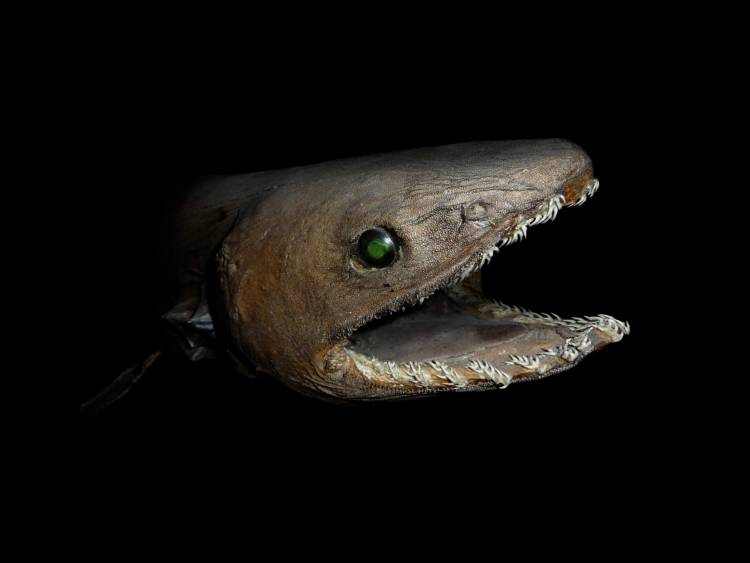
The deepest that sharks have been found is around 3 000m. But a more impressive feat is how far they swim.
How far do sharks swim?
How far do sharks swim?
We're glad you asked! While this is still an area of ongoing research, we know that great white sharks are capable of crossing entire oceans. A shark tagged in 2004 swam from South Africa to Australia and back, a distance of some 20 000km, while a more recent study found another great white swimming more than 32 000km, crossing the Atlantic and meandering along the US coast.

Are all sharks dangerous to humans?
Are all sharks dangerous to humans?
Not at all! While we obviously recommend exercising caution while swimming in the ocean, there is only a handful of species that have ever been implicated in unprovoked attacks on humans. Of these, attacks have often been due to mistaken identity – in other words, a human is mistaken for a seal or a turtle. (If you have ever looked up at a surfer from below the water, you'll know that this is an easy mistake to make.) Some individual creatures may be more aggressive than others and, of course, it is better to stay out of their way altogether. Remember, when entering the water, we are entering their territory.
As more and more people flock to South Africa's beaches, take up snorkelling or scuba diving, and go shark-cage diving, the increase in human activity in the ocean has led to more contact with sharks. One way of avoiding potential attacks is to move people out the way when a shark is in the area. On selected Cape Town beaches, this is done by shark spotters
Are humans dangerous to sharks?
Are humans dangerous to sharks?
Ever since the release of Jaws, sharks have received a lot of bad press. They have been portrayed as mindless killers with a taste for humans. In some cultures, shark teeth are seen as collectables and in others, shark fins are used in soup.
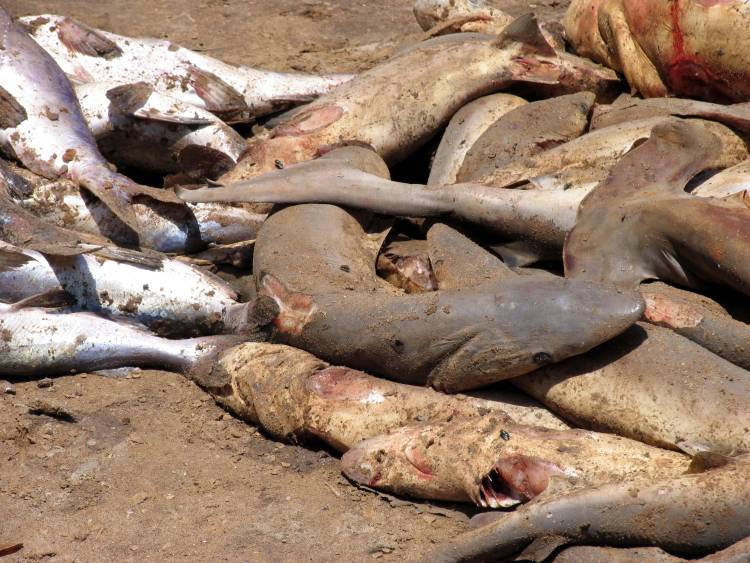
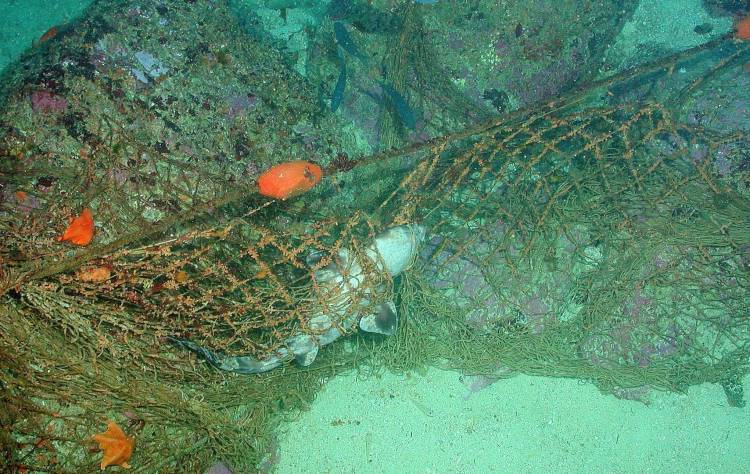
Add to this the overall trend of overfishing (where fish stocks are reduced so badly that populations cannot recover) and bycatch (where other species besides the one being fished are caught up in fishing nets), and the future looks particularly bleak.
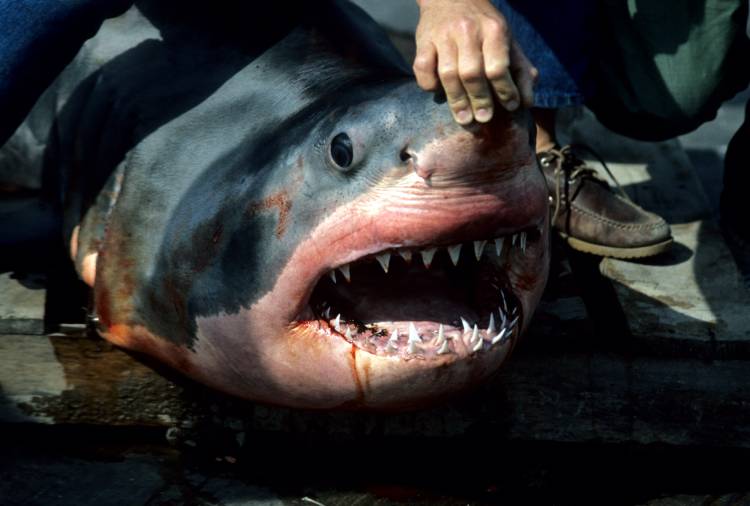
While sharks kill an average of about five humans a year, humans kill approximately 100-million sharks annually. That's more than 11 000 sharks killed per hour or 190 per minute. Every day. This slaughter is largely a result of the finning industry, according to this report. Sharks have their fins cut off and are then tossed back into the ocean, where they sink to the bottom and die a slow and inhumane death.
Sharks in captivity
Sharks in captivity
For the reasons mentioned above, the Two Oceans Aquarium has chosen to play a role in marine education and conservation. More than a third of all shark species are at risk of extinction. But we will not be able to save these majestic creatures from dying out if people never get the opportunity to see them with their own eyes.
We have built exhibits that closely mimic the real habitats of the animals we look after at the Aquarium. All 3 000-plus species at the Aquarium are cared for by experienced, passionate marine biologists, to ensure they remain well-fed, disease-free and, in some cases, properly socialised and stimulated.
Moreover, we consider the sharks on display at the Aquarium to be ambassadors for their species, playing a vital role in the wellbeing of their entire population. They spend a few years with us, educating the public and being cared for, and then we release them back into the ocean.
Kinds of sharks at the Two Oceans Aquarium
Kinds of sharks at the Two Oceans Aquarium
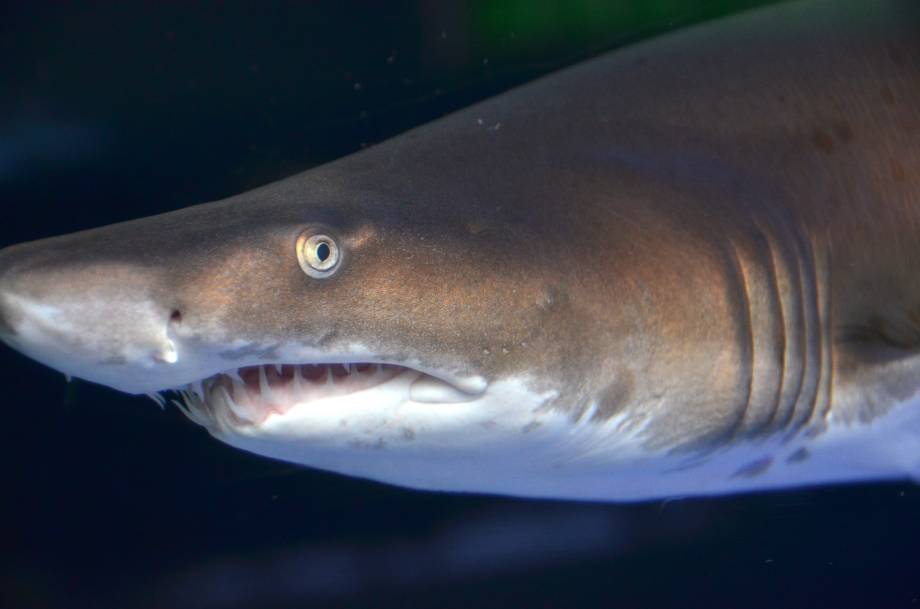
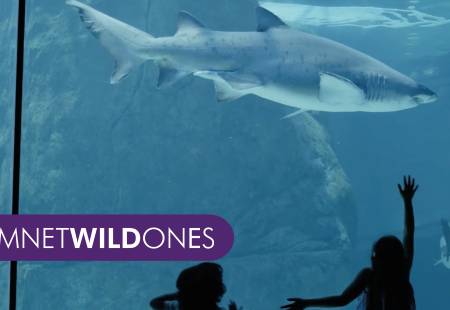
At the moment, we have several juvenile ragged-tooth sharks ("raggies") on display at the Atlantic Ocean Gallery. Despite their feisty appearance, they are placid and slow-moving, and they like to hover above the seafloor, near overhangs or caves. This makes them very adaptable to life in an aquarium.
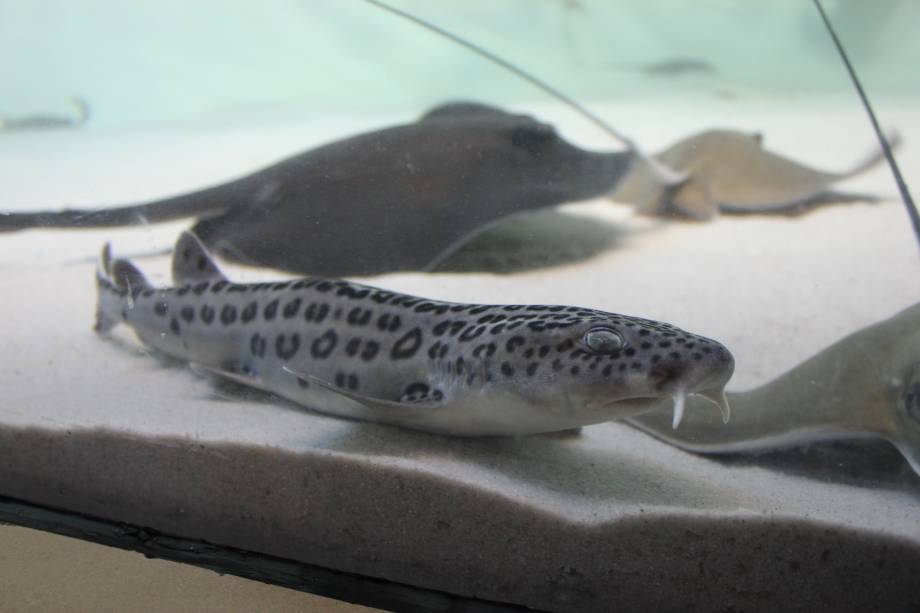
Once these juveniles reach a certain size, we will release them at Buffels Bay on the Garden Route, where other ragged-tooth sharks of a similar age are found. All our sharks are tagged before their release so that we can learn more about their behaviour.
We also have some catsharks on display in the Ocean Basket Kelp Forest Exhibit and the Indian Ocean Gallery.
Wait, you used to have other big sharks on display. What happened to them?
We released them! The large ragged-tooth sharks are no longer at the Two Oceans Aquarium. We returned them to the wild in May 2016. The I&J Predator Exhibit is closed down for renovations and upgrades. We know you love sharks, and so do we, and that's why we're hard at work creating a brand-new, dedicated shark exhibit.
Why don't you keep great white sharks at the aquarium?
Other aquariums have tried to display great white sharks but rarely succeeded. Great whites travel huge distances, they have to keep moving constantly in order to breathe, and they prefer to feed on live prey. This means they are not suited to an aquarium environment. Here's a great explainer video about that:
How does the Aquarium return sharks to the ocean?
How does the Aquarium return sharks to the ocean?
We've been doing this since 2004, and we've become pretty good at it!
First, we carefully transport the shark from our exhibit to a special holding tank on the roof of the Aquarium (using a "shark cone"), where it is given a full health inspection by a vet and tagged, so we can track its whereabouts. Watch this happen in this video:
Next, we administer a small anaesthetic to keep the shark calm while it is transported by truck to an appropriate release spot along the coast. We then release the shark from our boat, ensuring it safely swims away unharmed. Watch that happen here:
What happens to sharks after they are released?
What happens to sharks after they are released?
Special receivers, designed to listen out for the "ping" sound emitted by shark tags, are dotted along the coast. Every time a tagged shark swims past, we can log that information. Over time, we are building up a richer knowledge base about sharks, including their migratory patterns, their age, their breeding habits and other details. The more we know about them, the better we can protect the species.
Where can I see sharks in the wild?
Where can I see sharks in the wild?
Great white sharks can be seen leaping out of the water in pursuit of Cape fur seals in False Bay at Seal Island or in Gansbaai. If you choose to go shark cage diving, please ensure that you use a reputable, conservation-minded operator, such as Apex Predators (False Bay) or Marine Dynamics in Gansbaai.
For scuba divers, rocky Aliwal Shoal reef and Sodwana Bay, both in KwaZulu-Natal, are top spots for seeing whale sharks, raggies and black-tip reef sharks. Obviously, you should be a qualified diver and take all precautions when diving there.
Oh, and by the way, South Africa is also home to freshwater sharks that live in the Breede River. These sharks have been found as far as 5km upstream:
I love sharks - how can I help?
I love sharks - how can I help?
- Simply by visiting the Two Oceans Aquarium you are contributing to shark conservation. Part of your ticket fee goes towards our research efforts.
- Dive at the Two Oceans Aquarium. By experiencing ocean life from below the waves, you will gain a better insight into why marine conservation is so vital.
- Visit us again when our new, dedicated shark exhibit open later this year finished (follow us on Facebook and Twitter for updates).
- Help us spread the message to a new generation. Sponsor a schoolchild's visit to the Aquarium and our classroom (with school desks with built-in mini-aquariums!)
- Donate to conservation. Your full contribution will go towards our tag-and-release programme and sevengill shark research.
- Download and share our shark infographic. Print it out, laminate it and stick it up at your school, office and home.
- Support these great organisations: the South African Shark Conservancy, the Save Our Seas Foundation, the AfriOceans Conservation Alliance, Shark Spotters.
_450_310_70_s_c1_c_t.jpg)