
Okay, so let me start by stating the obvious: if you are reading this blog, which you are, you are looking at some electronic device. You are either staring at a computer screen, a notebook screen, a cellphone screen or a tablet. And that is just how we operate these days – electronics are intertwined with almost every aspect of our lives.
In the mornings we are woken up, not by the rooster’s crow, but by an electronic alarm. We brush our teeth with electric toothbrushes, and cook our food in microwaves and on electric stoves. We go to work and spend our days with more electronics. We even ask them for money (ATM) and plead for good luck (Lotto machines). These gadgets and gizmos have become essential to our everyday lives. Just think of the incredible lifesaving technology in hospitals!
But what happens to these electronic gadgets when they die? Where do they go and how does that affect us? They become electronic waste, or e-waste (cue ominous DUH-DUH-DUUUUUUHH music).
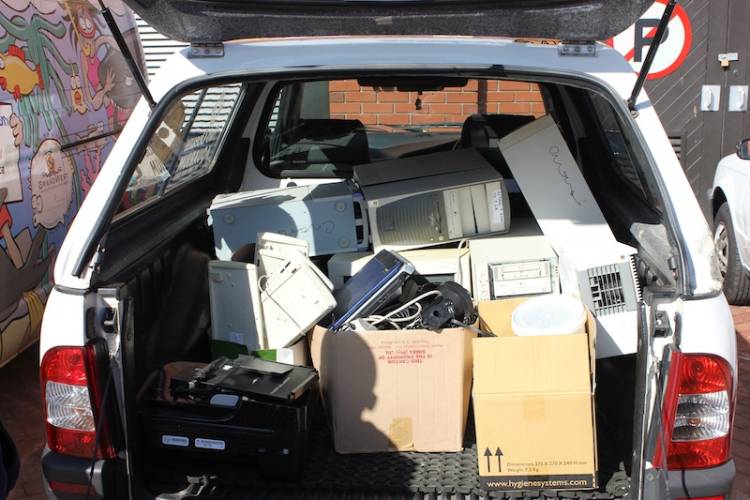
So, what exactly is e-waste? The all-knowing Wikipedia defines e-waste as follows: “Electronic waste, e-waste, e-scrap, or waste electrical and electronic equipment (WEEE) describes discarded electrical or electronic devices.” Now, just think about what in your home, purse, backpack, back pocket, office, car, etc. could become e-waste. Just about everything, including the gate remote and the cellphone charger.
Did you know that computer monitors and televisions are considered hazardous waste and have to be disposed of accordingly? What about the rest of your computer? And your cellphone? Each of these pieces of electronic equipment has to be recycled or disposed of properly, otherwise they will end up in a landfill where they will leach hazardous chemicals into the soil and groundwater. In Ghana there is a market called the Agbogbloshie market where unwanted electronics and electronic waste from the West is burned to retrieve valuable elements like copper. This releases toxic chemicals into the air and ground.
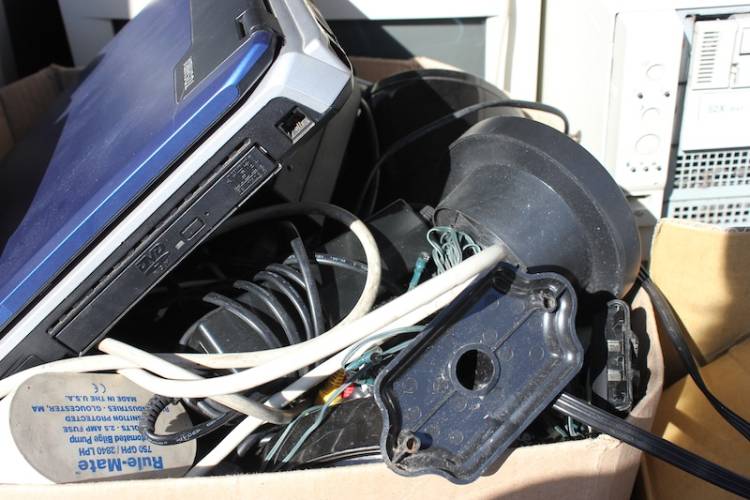
So, what can you do to minimise electronic waste?
Be responsible. Like most things in life, being responsible for something compels one to look after it. We live in a world that is so incredibly instant and throwaway that we have forgotten what it is to be responsible for our toys. So, be responsible for your electronic equipment ... from before you buy it. Do some research into which companies are eliminating harmful substances from their products and then choose wisely. And while you are enjoying the wonders of your electronic gadget or gizmo, be responsible for it. If you look after something, you won’t have to replace it that often – saving you money.
And when your wondrous piece of electronic equipment has given up the ghost – be responsible for it. Do not chuck that old computer in the rubbish! Not only does it deserve better, so do the landfill and the people working there and the groundwater and the soil!
Have a look at eWasa’s (e-Waste Association of South Africa) website, http://www.ewasa.org/. Here you will find an e-waste recycler in your area. The Aquarium sends its e-waste to a company called Cape e-Waste Recyclers. You can contact them on +27 (0)21 987 7133 or visit http://www.capeewaste.co.za/.
Stay in touch: for daily Aquarium updates, follow us on Twitter (@2OceansAquarium) and become a fan on Facebook.