In 2012 a dead sperm whale washed up on Spain’s south coast. This whale had swallowed 17kg of plastic waste dumped into the sea, and scientists were amazed to find the 4.5-tonne creature had swallowed 59 different bits of plastic – most of it thick transparent sheeting used to build greenhouses – and the plastic had eventually blocked the animal’s stomach and killed it.
Plastics have revolutionised our lives. They are lightweight, durable and exhibit diverse structural properties, making them ideal for a wide range of applications, and it is almost impossible to conceive how our lives would be without them. But many of the properties that make plastics so versatile also predispose them to becoming environmental pollutants. The low density of most plastics allows them to be readily dispersed by water or even the wind, carrying them far from source areas. Added to this, synthetic polymers are largely impervious to biological decay, breaking down slowly only when exposed to ultraviolet radiation. Litter that is underwater or buried may survive intact for hundreds, or even thousands, of years.
Plastic is increasingly being recycled but still there is a continued propensity among people to litter and continue with poor waste management. Some of this waste finds it way to the seas of the world, with consequences, as shown with the sperm whale.
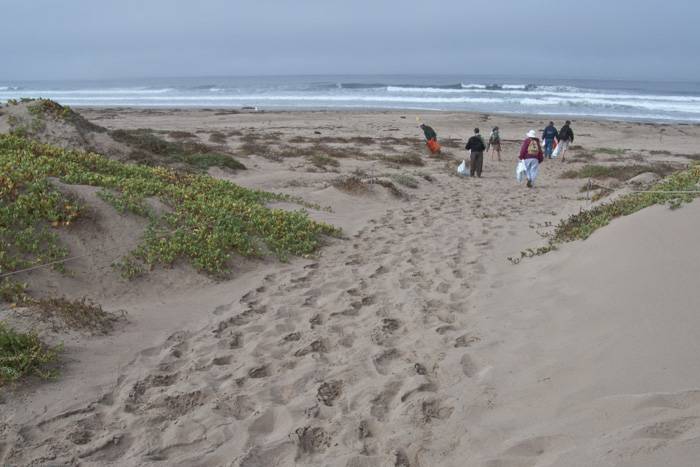
In June 2013 the first African conference to look into the issue of marine debris was hosted in South Africa under the auspices of Plastics SA, the United Nations Environmental Program (UNEP) and the Department of Environmental Affairs, as the issue of marine debris is growing on the African continent and its surrounding seas (read Aquarium staff member Hayley McLellan’s report from the summit). More and more clean-ups are happening in Africa to address the scourge of littering.
Beach and river clean-up events are a positive way to get society involved in hands-on stewardship and if they collect data as they clean up litter, then they become citizen scientists and help researchers better understand the sources, impacts and solutions to debris in the ocean.
The International Coastal Clean-up is the world’s largest volunteer effort to clean up waterways and the ocean. One of the best ways to support the environment is to remove debris and litter from our waterways and the sea. The best way to remove debris from the sea is to do coastal clean-ups.
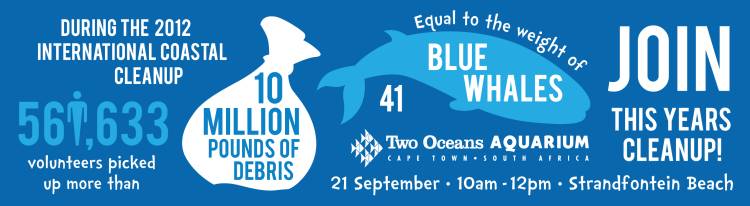
21 September sees the 27th International Coastal Clean-up, and we are looking for support.
Marine debris is one of the most widespread problems threatening our seas. Discarded litter in the water can impact human health: sharp items can cut beach-goers, and batteries and chemical drums may leak toxic compounds. Debris also threatens wildlife – even the mightiest whale can drown when entangled in old rope or fishing nets, and many fish, birds and mammals eat litter that they mistake for food.
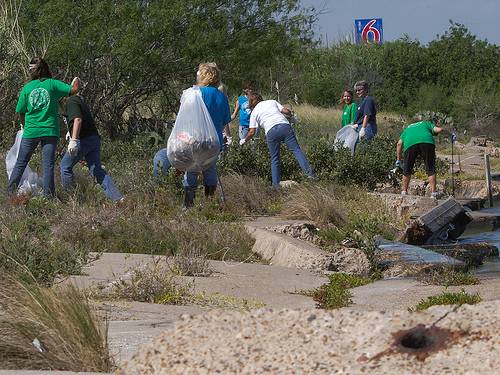
Our vision is of a debris-free ocean. From product design to disposal, we all have a role to play in keeping our ocean clean and free of pollution. The 2012 International Coastal Clean-up marked 26 years of volunteers making our oceans cleaner and gathering data that provide the only global snapshot of this problem. If you can think of an item, volunteers have found it on a beach – from bottle tops and toys, to waste from industry and abandoned fishing gear. Our annual clean-up data report helps illustrate the problem and highlight the need for all of us to work together to find solutions.
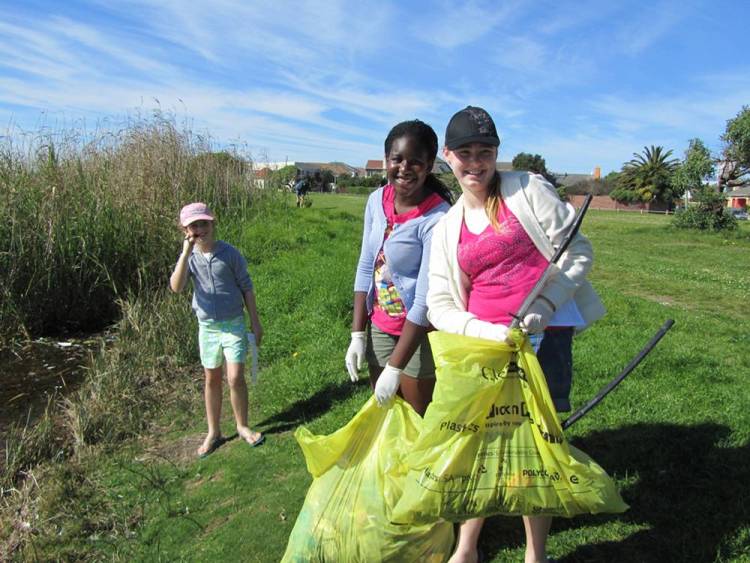
Check out a photo essay of last year’s Beach Clean-up.
Stay in touch: for daily Aquarium updates, follow us on Twitter (@2OceansAquarium) and become a fan on Facebook.