
Xavier Zylstra is a senior teacher at the Environmental Education Centre. He joined the Aquarium in April 2009 after 21 years as a high school biology teacher. He presents lessons about various environmental topics and special animals kept in the Discovery Centres to visiting groups of all ages, along with the other members of our dynamic team.
In a blog I published in November 2010, I introduced the shysharks which had been hatched out of “mermaid’s purses” in the Discovery Centre earlier that year.
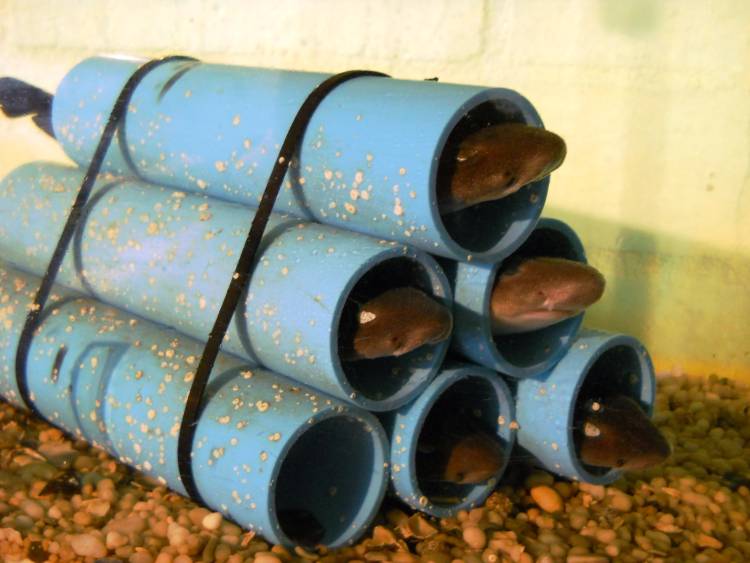
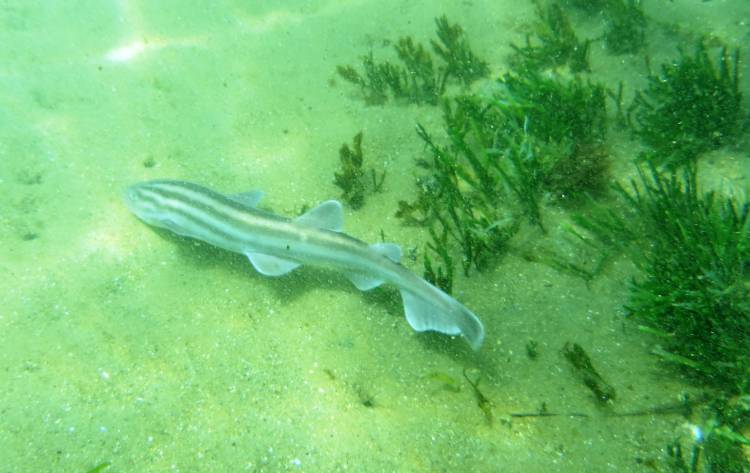
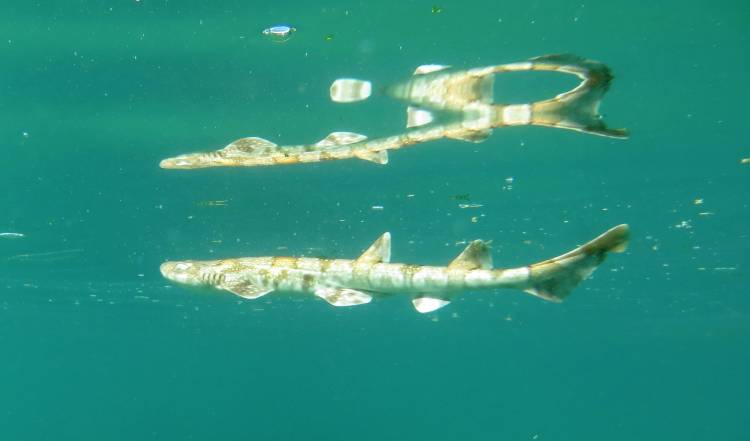
It turned out later on that most of them were, in fact, leopard catsharks, with some puffadder shysharks and one pyjama catshark among them. As they grew and continued to act as ambassadors in my shark lessons, new, larger tanks had to be constructed. As they started to outgrow the latest of these larger tanks, it was decided that we would pass on ambassadorial duties to some of the smaller, recent hatchlings and take the four-year-olds down to the Simon’s Town yacht basin for release.
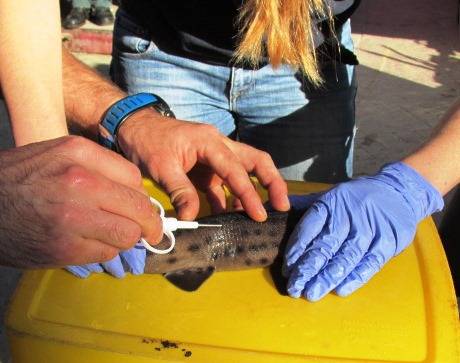
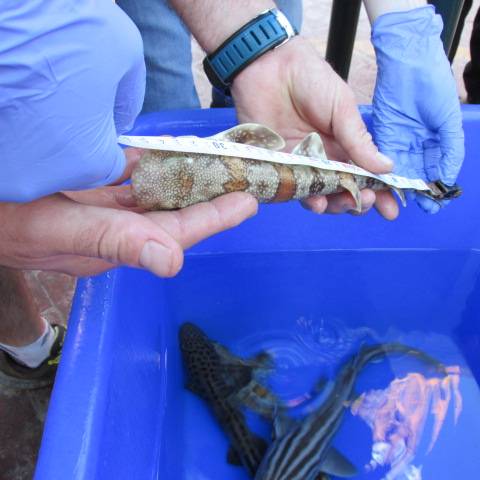
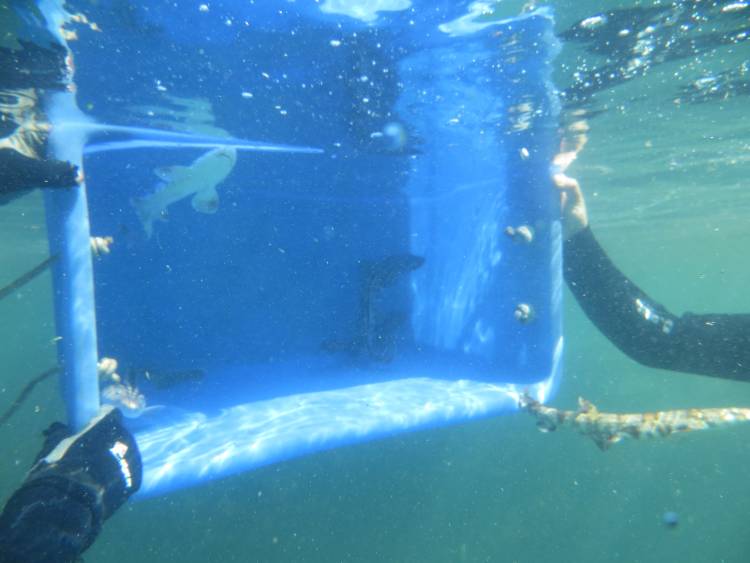
All six of them were carefully weighed and measured, and four of the bigger ones, just under 30cm long, had data tags inserted under their skin. After comments like: “They grow up so fast nowadays” and “Aren’t you going to miss your babies?” (Yes, I am!), they were loaded and driven over to Simon’s Town, transferred to a large tub of water, floated out to a small reef in the yacht basin and allowed to swim away to their new home. After a few moments of confusion at having distinctly larger and deeper boundaries than normal and one last “spy hop” to see if there wasn’t a morsel of food available before leaving, they all turned downwards and swam away into the kelp.
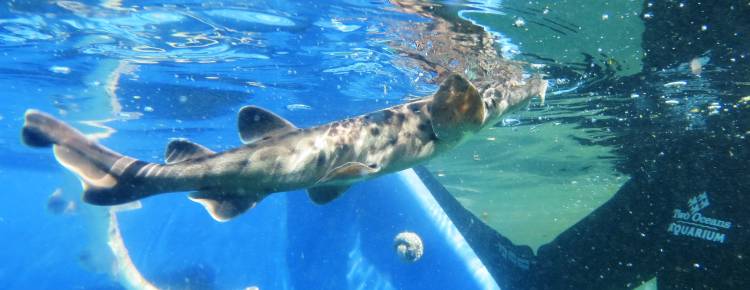

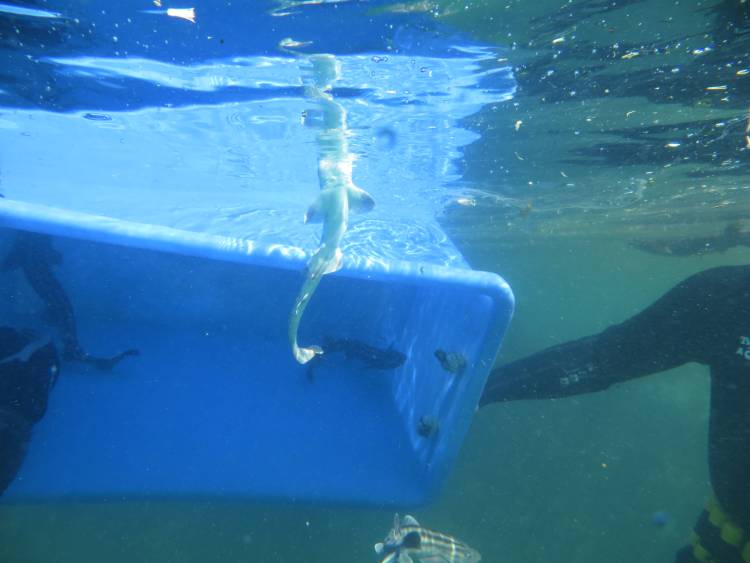
In my time with these sharks I have watched them emerge from their eggs, a mere 4cm long, and outgrow two tanks. I started them off by feeding each one tiny bits of food by hand and then weaned them to foraging for themselves. I learnt that they would never become apex predators, but were, like so many sharks, scavengers that spent most of their time hiding away and sleeping, coming out cautiously to grab at anything smelling strongly of food, constantly wary of larger predators which would not hesitate to add them to their diet.
Sadly, this tendency to scavenge for food often finds them at the end of a fishing hook and the fishermen, more often than not, will kill the shark before removing the hook, out of fear that the shark may bite them or come back to attack their bait again… I sincerely hope that my little ambassadors will not meet such an untimely fate.

Stay in touch: for daily Aquarium updates, follow us on Twitter (@2OceansAquarium) and become a fan on Facebook.