

Our beloved Bob is nearing the end of his time with us at the Aquarium and, as many people know, the reason Bob was brought into our care was ultimately a result of human error - specifically, plastic waste entering the ocean. Plastic pollution is a global crisis facing our ocean and it’s one that we’re all responsible for. When it comes to contributing towards keeping our oceans plastic-free, many feel insignificant and are unsure of where to start. Well, joining an environmental clean-up is an amazing place to start!
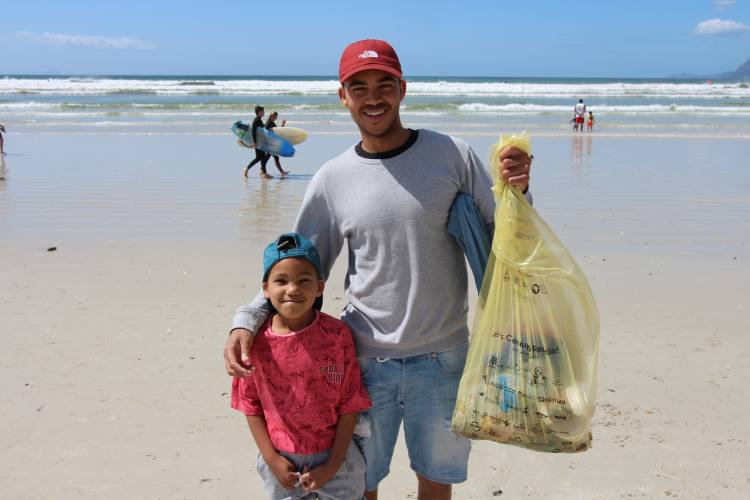
We acknowledge that you may be correctly disposing of your plastic waste, and you may not be littering – if so, well done! However, as a consumer, we all share the responsibility for the waste generated from the production and disposable chains. We know the importance of overcoming consumerism, but environmental clean-ups mean that we are solving the plastic issues by cleaning up the mess more directly!
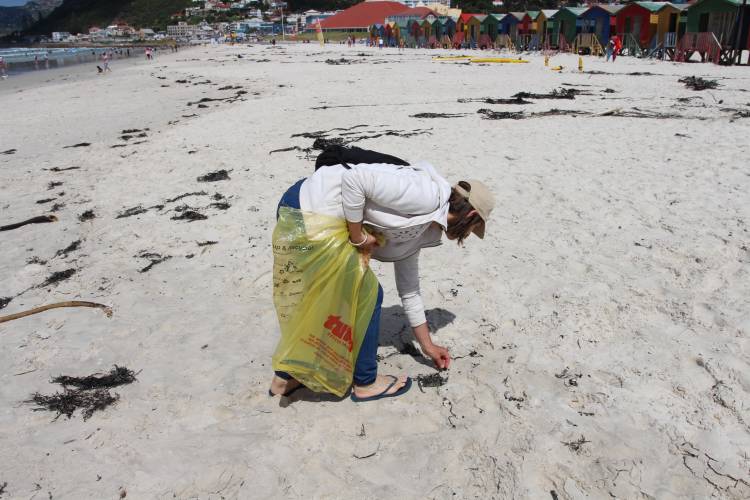
Each year, over eight million tonnes of plastic end up in our oceans. This is the equivalent of a garbage truck filled with plastic offloading into the sea every single minute of the day. Research carried out by the University of Cape Town indicates that 94% of the litter on South African beaches is made of plastic.
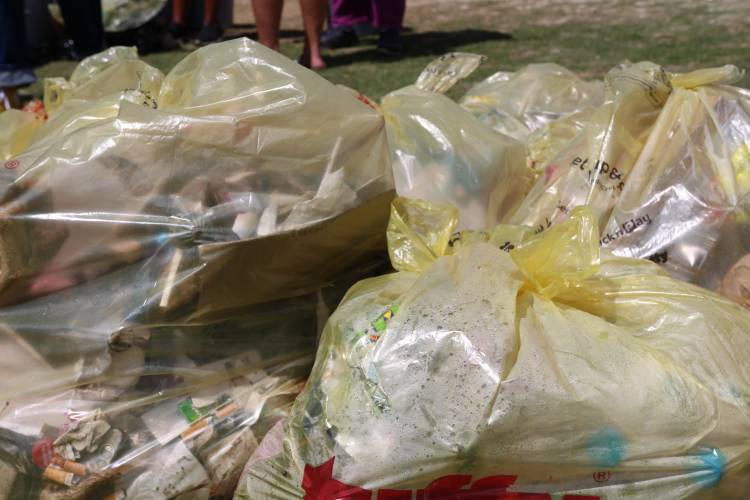
If you’re unsure of how to start your clean-up journey, simply support a local beach, waterway, river, or other environmental clean-ups in your area. There is also huge significance in simply picking up a few pieces of litter wherever you may find yourself, outside of formal clean-ups.
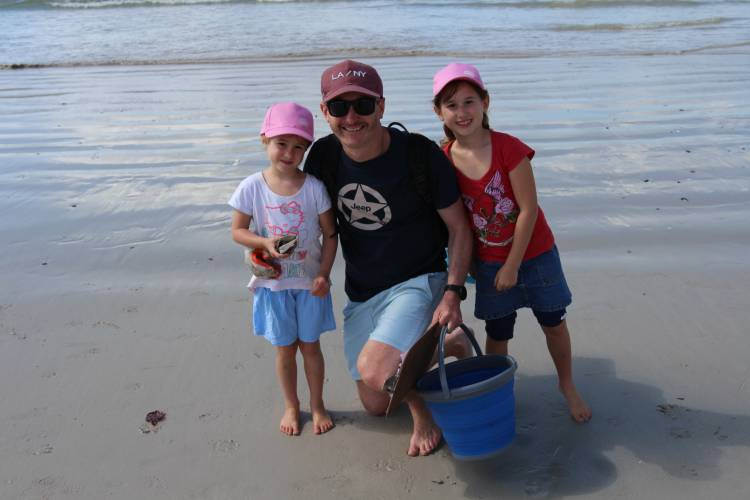
Why clean-ups make a difference:
- Every piece of litter we pick up is a reminder of how our addiction to plastic contributes to the global problem.
- As many initiatives are citizen-science programmes, by picking up litter we are contributing to research in determining where the pollution originates from.
- Every time we pick up a piece of litter, we affirm our role as part of the solution rather than the problem.
- We start spending time and forming communities with like-minded individuals who care for our oceans.
- It’s fun!
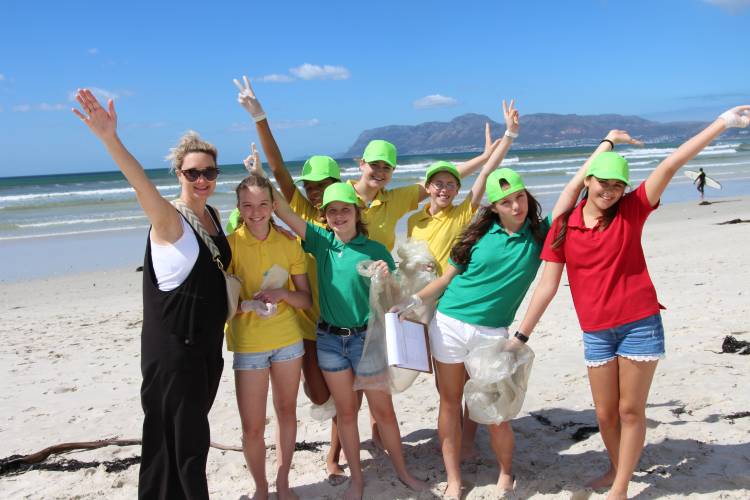
Although the physical impacts of coastal clean-ups can be short-lived if they aren't repeated, studies prove that the psychological impacts are great. Studies definitively show that clean-ups improve public perception and awareness of the plastic pollution problem, as well as encourage alternative solutions. Plus - being outdoors is always great!
The Flipper Effect: Protect Bob's Home
_1_750_481.png)
While Bob is being readied for release after eight years of difficult rehabilitation, we realise we won't be able to protect him anymore. The reality is simple: The ocean is not safe for turtles. Together we can change that. Bob will be facing many of the same human-caused threats that resulted in his stranding in the first place, and which are the cause of harm to the overwhelming majority of distressed sea turtles
In order to create an ocean that is safe for Bob and all other creatures that call it home, we must continuously take small actions towards protecting it - these small actions compound into big change. This is #TheFlipperEffect!