
To buy or not to buy?
Arum lilies are in full bloom around Cape Town. It is tempting to buy bunches of these elegant flowers from the sellers at the side of the road, and put some much-needed money in their pockets.
Did you know?
It is illegal to pick arum lilies within 50m of a road and you need written permission from the landowner as to how many flowers you can pick. To sell these flowers at the side of the road, the seller needs a hawker’s licence from the City of Cape Town. Most arums for sale in our city are picked and sold illegally.
Why permits for flowers?
The permits are put in place to protect our indigenous plants and animals. Cape Town is a global biodiversity hotspot, which means it is one the richest, but also one of the most threatened, reservoirs of plant and animal life in the world. The Cape Floristic Region, in which the City of Cape Town is located, is also unique in that it’s the only hotspot to encompass an entire floral kingdom. Only six floral kingdoms exist and the Cape Floristic Region comprises the smallest land area. If we pick and sell all the flowers now, there will be nothing left for future generations to enjoy.

Homes and food
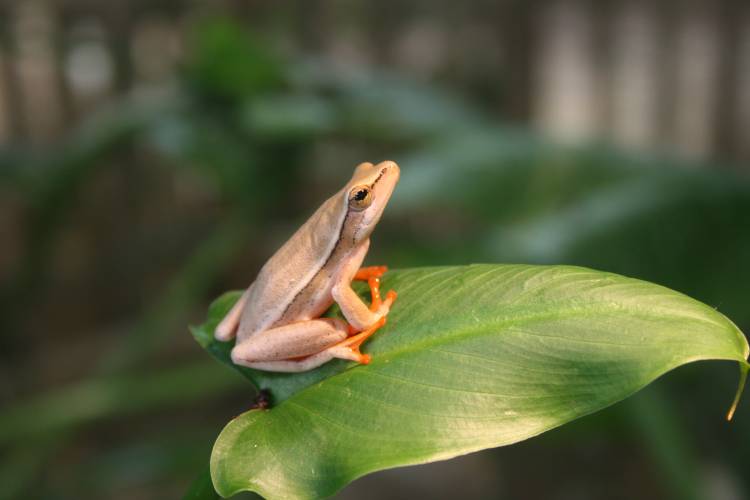
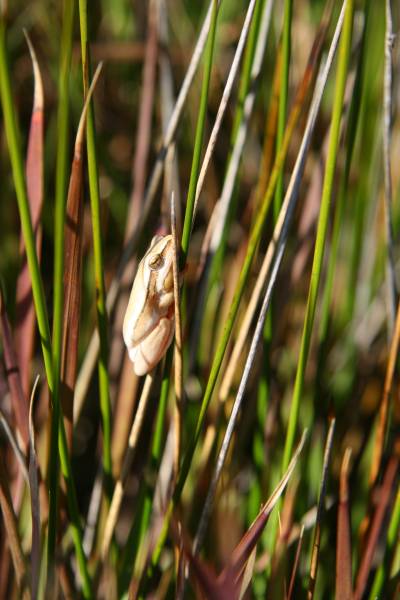
Plants provide shelter and food for animals. Arum lily frogs, Hyperolius horstocki, which are found only in the Western Cape and nowhere else in the world, often hide in the flowers of arum lilies during the day. These little frogs (up to 40mm in size) tuck their bright orange feet and legs underneath them and use the white background of the flower as camouflage. The frogs can also be seen clinging to other plant species such as restios. These pretty frogs breed in small pans, dams, vleis and even quiet streams. Their habitat is being threatened by urban development.
Porcupines and arum lilies
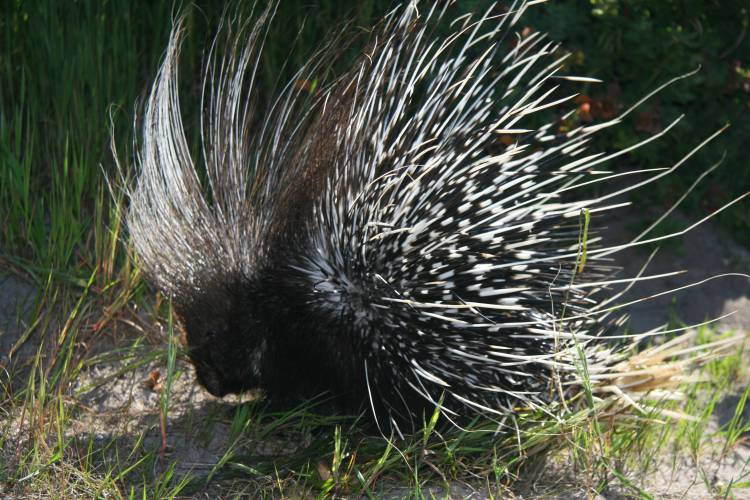
In some areas of Cape Town, such as the coastal section of Baden Powell Drive between Muizenberg and the N2, you will see great numbers of arum lilies in bloom. This would not be the case if there was still a healthy population of porcupines in Cape Town. Porcupines love to eat the rhizomes (roots) of arum lilies. Sadly, our porcupines have been hunted, killed by cars and poisoned, so there are fewer and fewer of these animals living among us.
Stay in touch: for daily Aquarium updates, follow us on Twitter (@2OceansAquarium) and become a fan on Facebook.