
This time last year we broke ground for the construction of our new large-scale exhibit. Having followed our series of blogs during the year, many of you are now probably wondering when the new exhibit will open.
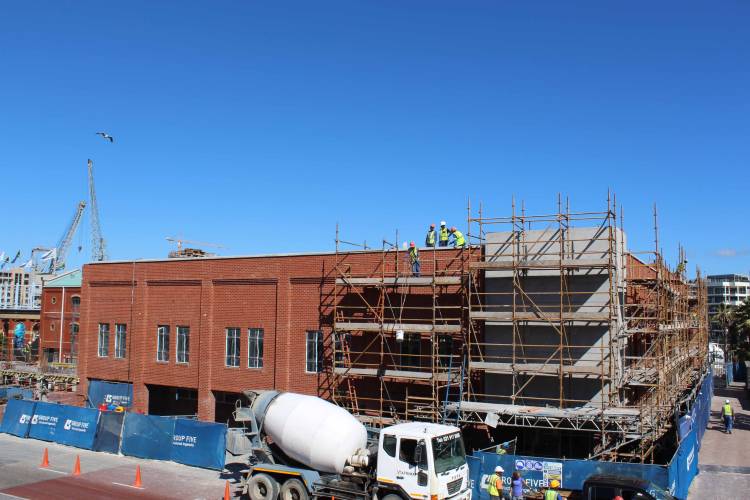
Those who have home aquariums will have a small inkling of what it takes to set up an aquarium, but imagine building an aquarium that is six metres deep, needs to safely hold 1.5-million litres of seawater, has massive acrylic windows that weigh several tonnes and needs to provide a home for a variety of marine species, ranging from rays and turtles to fast-swimming fish such as tuna.
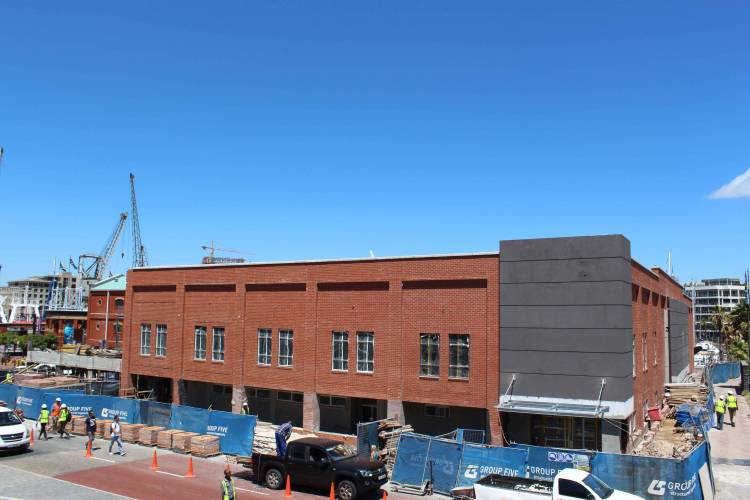
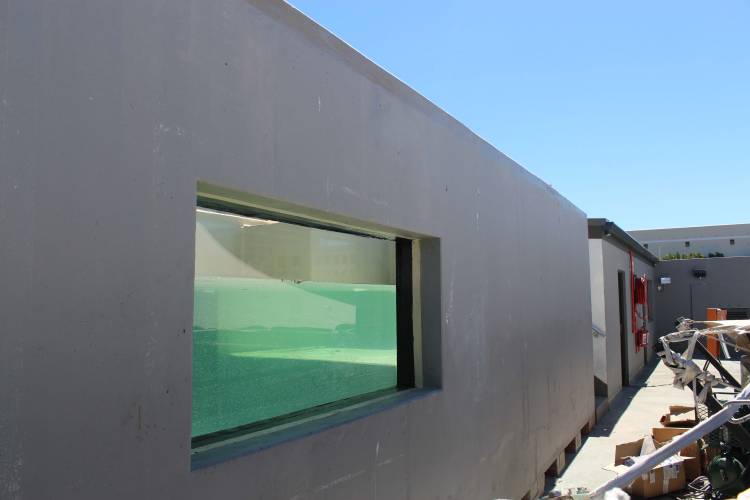
Aquariums have evolved from 19th century grandiose architectural statements in which small exhibits lined the walls like paintings in an art gallery, into dynamic places that entice us into another world. The advent of acrylic plastic viewing panels in modern aquariums opened giant windows onto the ocean and introduced a sense of the dramatic in exhibit design. As visitors to an aquarium, we no longer peer at the animals through tiny portholes, but are immersed (albeit without getting wet!) in the magnificence of the life portrayed behind the storey-high acrylic panels.
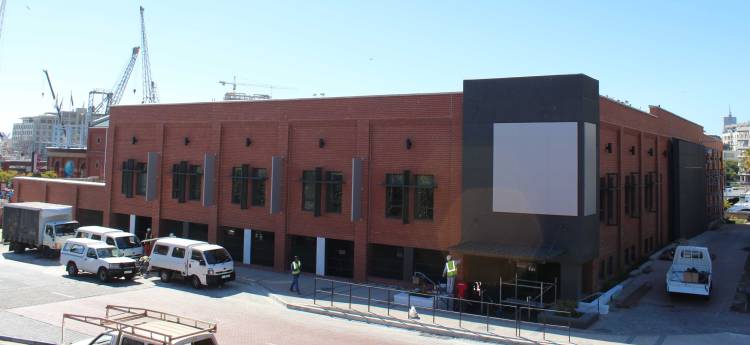
Acrylics are much stronger than glass and at the thicknesses that we require, glass would distort the view so much that the fish would hardly be visible. With acrylics, there is very little distortion and what you see on the other side is pretty much the actual size and colour of the animals.
Early aquariums in the 19th and 20th centuries displayed animals individually, whereas modern ones focus on communities and ecosystems. Today, exhibit designers and aquarists are challenged to come up with exhibits that replicate the occupants’ natural habitats as closely as possible, while inspiring and informing visitors.
The design of any aquarium is critical as animals have specific needs, and the creation of suitable habitats must ensure not only that the animals’ needs are met, but also that the life support systems are incorporated in an aesthetically pleasing manner for visitors. Rockwork has to be designed in such a way to provide the animals with an environment to which they are accustomed, so that they do not suffer any stress.
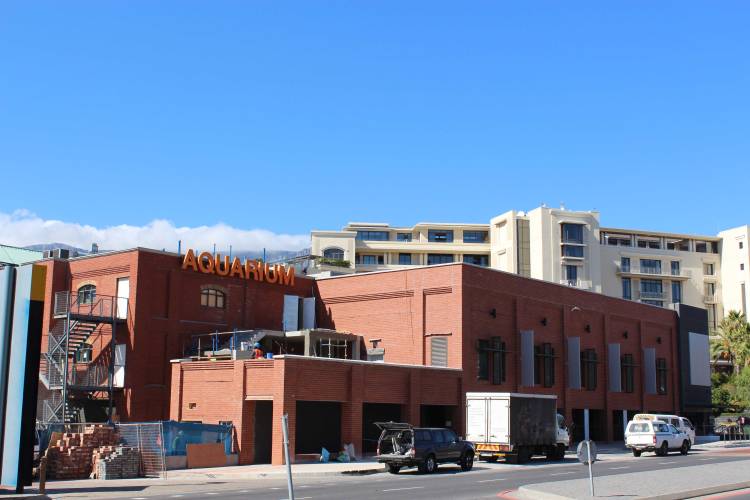
With all this and more in mind we need to make sure that the new exhibit is the best it can be, both from a public perspective and an animal perspective, before we open and invite the world in. While we are disappointed that we have had to postpone the opening until later this year, we are confident that it will have been worth waiting for and that the exhibit will be a beautiful addition to our current facility.
See also:
- The latest news on our expansion project
- Tunnel vision at the Aquarium as construction continues
- Aquarium expansion has us all a-twitter
- Aquarium expansion: month six
- Construction continues on our new exhibit
- Aquarium expansion: all coming together
- Aquarium expansion: month three
- Aquarium expansion: month two
- Aquarium expansion: one month in
- A ground-breaking day at the Aquarium
- We’re expanding!
Stay in touch. For daily Aquarium updates, follow us on Twitter (@2OceansAquarium) and become a fan on Facebook.