
From 9 to 13 July 2017, Two Oceans Aquarium Environmental Campaigner Hayley McLellan and Online Content Executive Ingrid Sinclair were fortunate to attend the African Marine Waste Conference (AMWC) in Port Elizabeth. The event was organised by the Sustainables Seas Trust and, as all good conferences go, the programme was packed with interesting and enlightening presentations by some of the world’s foremost researchers, industry role players and government stakeholders.

The emphasis of the presentations and discussions at the AMWC was very much on solid waste management and the reduction, at source, of plastics leaking into the world’s waterways and seas. As such, education and awareness, recycling, and economic incentives enjoyed a lot of airtime. Unfortunately there was no representation from brand owners or the retail sector, so while it was generally agreed that the consumer’s role in stemming the rising tide of ocean plastics is huge, few of the delegates could speak to the nature of changes happening or required in the arena of consumption, specifically around product packaging and alternatives at retail level. There were also no signs of the production of plastic slowing down - due to the low oil price, virgin plastics remain a lucrative and growing industry.
Nevertheless, it was a fruitful week with many insights gained. Here are some of our key takeouts from the 2017 AMWC.
Ocean plastics are in league with climate change, ocean acidification and biodiversity loss
All of the delegates attending the AMWC were already familiar with the facts: that by 2050, there will be more plastic than fish in the sea. That ocean plastics bioaccumulate harmful toxins, poisoning the web of life from the level of plankton to humans’ plates. That in 2015, people threw out almost as much plastic as they made.
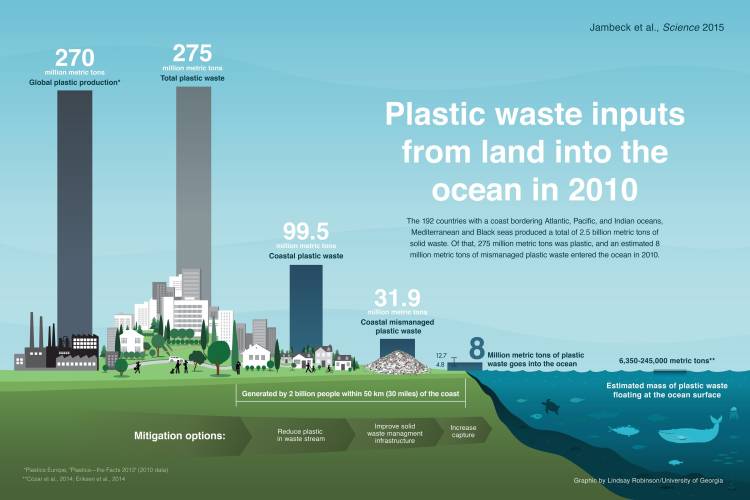
Among the esteemed presenters was Jenna Jambeck, Associate Professor of Environmental Engineering and Director: Centre for Circular Materials Management at the University of Georgia, who is the lead author of the influential 2015 academic research paper “Plastic waste inputs from land into the ocean” (Science, volume 347 issue 6223). Jenna commented that the 620% increase in plastic production over the last 40 years represents the kind of growth that “would break any ecological system”.
It’s time to choose
A highlight of the conference was Dr Sylvia Earle’s keynote address. Dr Earle, affectionately known as “her royal deepness”, is an American marine biologist, explorer, author, and lecturer who has dedicated her life to raising awareness for our life-support system, the ocean. Through her organisation, Mission Blue, she has embraced “ocean optimism” by establishing Hope Spots around the world – special places that are critical to the health of the ocean. There are six Hope Spots on the shores of South Africa: False Bay, the Cape Whale Coast, Knysna, Plettenberg Bay, Algoa Bay and the Aliwal Shoal area in KwaZulu-Natal.
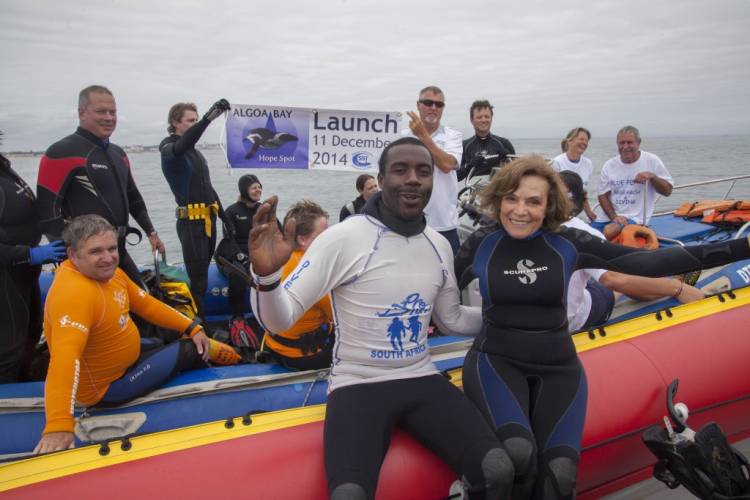
For Dr Earle, the key questions we are facing today are: “Who are we (and how did we get here)?”, “Where are we going?”, and “How are we going to get there?”. She challenged the audience to really ask themselves, “What is the future we want?” and then to understand that the choices we make today will determine that future.
Dr Earle also tackled the issues of waste and fossil fuels. “In nature there is no waste,” she said. “Everything has a place. The idea of waste is a human concept.” She also acknowledged fossil fuels’ vital role in helping us get to where we are today: prosperous and more knowledgeable. “That includes the knowledge that we have to change,” said Dr Earle. “The cost of our prosperity we’re just now being able to begin to assess. Armed with knowledge, armed with awareness, we now have the power to choose.”
What gets measured, gets managed
“What gets measured, gets managed.” So said Operation Phakisa Head of Oceans Economy Secretariat André Share during his opening address. His words were echoed throughout the conference and there was overwhelming support at the AMWC for more African research that quantifies, categorises and traces flows of waste as they move from industry to consumers, and downstream into the ocean.
Allison Schutes of the Ocean Conservancy talked about the data collected during the 31-year history of her organisation’s beach cleanup efforts. Over the years, the Ocean Conservancy has involved 12 million volunteers (including thousands from South Africa), collected more than 100 million kilograms of beach litter, and documented more than 245 million items of ocean trash. The organisation’s aim is manifold: to connect like-minded groups across the world, to raise awareness, to translate citizen data into more relatable and understandable educational materials, and to help provide meaningful statistics in the search for solutions.
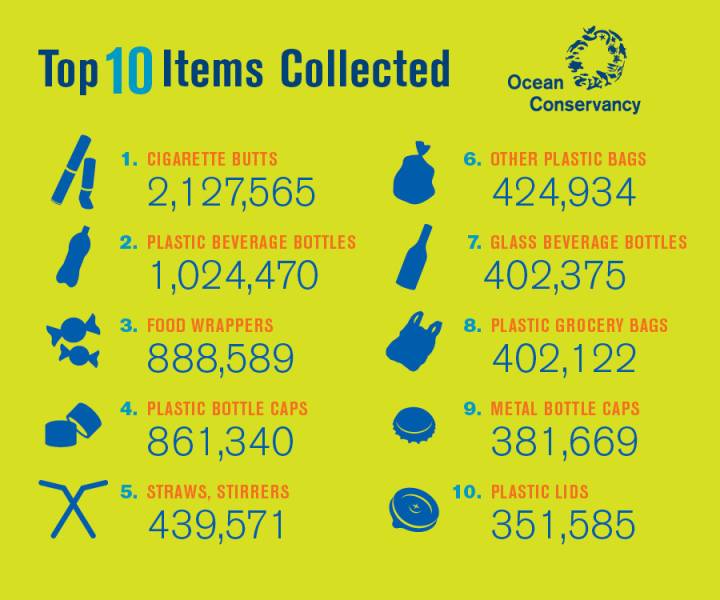
Peter Murphy of the NOAA Marine Debris Programme spoke of how his organisation’s removal-and-research projects in Alaska, Florida, Maryland and California have provided compelling messages for prevention. Not only do these projects add to the growing databases of marine debris around the world, but the citizen actions required to make these projects work also translate into environmental sensitivity and behaviour change.
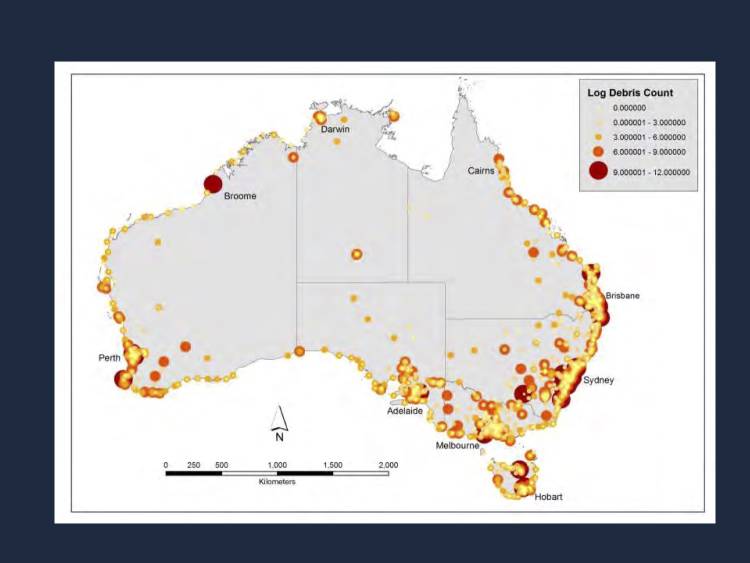
Dr Britta Denise Hardesty of the Commonwealth Scientific and Industrial Research Organisation showed how data can deliver key insights, as it did in her amazing Australian study that traced that continent’s coastline. The research team performed detailed beach debris audits every 100km! For these scientists, counting and categorising beach debris helped them calculate the baseline statistics of contamination, which in turn informed action and policy. Their data found that population size was important, but socio-economic profiles, site types and land use played a bigger role. For example, they found that transient spaces like parking lots were more prone to having litter, compared to beaches or city parks. The insight here was that places with aesthetic or personal value weren’t littered on as much as places that people moved through and didn’t connect to in a meaningful way.
Plastic is woven into the fabric of all life on earth
Plastic pollution and its solutions are threaded throughout the web of life. NOAA’s Peter Murphy talked about the “false crawls” of loggerhead turtles in Florida, who wouldn’t nest on their beaches when beach debris was present.
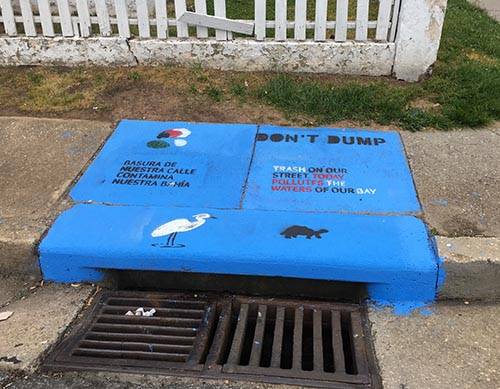
A storm drain painted by Masonville Cove community members to raise awareness that litter drains to the river. Photo courtesy NOAA
In Baltimore, NOAA is working with substance abuse recovery centres to divert waste from landfill and build a sense of community and shared responsibility. The urban centres of Baltimore are characterised as “food deserts”, where junk food (that comes with lots of packaging) is more accessible than grocery stores. These urban centres also have the added problem of a lack of trash receptacles, making the litter issue particularly bad. These programmes enact ways of healing and care that extend beyond the pragmatic preoccupations with waste management.
In Mozambique, the availability of construction materials made out of recycled plastic had the added benefit of reducing the amount of mangroves cut down to build structures, according to Fauna and Flora International’s Pippa Howard.
Plastic waste has social and health dimensions beyond the readily apparent effects on beaches and wildlife. In Ghana, for example, devastating floods were the direct result of drain blockage by plastic debris. Lack of drainage also leads to stagnant water bodies, the ideal thing for mosquito-borne diseases like malaria, according to Senior Marine Advisor to the Prince of Wales Foundation’s International Sustainability Unit Kristian Teleki.
Jenna Jambeck reiterated the fact that ocean plastic is about “garbage and its close connection to people”. A sustainable solution to ocean plastics cannot exist without taking into account the triple threat of unemployment, poverty and inequality – especially true in the African context. As such, there is no one-size-fits-all solution to plastic pollution. Programmes need to be sensitive to the specifics of the locales in which they operate, and need to be built on solid and deep localised data.
Plastic and the economy
The phrase “circular economy” was used a lot at the AMWC. The circular economy is defined as “a regenerative system in which resource input and waste, emission, and energy leakage are minimised by slowing, closing, and narrowing material and energy loops. This can be achieved through long-lasting design, maintenance, repair, reuse, remanufacturing, refurbishing, and recycling.”
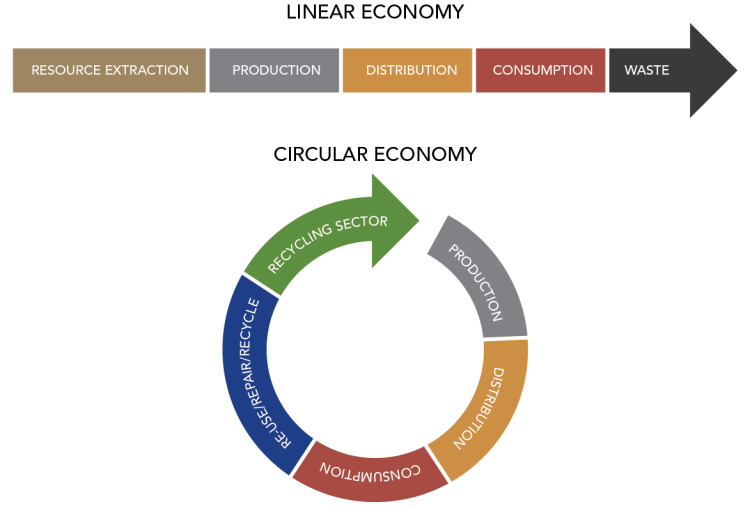
Plastics Europe Executive Director Karl Foerster said the circular economy is particularly important in Europe, where it is showing promising signs of success so far, for two reasons: firstly, Europe doesn’t have its own natural resources so it’s important for the continent to maximise use of the resources already in circulation; and secondly, there is very little space for landfill in Europe, making that option extremely and increasingly expensive. Karl said that the circular economy turns on four principles: full life-cycle thinking, environmental protection, social wellbeing, and awareness building.
Closer to home, USE-IT’s Chris Whyte also championed the virtues of a circular economy, but placed it within the African context. “We have engineered our way into this, and we can engineer our way out of it,” he said. By rethinking the construction industry, USE-IT helps develop and market to scale long-life products like the Rambrick, which makes use of local resources and inert waste to build structures at lower costs. Programmes like these also create jobs and offset the impacts of the commodity outfall associated with the growing middle class and rising consumption in Africa. Furthermore, said Chris, "Africa is energy-poor and yet we have thousands of generators running on liquid fuel; the continent is therefore perfectly primed for waste-to-energy programmes. What we need is a paradigm shift, and USE-IT believes we’ll obtain that shift if we attach economic and social value to that which we have erroneously labelled 'waste'".
Awesome African projects
There are some awesome ocean plastics projects happening in Africa right now, from a ship built entirely out of reclaimed and recycled plastic, to wonderful sustainable tourism initiatives and industry-led movements.
The Flipflopi – Kenya
The Flipflopi dhow is being built with waste plastic and will sail 5 250km from Kenya to Cape Town to raise awareness about marine plastic pollution. This project forms part of the larger work done in Kenya by Regeneration Africa, which drives economic opportunities for people by creating value for recycled plastic products. It also assists with the building of small- and large-scale infrastructure for collection and recycling.
WiseOceans – Mauritius
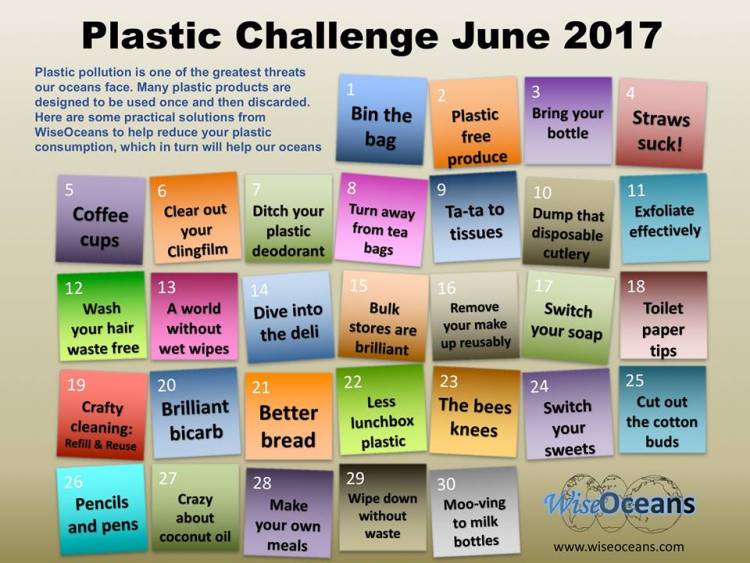
Rick-Ernest Bonnier of WiseOceans has the privilege of working and living on the island of Mauritius. While renowned for its natural beauty and famous as a honeymoon destination, Mauritius also has an ocean plastics problem. Making things worse for them is the lack of recycling infrastructure on the island, beach erosion, and high levels of coastal development. In response, WiseOceans runs a number of projects: focus groups with fishermen to gather information on sea turtle entanglements around Mauritius; outreach work with schools to increase awareness of ocean plastics and other marine-related conservation issues; and working with resorts to minimise the volume of their waste streams.
The Waste Takers – South Africa

Mary Phillips runs The Waste Takers in Port Elizabeth. Her organisation aims to empower low-income communities to earn money from plastic and other recyclables by acting as a buy-back centre and networking facilitator. The challenges posed by poverty and the lack of infrastructure, as well as funding difficulties, makes this work a labour of love. However, for Mary the impact is obvious: not only on the cleanliness of low-income areas, but on the lives of programme participants.
The Blue Crew – South Africa
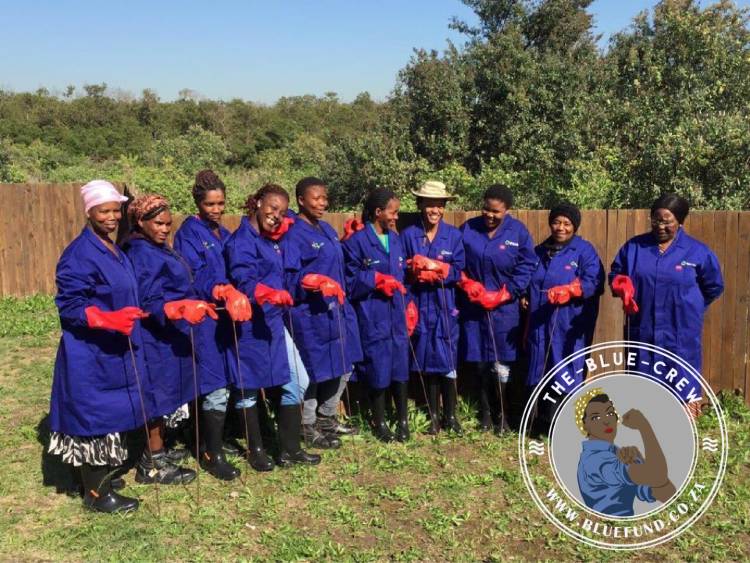
The Blue Crew was established under the Wildlands Wastepreneur model with the aim to create sustainable livelihoods while cleaning up some of Durban’s coastal waterways. The Blue Fund, through Wildlands’ recycling programme, pays by weight for the recyclable material, creating a sustainable model for the Blue Crew to grow and search for new areas to clean.
Petco, Polyco, PSPC and PlasticsSA – South Africa
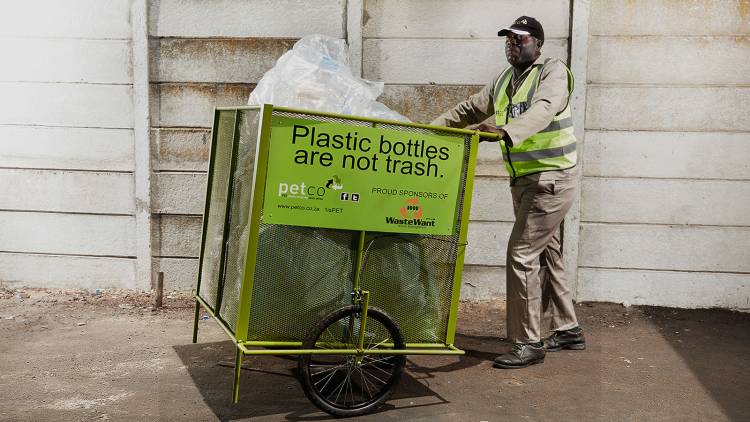
These non-profit organisations are working day and night to bring together industry players and retailers in the fight against ocean plastics. PETCO’s PET bottle recycling volumes have grown from 9 000 tons in 2005 to 90 000 tonnes in 2016; Polyco has just launched a pilot phase for the innovate mobile buy-back centre programme called Packa-ching; and PSPC is developing exciting end-markets using recycled polystyrene. Plastics SA is leading several projects around the country that cover a broad range of tactics: from cleanup projects to fishers' education programmes, net recycling efforts and plastic nurdle monitoring, as well as funding beach debris research and awarness programmes.
Most of the AMWC presentations can be found on the conference website.
Invitation to the African Marine Waste Network
If you want to take part in future research and discussions around marine waste in Africa, or if you would like to share resources and ideas with like-minded people, you are invited to join the African Marine Waste Network by visiting the website.